

Maddy summaryHRES 864 is a ceremonial resolution honoring U.S. veterans on Veterans Day 2025. It does not create new laws or policies but formally recognizes veterans' service and sacrifice, calling on all Americans to observe Veterans Day. The resolution references historical context about Veterans Day's origins (from Armistice Day to honoring all veterans) but contains no concrete policy changes. It directly addresses the general public, urging them to participate in the observance. As a non-binding resolution, it affects no specific individuals or groups through legislative action.
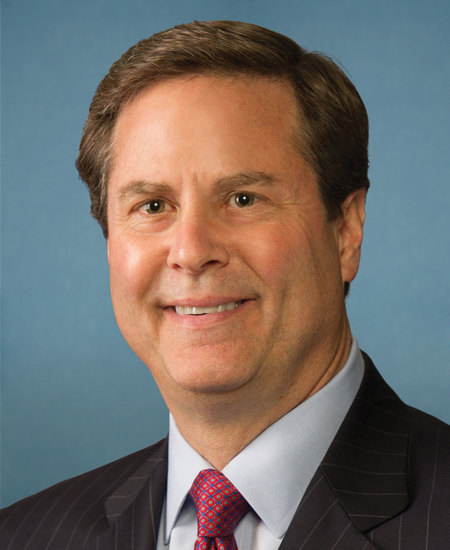
Rep. Donald Norcross
Sponsored bills
Maddy summaryThis bill creates the Historic Naval Ship Preservation Grant Program under the Department of the Interior to fund the physical preservation of decommissioned military vessels displayed at public sites like museums and memorials. It authorizes $5 million annually for competitive grants to state/local governments or nonprofits managing these "covered sites," covering vessel repairs, environmental protection, and education programs related to shipbuilding and submarine careers. The program directly supports organizations that maintain historic military vessels, ensuring public access to these educational resources. It does not alter existing vessel ownership or military operations but provides dedicated funding for their upkeep and educational use.
Maddy summaryThis bill, HR 5973, requires federal immigration enforcement personnel to follow strict limits on force use, including proportional application, mandatory de-escalation efforts, and prohibitions on equipment like flash bangs or rubber bullets except for specific public safety threats. It mandates body-worn and vehicle cameras for all operations, with footage retained for one year (three years for force incidents or complaints), and grants affected individuals the right to inspect recordings. The law also requires annual training on force policies, First Amendment compliance, and racial bias avoidance, while demanding detailed quarterly reports to Congress on force usage, assaults on agents, and equipment approvals. These provisions directly affect all federal immigration agents conducting enforcement actions, aiming to increase transparency and accountability during operations.
Maddy summaryThis resolution (HRES 841) is a symbolic statement expressing the U.S. House of Representatives' support for recognizing and commemorating the 1984 Sikh Genocide in India. It calls for official remembrance of the violence that killed over 30,000 Sikhs, destroyed communities, and involved state complicity, while urging accountability for perpetrators and rejecting denial of the event. The resolution does not create new laws or affect individuals directly but affirms the House's position on historical justice.
Maddy summaryThe American Energy Independence and Affordability Act extends multiple clean energy tax credits that were set to expire between 2025 and 2026. It specifically extends residential clean energy credits through 2034, clean electricity investment credits for wind and solar through 2032, and clean vehicle credits for electric vehicles through 2032. The bill also reinstates special rates for sustainable aviation fuel and modifies requirements for energy-efficient home improvements. These provisions directly affect homeowners installing solar panels, businesses investing in clean energy infrastructure, and manufacturers producing clean energy equipment.
Maddy summaryHRES 826 is a symbolic resolution supporting the designation of October 20-24, 2025, as "Careers in Energy Week." It raises awareness about energy sector job opportunities - spanning traditional and renewable energy fields, technical roles, and STEM education - to encourage students and young professionals to pursue these careers. The resolution does not create new laws or funding but urges educational institutions, industry groups, and communities to host events during this week. It directly affects public awareness of energy workforce pathways, not specific individuals or regulations.
Maddy summaryThis bill establishes the New York-New Jersey Watershed Restoration Program to coordinate and fund habitat restoration and water quality improvements across the shared watershed region. It creates a competitive grant program providing federal matching funds (up to 90% for small/rural/disadvantaged communities) to state/local governments, nonprofits, and tribes for projects advancing habitat restoration, climate resilience, and public access. The program prioritizes communities facing environmental injustice and requires coordination with existing regional conservation plans like the Hudson River Estuary Program. Funding of $20 million annually (2026-2031) will support these activities, with 75% dedicated to the grant program and all projects supplementing existing conservation efforts.
Maddy summaryThis bill makes federal funding for the WIC program mandatory by requiring Congress to appropriate necessary funds annually for fiscal year 2026 and each subsequent year. It removes discretionary language from WIC funding requirements and clarifies that eligible participants must be served without participation limits. The bill directly affects low-income pregnant women, new mothers, and young children who rely on WIC for nutrition assistance, ensuring continued access to critical food, health, and education services.
Maddy summaryHRES 795 is a non-binding resolution condemning Hamas for the October 7, 2023, attacks that killed over 1,200 people, took 251 hostages (including Americans), and involved sexual violence. It demands Hamas immediately surrender and release all remaining hostages - specifically noting 48 people still held, including two U.S. citizens. The resolution also affirms Israel’s right to self-defense, calls for humanitarian aid to reach Palestinians, and condemns global antisemitism following the attacks. As a symbolic congressional statement, it does not create new laws or alter policies.
Maddy summaryHR 5705 requires the federal government to reimburse state agencies for funds they use to maintain participation in the WIC program during a government shutdown. It directly affects states that cover WIC costs using their own money when federal funding lapses. The bill establishes a process where states can seek reimbursement from the federal government after the shutdown ends. This ensures states aren’t burdened with costs for a federal funding gap that impacts nutrition assistance for women, infants, and children.