

Maddy summaryHR 4477, the PRICE Act, creates a new federal grant program to improve affordable manufactured housing communities. It provides funds for infrastructure, repairs, safety upgrades, and community services in communities that are affordable to low- and moderate-income residents (at or below 120% of area median income) and either owned by residents or committed to remaining affordable. Eligible projects include replacing homes (excluding pre-1976 units), weatherization, accessibility modifications, and resident services like eviction prevention. The program prioritizes projects that preserve long-term affordability for low-income residents and is open to community groups, local governments, tribes, and nonprofit housing organizations.
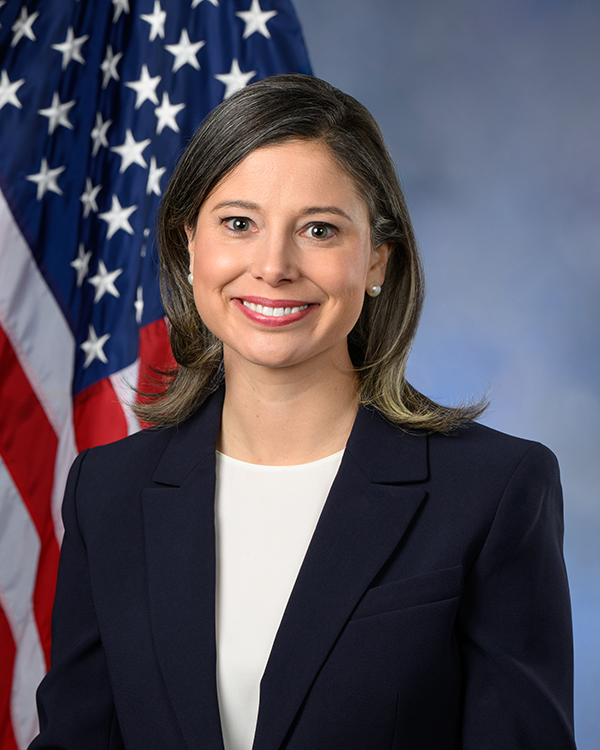
Rep. Maggie Goodlander
Sponsored bills
Maddy summaryThe Palliative Care and Hospice Education and Training Act creates federal funding programs to improve training for health professionals in palliative and hospice care. It authorizes $15 million annually for 2026-2030 to support grants for education programs that train doctors, nurses, social workers, and other health professionals in palliative care. The bill prioritizes programs serving rural or medically underserved areas, pediatric patients, and racial/ethnic minority populations. It establishes specific training requirements including interprofessional team-based care, patient and family engagement, and integration with primary care settings. The legislation also includes provisions to disseminate information about palliative care benefits to patients, families, and health professionals.
Maddy summaryThe Child Care for Working Families Act creates a federal program to provide affordable, high-quality child care for working families with children under age 6. It would provide direct child care assistance through certificates or grants to parents, with no copayment required for families at or below 85% of state median income. The program requires states to implement quality standards for child care providers, including a tiered quality system and minimum wage requirements for staff (at least a living wage equivalent to elementary educators). The bill appropriates $20 billion for the program over five years, with additional funding for quality improvement initiatives and universal preschool services.
Maddy summaryHR 4382 authorizes the U.S. Mint to produce commemorative coins for the 2028 Los Angeles Olympics/Paralympics and 2034 Salt Lake City Winter Olympics/Paralympics. It specifies gold, silver, and half-dollar coin designs with defined mintage limits (e.g., up to 100,000 $5 gold coins for each event), all bearing inscriptions like "2028" or "2034" and standard coin features. A surcharge ($5-$50 per coin) is added to sales, with all funds directed to the respective Olympic committees to support event hosting and legacy programs like youth sports. The bill ensures no net cost to the government by requiring surcharge revenues to cover all design, production, and marketing expenses before funds are disbursed.
Maddy summaryThe PBM Reform Act of 2025 aims to increase transparency and fairness in pharmacy benefit manager (PBM) operations within Medicare Part D and Medicaid programs. The bill requires Medicare Part D plans to allow any pharmacy meeting standard terms to join their networks, establishes "essential retail pharmacies" in underserved areas (with limited pharmacy access), and mandates detailed reporting on drug pricing, rebates, and reimbursement rates. It creates a process for pharmacies to report PBM violations of reasonable contract terms and prohibits "spread pricing" in Medicaid, where PBMs retain the difference between what they pay pharmacies and what they charge plans. These provisions aim to improve pharmacy access for Medicare beneficiaries and ensure fairer reimbursement practices for pharmacies.
Maddy summaryHR 4329, the Building Civic Bridges Act, creates an Office of Civic Bridgebuilding within the Corporation for National and Community Service to support projects reducing community divisions. It establishes a 3-year pilot grant program funding nonprofits, community groups, and schools to run projects that foster respect across diverse communities, address unmet needs like health or safety concerns, and improve social cohesion. Grants require projects to use research-based approaches, engage polarized communities, ensure participant safety, and track outcomes using standardized criteria. The program is funded exclusively through existing donations (not new federal funds) and mandates consultation with diverse community leaders and researchers. The Office will also compile research on civic bridgebuilding best practices for public access.
Maddy summaryThe Expanding Access to Mental Health Services in Schools Act of 2025 creates a federal grant program to help high-need schools hire and retain mental health professionals like counselors, psychologists, and social workers. It targets schools in the top 15% of need (based on student poverty or counts) that lack required staff ratios, such as one counselor per 250 students. Grants fund recruitment incentives (e.g., student loan repayment), retention programs, and evidence-based mental health services, with recipients required to contribute 25% of costs from non-federal funds. Schools must report annually on staff numbers, student-to-staff ratios, and retention rates to track progress toward improved mental health access.
Maddy summaryThis bill clarifies the Holocaust Expropriated Art Recovery Act of 2016 by preventing courts from dismissing claims based on time-related defenses (like laches or adverse possession) or other non-merits arguments (such as the act of state doctrine or forum non-conveniens). It specifically bars these defenses for claims seeking recovery of art looted by Nazis during World War II, ensuring cases are resolved on their merits. The bill applies to all pending cases and new claims filed after enactment, regardless of the victim's nationality. It strengthens the original law's purpose of enabling victims' heirs to pursue rightful recovery without procedural barriers.
Maddy summaryThe No Secret Police Act of 2025 requires U.S. Immigration and Customs Enforcement (ICE) and other Department of Homeland Security officers working on border security or immigration enforcement to visibly display their official badges or uniforms and provide identification during detentions or arrests. It prohibits officers from wearing face coverings that conceal their face during these interactions. The bill also mandates that the Department report to Congress about tactical gear policies and research technology to improve badge visibility in different conditions like weather or lighting. These changes aim to increase transparency in immigration enforcement encounters.
Maddy summaryThe CONNECT for Health Act of 2025 expands Medicare telehealth coverage by removing geographic restrictions that limited where patients could receive care, expanding the types of health care providers who can offer telehealth services, and eliminating the requirement for an in-person visit before receiving telemental health services. The bill includes specific provisions to support telehealth use for Native American health facilities, rural health clinics, and Federally Qualified Health Centers. It requires the Centers for Medicare & Medicaid Services to collect and publish data on telehealth usage and impacts, and to develop resources to improve accessibility for people with disabilities and limited English proficiency. Program integrity measures are added to monitor telehealth billing practices and prevent fraud while maintaining coverage for telehealth services during public health emergencies.