

Ensuring Women's Right to Reproductive Freedom Act This bill prohibits anyone acting under state law from interfering with a person's ability to access out-of-state abortion services. ( Abortion services includes the use of any drugs that are approved to terminate pregnancies and any health care services related to an abortion, whether or not provided at the same time or on the same day.) Specifically, the bill prohibits any person acting under state law from preventing, restricting, impeding, or retaliating against health care providers who provide legal abortion services to out-of-state residents, any person or entity who helps health care providers to provide such services, any person who travels to another state to obtain such services, any person or entity who helps another person travel to another state to obtain such services, or the movement in interstate commerce of drugs that are approved to terminate pregnancies. The Department of Justice may enforce this bill through civil actions; the bill also establishes a private right of action for violations.
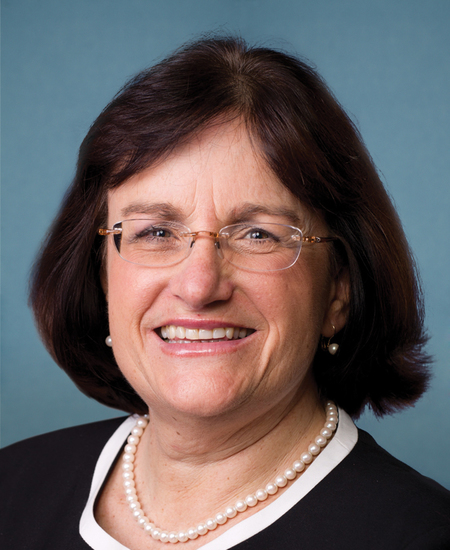
Rep. Ann M. Kuster
Sponsored bills
This bill requires the U.S. Army Corps of Engineers to (1) assess opportunities to increase hydroelectric power at its projects (e.g, dams and locks), and (2) create a new program manager position for nonfederal hydroelectric power development.
Health Share Transparency Act of 2022 This bill requires a health care sharing ministry (HCSM) to disclose specific information to individuals enrolling in the HCSM and to designated government agencies. (An HCSM is a faith-based organization with members who share a common set of ethical or religious beliefs and who contribute regular payments to cover the medical expenses of other members.) The bill requires an HCSM to disclose to an enrolling individual information such as (1) the average out-of-pocket expenses an enrollee incurs, (2) how to file a complaint or appeal a coverage determination, and (3) a list of the HCSM's non-reimbursable items and services. The bill also requires that an HCSM submit annual financial disclosures and program information to the Department of Health and Human Services (HHS), the Internal Revenue Service, and the Consumer Financial Protection Bureau. HHS is required to publicly post this information. Additionally, health insurance brokers contracting with an HCSM are required to provide an enrolling individual with information about health insurance coverage that is available through Medicare, Medicaid, or a health insurance exchange, as appropriate. HHS may apply civil monetary penalties to an HCSM that fails to comply with the bill's requirements. Further, the bill requires the Federal Trade Commission to publicly disclose information about consumer complaints regarding HCSMs.
LGBTQ I+ Data Inclusion Act This bill addresses federal data collection of voluntary, self-disclosed information on sexual orientation, gender identity, and variations in sex characteristics. Specifically, the bill requires federal agencies that collect information through a survey for statistical purposes that includes demographic data (where subjects self-report information or a proxy provides information about the subject or responds for all persons in a household) to review existing data sets to determine which data sets do not include information about sexual orientation, gender identity, and variations in sex characteristics. Such agencies must assess needed changes in survey methods related to asking questions on such matters. Agencies that publish reports relying on survey demographic data must include information on sexual orientation, gender identity, and variations in sex characteristics. Agencies may waive this publication requirement on a case-by-case basis if the confidentiality of the information cannot be maintained or if adding such information to the survey would impair the agency's ability to preserve the utility, accuracy, or objectivity of the survey while also generating relevant evidence about the LGBTQI+ community. The Government Accountability Office must report to Congress on the implementation of this bill's requirements by agencies.
This resolution expresses support for the designation of Journeyman Lineworkers Recognition Day. (A journeyman lineworker is a person who builds and maintains electrical power systems.)
This bill bars state or local officials from prohibiting or restricting the possession, sale, purchase, transportation, or use of contraceptives (i.e., drugs or devices that are primarily used to prevent pregnancy). Individuals or the Department of Justice may bring civil actions for violations of this bill.
This bill allows changes to be made to medical devices without the need for supplemental applications or premarket notifications if the changes are made in accordance with a predetermined change control plan.
Emergency Advance Refill Notification Act of 2022 This bill requires private health insurance plans that cover prescription drugs to notify plan holders about the plan's policy concerning advance drug refills in response to a national or public health emergency. Specifically, the plan must notify plan holders in emergency areas whether the plan is waiving time limits on authorized prescription refills and, if so, the process for obtaining an early refill. Plans must issue such notification within five days of an emergency being declared. Concerning the public health emergency declared in response to COVID-19, a plan must provide initial notification of its waiver policy not later than five days after this bill is enacted.
Break Free From Plastic Pollution Act of 2021 This bill sets forth requirements and incentives to reduce the production of a variety of products and materials, including plastics, and increase efforts to collect, recycle, or compost products and materials. The bill makes certain producers of products (e.g., packaging, paper, single-use products, beverage containers, or food service products) fiscally responsible for collecting, managing, and recycling or composting the products after consumer use. In addition, the bill establishes (1) minimum percentages of products that must be reused, recycled, or composted; and (2) an increasing percentage of recycled content that must be contained in beverage containers. Beginning on January 1, 2023, the bill phases out a variety of single-use products, such as plastic utensils. The bill also sets forth provisions to encourage the reduction of single-use products, including by establishing programs to refund consumers for returning beverage containers and by establishing a tax on carryout bags. The bill creates a temporary moratorium on new or expanded permits for certain facilities that manufacture plastics until regulations are updated to address pollution from the facilities. The Environmental Protection Agency (EPA) must publish guidelines for a national standardized labeling system for recycling and composting receptacles. Producers must include labels on their products that are easy to read and indicate whether the products are recyclable, compostable, or reusable. The EPA must also ensure that certain clothes washers have filtration units as required by this bill. Finally, the bill establishes limitations on the export of plastic waste to other countries.
Health Equity and Accountability Act of 2022 This bill directs the Department of Health and Human Services (HHS) and others to undertake efforts to reduce health disparities. For example, the bill (1) requires more detailed reporting of demographic and health disparities data, including related to public health emergencies; (2) directs certain components of HHS to support health workforce diversity; and (3) increases access to culturally and linguistically appropriate health care. The bill also modifies eligibility and other requirements for Medicare, Medicaid, private health insurance, nutrition assistance, and other programs to reduce health disparities among vulnerable populations. The bill includes specific provisions with respect to noncitizens; maternal, infant, and child health; mental and behavioral health; specified conditions that disproportionately affect racial and ethnic minority groups, such as certain cancers, HIV/AIDS, kidney disease, and diabetes; investments in communities facing health and other inequities; and nondiscrimination in the provision of services in federally supported health programs. Additionally, the bill (1) revises health information technology programs to address health disparities, and (2) supports health impact assessments and other efforts pertaining to environmental justice and social determinants of health (i.e., nonmedical factors that influence health outcomes, such as income and educational attainment). The bill also requires various studies and reports on issues related to health care and health disparities, including a report by the Government Accountability Office on health workforce diversity.