

This resolution expresses the sense of the House of Representatives that (1) BridgeUSA exchange programs are vital to the economy and national interests of the United States, (2) BridgeUSA should continue with robust support from the Department of State to further those national interests, and (3) the processing of J-1 BridgeUSA visas should be prioritized at U.S. Embassies and consulates to ensure the program's public diplomacy goals are met. It also expresses that Congress and implementing partners should be consulted on any major changes to BridgeUSA programs given the significant national security and economic impacts of the program.
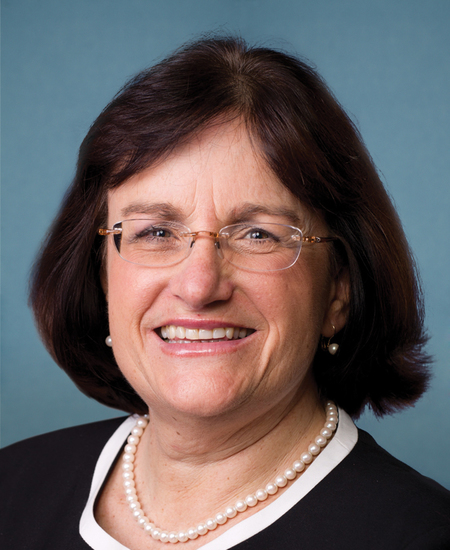
Rep. Ann M. Kuster
Sponsored bills
This resolution expresses the sense of the House of Representatives that the proposed constitutional amendment known as the Equal Rights Amendment has been duly proposed by Congress and ratified by the states and is therefore valid as the Twenty-Eighth Amendment to the Constitution. (The proposed amendment prohibits the United States or any state from denying or abridging equal rights under the law on account of sex.)
This resolution expresses the sense of the House of Representatives that (1) lesbian, gay, bisexual, transgender, queer, intersex, and asexual (LGBTQIA+) rights are human rights and protected by the U.S. Constitution; (2) LGBTQIA+ Pride Month should be celebrated; and (3) all Americans should be treated equally regardless of sexual orientation or gender identity.
Visitor Visa Wait Time Reduction Act This bill requires the Department of State to report to Congress on the average waiting time to get a visitor visa interview at each diplomatic or consular post. For each post where the average waiting time is longer than 300 days, the State Department must temporarily reassign personnel at that post to shorten the waiting time.
Saving Abortion Facilities from Extremists for Patients Act or the SAFE for Patients Act This bill establishes a civil action for damaging or destroying a reproductive health care facility or for harassing, injuring, or intimidating a person who provides or obtains reproductive health services.
Providing Resources, Officers, and Technology to Eradicate Cyber Threats to Our Children Act of 2022 or the PROTECT Our Children Act of 2022 This bill reauthorizes through FY2024 the National Strategy for Child Exploitation Prevention and Interdiction.
Governing Unaccredited Representatives Defrauding VA Benefits Act or the GUARD VA Benefits Act This bill imposes criminal penalties and/or fines on individuals for directly or indirectly soliciting, contracting for, charging, or receiving any unauthorized fee or compensation with respect to the preparation, presentation, or prosecution of any claim for Department of Veterans Affairs benefits. The attempted commission of such offenses is also punishable by fine or imprisonment.
Law Enforcement De-Escalation Training Act of 2022 This bill directs the Department of Justice (DOJ) to develop scenario-based training curricula (or identify existing curricula) that includes topics such as alternatives to the use of force, de-escalation tactics, and safely responding to an individual experiencing a mental, behavioral health, or suicidal crisis. The bill also directs DOJ to make grants to states for costs associated with providing the training to law enforcement officers or mental health professionals.
Let Doctors Provide Reproductive Health Care Act This bill sets out protections for and establishes programs to support health care providers (and those who assist such providers) who offer reproductive health care services that are lawful in the state where the services are provided. Reproductive health care services refer to abortion services; contraceptive services; in vitro fertilization; or other reproductive care, education, and counseling that is provided (1) at a health care site or via telehealth, and (2) in a medically accurate manner. The bill prohibits individuals, entities, and states from preventing, restricting, or otherwise interfering with the provision of lawful reproductive health care services by health care providers. The Department of Justice, individuals, or providers may bring a lawsuit to enforce this bill, and states are not immune from suits for violations. Furthermore, states may not use federal funds to pursue legal cases or similar proceedings (e.g., adverse licensing proceedings) against health care providers, individuals, or entities that offer or assist with lawful reproductive health care services. Additionally, medical malpractice insurers may not deny coverage to or sue a health care provider because the provider offers or assists with lawful reproductive health care services. The bill also funds grants to assist health care providers who offer or refer for abortion services and face legal issues relating to their provision of reproductive health care services with legal matters and improving security.
Protecting Families from Fertility Fraud Act of 2022 This bill establishes a new federal criminal offense for knowingly misrepresenting the nature or source of DNA used in assisted reproductive technology or assisted insemination. The term assisted reproductive technology includes any treatment or procedure that involves the handling of human oocytes or embryos, such as in vitro fertilization, gamete intrafallopian transfer, and zygote intrafallopian transfer. The term assisted insemination includes any procedure that involves the handling of sperm including intrauterine insemination. A violation is subject to a fine, a prison term of up to 10 years, or both. Additionally, the bill makes the violation a predicate offense (i.e., an underlying offense) for prosecutions under the federal racketeering statute.