

Maddy summaryHCONRES 22 is a symbolic resolution recognizing the persistent gender pay gap in the U.S., documenting that women earn significantly less than men across racial groups (e.g., Black women earn 67 cents for every dollar earned by White men). It highlights the economic impact of this disparity, noting women lose over $958 billion annually in wages and face barriers like occupational segregation and workplace harassment. The resolution does not create new laws or policies but formally acknowledges the issue and reaffirms Congress’s commitment to addressing the gap. It references specific Equal Pay Days (e.g., March 14 for all women) to underscore the time women must work to earn what men did the previous year.
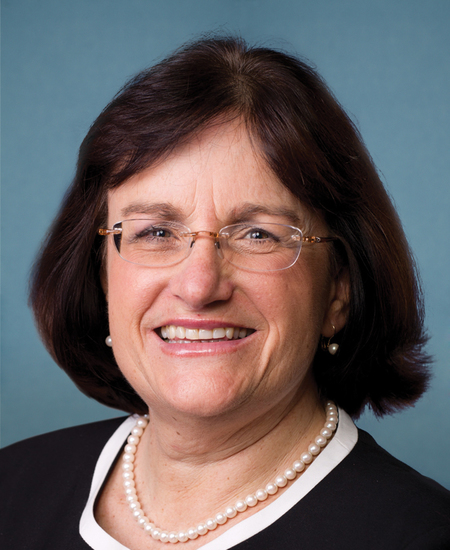
Rep. Ann M. Kuster
Sponsored bills
Maddy summaryHR 1478 requires federal firearm dealers to implement physical security measures, including locked cabinets, security systems, and video surveillance, to prevent gun thefts. The bill mandates quarterly inventory checks, extends background check record retention from 24 hours to 90 days, and repeals restrictions that prevented the ATF from disclosing crime gun trace data. It increases penalties for violations, including fines up to $20,000 and license suspension or revocation for repeated failures. The bill directly affects all federally licensed firearm dealers, manufacturers, and importers by holding them accountable for security failures and recordkeeping. This legislation aims to reduce gun trafficking by strengthening enforcement and transparency in the firearm industry.
Maddy summaryThis bill establishes a federal grant program to assist farmers and agricultural communities affected by PFAS (contaminants in soil and water). Eligible states, tribes, or local governments can apply for funds if their agricultural land or water sources contain unsafe PFAS levels, with 30% of annual funding reserved for smaller jurisdictions. Grants can be used for direct compensation to farmers for contaminated land/products, transitioning to new production systems, health monitoring, research on PFAS impacts, and developing remediation strategies. The program authorizes $500 million over five years (2024-2028) and requires annual reports on fund usage and community needs.
Maddy summaryHR 1269, the Healthy Meals Help Kids Learn Act of 2023, increases federal funding for school meals. It adds 45 cents per lunch and 28 cents per breakfast served by school food authorities (like school districts) starting July 1, 2023, covering all meal types (free, reduced-price, and full-price). The extra payments are adjusted annually beginning July 1, 2024, based on inflation. This directly affects schools serving meals under the National School Lunch and Child Nutrition programs, providing them with additional funding to support meal costs.
This resolution supports the goals of a feminist foreign policy (i.e., a foreign policy that requires analysis of and challenges to power structures and inequalities that are based on systems of discrimination). The resolution also supports the adoption of policies that promote gender equity and the participation of women and girls in public life.
Improving Child Care for Working Families Act of 2023 This bill increases the limitation on the exclusion from employee gross income for employer-paid dependent care assistance from $5,000 to $10,500.
Maddy summaryHR 1387, the Civics Learning Act of 2023, amends the Elementary and Secondary Education Act to strengthen civics education in public schools. It requires states to prioritize innovative civics teaching - including lessons on the Constitution, civil rights history, and community engagement - and allocates $70 million for grants to schools, with specific funding targets (30% for elementary, 30% for middle, max 40% for high school). The bill directly affects public elementary, middle, and high schools, particularly those serving high-need communities, by mandating new curriculum activities like service learning, student governance participation, and after-school programs. Grants must include reporting on how schools meet civics education goals, with the Department of Education required to submit annual progress reports to Congress.
Maddy summaryThis bill requires student loan lenders to provide clear, plain-language disclosures to borrowers before loan disbursement and monthly throughout the loan term. Before disbursing a loan, lenders must give a written statement showing the loan's principal, interest rate, estimated repayment timeline, total projected cost (including fees), and how existing loans affect the borrower's total debt. Monthly statements must detail current balances, interest rates, payments made, interest accrued, and projections of future payments, including explanations of how interest capitalization increases long-term costs. These disclosures directly affect all borrowers of federal student loans and the lenders/servicers managing those loans, aiming to improve transparency about loan terms and costs.
Maddy summaryHR 1369, the "Peace on the Korean Peninsula Act," directs the U.S. State Department to review restrictions on Americans traveling to North Korea, particularly for humanitarian reasons like family reunions (affecting approximately 100,000 Americans with relatives there). It also requires the State Department to create a diplomatic roadmap for ending the Korean War through formal negotiations with North and South Korea, including establishing liaison offices. The bill mandates reports to Congress within 180 days detailing these reviews and strategies, without changing existing military deployments or U.S. policy on North Korea's nuclear program. It focuses on diplomatic engagement to replace the 1953 armistice with a permanent peace agreement.
Advancing Safe Medications for Moms and Babies Act of 2023 This bill establishes programs and requirements to support the inclusion of pregnant and lactating women in clinical research. For example, the bill requires the Department of Health and Human Services to align the Food and Drug Administration's regulations for human subjects in clinical trials with other departmental regulations for pregnant women in clinical research. The bill also establishes (1) a national online clearinghouse with information about clinical trials that enroll pregnant and lactating women, (2) an advisory committee to help coordinate federal activities with respect to clinical research for pregnant and lactating women, and (3) an educational campaign on the importance of including pregnant and lactating women in clinical research. The National Institutes of Health must also prioritize certain research projects on new and existing medications for pregnant and lactating women based on need, feasibility, and the potential impact of the research.