

Maddy summaryThe SAFE in Recovery Act protects pregnant and postpartum individuals with substance use disorders by prohibiting toxicology testing without consent and preventing child welfare investigations based solely on prescribed medications for treatment. It establishes a Federal interagency task force to coordinate services across multiple departments and allocates $500 million for community health centers to expand behavioral health services. The bill also provides $60 million annually for Head Start programs to support children from families impacted by substance use disorder. These provisions aim to improve access to care while preventing unnecessary family separations.
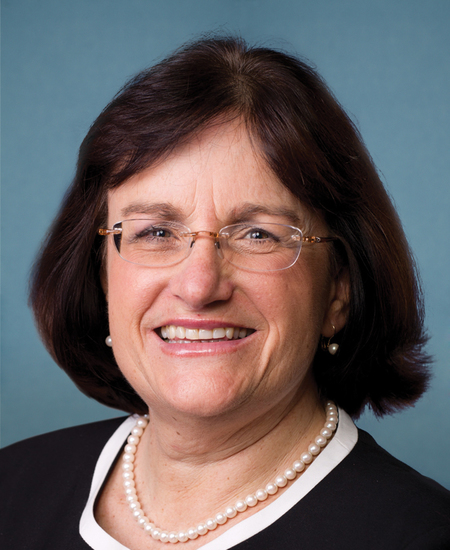
Rep. Ann M. Kuster
Sponsored bills
Maddy summaryHR 5819, the COMPLETE Care Act, incentivizes Medicare primary care providers to integrate behavioral health services by increasing payments for specific services (like mental health and substance use disorder support) during 2025-2027. Providers using designated HCPCS codes for integrated care would receive 125-175% of standard payment rates, with the percentage declining annually. The bill also requires these providers to report on integration quality measures and mandates technical assistance for practices adopting integrated models, funded through new appropriations for 2024-2027. It directly affects Medicare-participating primary care practices serving beneficiaries needing mental health or substance use services.
Maddy summaryThis bill makes permanent Medicare coverage for telehealth services provided by Federally Qualified Health Centers (FQHCs) and Rural Health Clinics (RHCs), including audio-only visits. It directly affects Medicare beneficiaries who use these services and the FQHCs/RHCs delivering them by removing location restrictions - allowing telehealth visits to occur regardless of the patient's geographic location. Key provisions include permanently covering audio-only telehealth (previously temporary), treating telehealth visits as equivalent to in-person visits for payment, and ensuring costs for telehealth are included in FQHC/RHC payment calculations. These changes simplify access to telehealth for rural and underserved communities while maintaining consistent Medicare reimbursement for providers.
Maddy summaryThe In Good Standing Adoption Agencies Act of 2023 requires states to annually submit to the federal government a list of child placement agencies that are licensed, in good standing with the state, and federally tax-exempt (under Section 501(c)(3)). The federal government will compile and maintain a public list of these agencies and report to Congress on any licensed agency not included, along with any state disciplinary actions taken against them. States that fail to submit the required list for a fiscal year will lose eligibility for federal adoption and legal guardianship incentive payments. This bill directly affects state child welfare agencies and the adoption agencies they regulate, with no change to existing agency licensing standards.
Maddy summaryThis bill requires Medicare Part D drug plans (which cover seniors' prescription drugs) to include all cheaper generic drugs and at least two cheaper biosimilars in a "preferred" formulary position starting in 2024. Specifically, plans must list these lower-cost options on a tier with lower patient costs than the original brand-name drug, and cannot impose stricter access rules (like prior authorization) on them compared to the brand-name drug. It directly affects Medicare Part D sponsors and seniors enrolled in these plans by mandating more affordable drug options. The key change is requiring formulary placement and cost-sharing for specific lower-cost generics and biosimilars, without restricting patient access to them relative to brand-name alternatives.
Maddy summaryThe HANDS Act requires Medicare, Medicaid, and TRICARE to cover naloxone (an opioid overdose reversal drug) with no out-of-pocket costs when distributed by hospitals to patients identified as at-risk for overdose. It applies to individuals receiving care in hospital emergency departments, inpatient settings, or ambulatory surgical centers, specifically at the time of discharge or when leaving the facility. The bill mandates that providers must determine a patient's overdose risk before distributing naloxone, along with administration instructions. This policy change eliminates cost-sharing barriers for this specific naloxone distribution method, aiming to increase access for vulnerable patients.
Maddy summaryHR 5393 requires Medicare Part D plans and Medicare Advantage plans with Part D to use standardized, evidence-based performance measures when determining financial incentives or fees for pharmacies. These measures must be tailored to pharmacy types (like retail, mail order, or specialty) and will be maintained in a public list by the government. The bill also mandates that plans provide pharmacies with clear, standardized payment information for each claim, including fees and discounts. Additionally, the government must conduct a study on current practices and report findings to Congress by 2025.
Maddy summaryThis bill prevents Medicare from imposing stricter supervision requirements for outpatient physical therapy and occupational therapy than those established by state law, requiring Medicare to follow existing state regulations instead. It takes effect January 1, 2024, directly affecting Medicare-covered therapy services in all states. Additionally, it mandates a Government Accountability Office study by December 2024 to analyze how Medicare’s 15% payment differential for therapy assistants impacts access to care in rural and underserved areas. The study will examine this payment policy across all Medicare Part B settings.
Maddy summaryThe 9-8-8 Implementation Act of 2023 establishes a national mental health crisis response system centered around the 9-8-8 suicide prevention hotline. It provides $441 million for call center technology, staffing, and operations, and requires Medicare, Medicaid, and private health plans to cover crisis response services including mobile crisis teams and crisis stabilization facilities. The bill also mandates a national suicide prevention media campaign and creates protocols for 9-1-1 dispatchers to better respond to mental health crises. These provisions aim to improve access to mental health crisis care across the United States.
Maddy summaryHR 4752 (the CHANGE Act of 2023) requires Medicare to include standardized cognitive impairment screening during annual wellness visits and initial preventive physical exams for beneficiaries starting in 2024. It mandates doctors use National Institute on Aging-approved tools to detect memory issues and document results in medical records. This directly affects Medicare patients aged 65+ and their healthcare providers, aiming to enable earlier Alzheimer’s diagnosis and care planning. The bill focuses on making routine screenings a standard part of Medicare-covered checkups, not on funding or new programs. It does not alter existing Medicare benefits but adds a specific screening requirement to two existing service categories.