

Maddy summaryHJRES 152 is a congressional resolution seeking to block an Environmental Protection Agency (EPA) rule on managing coal ash waste from power plants, specifically for older disposal ponds (legacy CCR surface impoundments). The rule, published on May 8, 2024, established requirements for electric utilities to handle coal ash, including safety standards for existing disposal sites. If passed, this resolution would prevent the EPA rule from taking effect, removing the compliance requirements for utilities. This directly affects electric utilities that manage coal ash and the EPA's regulatory authority over waste disposal practices.
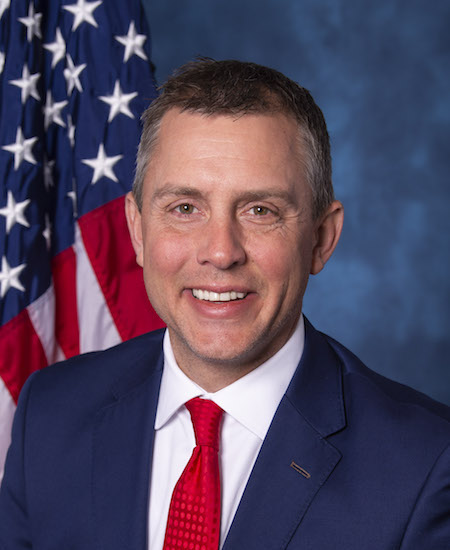
Rep. Kelly Armstrong
Sponsored bills
Maddy summaryHJRES 150 is a joint resolution seeking congressional disapproval of an Environmental Protection Agency (EPA) rule that established updated national emission standards for hazardous air pollutants from coal and oil-fired power plants. The resolution targets the EPA's specific rule published on May 7, 2024, which required these facilities to review residual risks and technologies to reduce emissions. If enacted, the resolution would nullify the rule, preventing the new standards from taking effect and keeping current regulations in place for power plants. This procedural bill uses the Congressional Review Act (Chapter 8 of Title 5, U.S. Code) to block the EPA rule without altering existing environmental laws.
Maddy summaryThis resolution (HRES 1252) honors emergency medical services (EMS) personnel across the United States for their critical work. It recognizes their 24/7 service in rural and underserved areas, their role in stabilizing and transporting patients during emergencies, and their dedication to public health care. The resolution specifically expresses appreciation for EMS workers during Emergency Medical Services Week (May 19-25, 2024). As a ceremonial resolution, it contains no new policies, funding, or legal requirements - only symbolic recognition of their contributions.
Maddy summaryThis bill (HR 8433) requires the National Institutes of Health (NIH) to select grant and award recipients based solely on the scientific merit and research benefits of proposals, prohibiting the use of mandatory diversity statements as a condition for funding. It directly affects researchers and institutions applying for NIH grants by banning requirements for applicants to submit statements about their race, gender, diversity experiences, or views on social justice topics. The bill defines "diversity statements" broadly to include any documentation discussing race, gender identity, anti-racism, or related concepts as a qualification. This policy change eliminates a specific application requirement for NIH funding, though it allows NIH to still collect demographic data for research purposes.
Maddy summaryHJRES 154 is a resolution seeking to block a Bureau of Land Management (BLM) rule that would have updated the process for leasing federal lands for oil and gas extraction. The rule, published in the Federal Register on April 23, 2024, specifically addressed "Fluid Mineral Leases and Leasing Process" (89 Fed. Reg. 30916). If passed, this resolution would cancel the rule under the Congressional Review Act, preventing it from taking effect. This action would directly impact the BLM's regulatory authority and oil and gas companies operating on federal lands.
Maddy summaryThis bill amends the 2022 Camp Lejeune Justice Act to clarify and correct technical details. It updates eligibility requirements for claimants (requiring 30 days at Camp Lejeune and defining "latent harm" instead of "latent disease"), clarifies court jurisdiction for cases, and specifies attorney fee structures (20% pre-litigation, 25% post-litigation). The changes directly affect individuals who developed health issues due to contaminated water at Camp Lejeune, streamlining their legal process under the existing 2022 law.
Maddy summaryHJRES 151 is a congressional disapproval resolution targeting an Environmental Protection Agency (EPA) rule that would have set new water pollution standards for steam electric power plants, including coal and nuclear facilities. The rule, published in the Federal Register on May 9, 2024, aimed to limit pollutants discharged into waterways from these power plants. If passed, this resolution would block the rule from taking effect under the Congressional Review Act. It directly affects steam electric power plants by preventing the implementation of these new environmental requirements.
Maddy summaryThis bill requires the U.S. Department of Defense and State Department to immediately deliver all previously approved military equipment and services to Israel within 15 days, reversing any pauses on arms transfers. It prohibits using federal funds to withhold, halt, or cancel defense article deliveries to Israel and mandates that unobligated security assistance funds for Israel must be spent by the end of 30 days. The bill also requires monthly reports to Congress detailing all security assistance provided to Israel since October 7, 2023, including specific items delivered and funding sources. The law directly affects U.S. agencies responsible for military aid and Israel as the recipient of the security assistance.
Maddy summaryThis bill amends the Law Enforcement Officers Safety Act (LEOSA) to expand where current and retired law enforcement officers can carry concealed firearms. It specifically allows qualified officers to carry in Federal facilities like post offices and courthouses (previously restricted), clarifies they may carry on public property and transportation, and updates firearms training requirements to accept certification from any state-certified instructor. The key change requires officers to meet recent firearms training standards (using flexible state-based criteria), rather than relying solely on their former agency's standards. This directly affects retired officers seeking to carry in more public spaces and federal buildings without needing prior agency certification.
Maddy summaryHR 3950, the TICKET Act, requires ticket sellers (including primary issuers and secondary markets like StubHub) to clearly show the total price and itemized fees (like service or delivery charges) before a customer selects a ticket. It also mandates sellers without actual ticket possession to disclose this upfront, preventing "speculative" sales. The bill applies to all event tickets sold online or through marketing, ensuring consumers see the full cost - including base price and all fees - before purchasing. The Federal Trade Commission enforces these rules under existing laws, treating violations as deceptive practices. This directly affects ticketing companies and secondary sellers by eliminating hidden fees and misleading sales tactics.