

Maddy summaryHR 330, the Title X Abortion Provider Prohibition Act, prohibits federal funding under the Title X family planning program for clinics that perform or fund abortions, except in cases of rape, incest, or when a physician certifies a life-threatening condition. It requires clinics receiving Title X funds to certify they do not provide or fund abortions (with the specified exceptions), and hospitals are exempt if they don't fund non-hospital abortion providers. The bill mandates annual reports to Congress listing all funded clinics, the number of abortions performed under exceptions (including rape/incest cases), and the certification dates for each clinic. This directly affects Title X-funded clinics nationwide that provide abortion services or fund such services, altering their eligibility for federal funding. The law aims to restrict federal support for abortion access within the Title X program while maintaining limited exceptions.
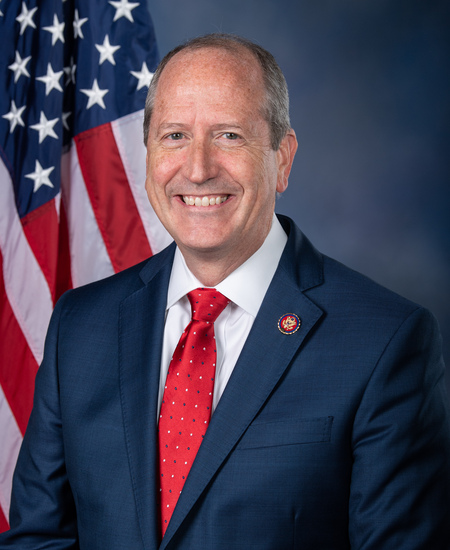
Rep. Dan Bishop
Sponsored bills
Maddy summaryHR 128, the Defund Planned Parenthood Act of 2023, blocks federal funding to Planned Parenthood Federation of America and its affiliates for one year unless they certify they will not perform or fund abortions (except in cases of rape, incest, or life-threatening conditions for the patient). This directly affects Planned Parenthood clinics and their federal funding streams. The bill redirects $235 million to community health centers under the Public Health Service Act to continue providing women’s health services like contraception, cancer screenings, and prenatal care. It requires repayment of funds if Planned Parenthood violates the certification and explicitly states the law won’t reduce overall federal funding for women’s health services.
Maddy summaryHR 145, the "RUSH WAS RIGHT Act of 2023," prohibits the Federal Communications Commission (FCC) from ever reinstating the Fairness Doctrine. The bill amends the Communications Act to explicitly block the FCC from creating rules requiring broadcasters to present opposing viewpoints on controversial issues - a requirement that was repealed in 1985. This directly affects radio and television broadcasters by preventing the FCC from imposing such a policy. The key provision is a new section (303A) stating the FCC lacks authority to revive this doctrine, regardless of future rulemaking efforts.
Maddy summaryHR 391, the Safe Bases Act of 2023, allows eligible active-duty U.S. military members to carry concealed firearms on military installations. The bill requires the Secretary of Defense to create a single Department of Defense office to issue permits for this purpose within one year of the law's enactment. It applies only to active-duty service members who are legally permitted to own firearms under federal law (18 U.S.C. § 922). The law establishes a standardized permit process but does not change existing firearm ownership rules for military personnel.
Maddy summaryHR 311, the Cost Estimates Improvement Act, requires the Congressional Budget Office (CBO) and Joint Committee on Taxation (JCT) to include debt servicing costs in their budget estimates where practicable and to list duplicative federal programs covered by legislation. The bill mandates that all CBO and JCT cost estimates must identify overlapping or redundant agency programs, initiatives, or activities within the proposed legislation. This change aims to improve transparency in federal budget analysis by providing clearer data on long-term debt impacts and program efficiency for lawmakers. The bill directly affects the CBO and JCT as they prepare budget estimates for Congress.
No Taxpayer Funding for the World Health Organization Act This bill prohibits the United States from providing any assessed or voluntary contributions to the World Health Organization.
American Workforce Empowerment Act This bill allows tax-preferred college savings plans (529 plans) to fund certain postsecondary certificate programs and apprenticeship programs.
Maddy summaryHR 297 requires the military Secretary to reinstate service members who were involuntarily separated solely for refusing a COVID-19 vaccine. It applies specifically to those separated only due to vaccine refusal, not other reasons. If a covered member chooses reinstatement, they must be returned to their previous rank and branch of service. The bill mandates this action without requiring the member to receive the vaccine.
Maddy summaryHR 287, the CRT Transparency Act, requires states and local school districts to publicly post all curriculum materials for every elementary and secondary school grade level on accessible websites. Specifically, it amends the Elementary and Secondary Education Act to mandate that states ensure local agencies post curricula online, and that local agencies themselves must make their grade-level curricula publicly available. This directly affects all public K-12 schools and their governing bodies by creating a new transparency requirement for teaching materials. The bill focuses solely on making curriculum content publicly accessible online, without specifying content types or subject areas. It does not alter curriculum content itself but requires existing materials to be posted online for public review.
Maddy summaryHRES 17 would amend House rules to require the Speaker to allow C-SPAN to broadcast and record House floor proceedings using at least four cameras owned and operated by C-SPAN. This change would replace the current discretionary process with a mandatory provision, directly affecting the Speaker's authority over broadcasting access in the chamber. The bill ensures consistent public access to live coverage of legislative debates and votes without requiring separate permissions for each session. This procedural update aims to standardize transparency for viewers of C-SPAN, a nonpartisan network providing public access to government proceedings.