

Sustainable Agriculture Research Act This bill revises the goals of the Agriculture Advanced Research and Development Authority (AGARDA). Specifically, the bill expands the goals to require AGARDA to enhance the role of sustainable agriculture in innovative voluntary resilience solutions in the United States through the development of agricultural technologies that may address the impact of extreme weather on crop production; the effects of drought and the potential of building water holding capacity in soils on croplands and rangelands; the expansion of the potential for long-term carbon storage through sustainable agriculture; increased economic and practical feasibility for renewable and sustainable energy on farms and in the agriculture industry; increased voluntary adoption of conservation practices that sequester carbon and build on-farm climate resilience; and increased economic and practical feasibility for, and voluntary adoption of, precision agriculture technology. The bill defines precision agriculture as managing, tracking, or reducing crop or livestock production inputs (including seed, feed, fertilizer, chemicals, water, and time) at a heightened level of spatial and temporal granularity to improve efficiencies, reduce waste, and maintain environmental quality.
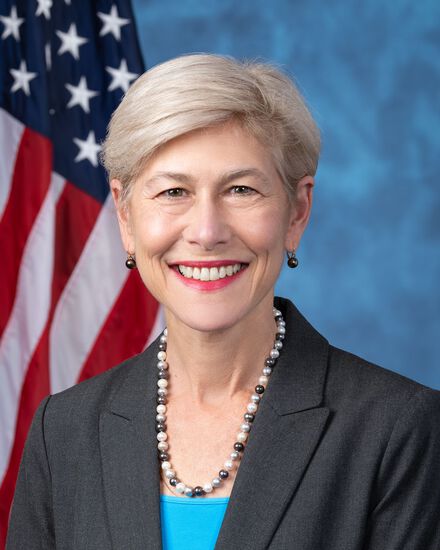
Rep. Deborah K. Ross
Sponsored bills
Maddy summaryThis bill establishes a federal pilot program to help homeless individuals access SNAP (Supplemental Nutrition Assistance Program) benefits. It authorizes $12.5 million annually (2024-2029) to fund grants for community organizations, homeless service providers, and public housing agencies to provide direct outreach, application assistance, transportation to SNAP offices, and staff training. The program specifically targets barriers like lack of documentation and awareness, focusing on helping homeless households enroll in SNAP by connecting them with existing resources. Grantees must report annually on outcomes, including the number of homeless individuals served and enrollment impacts. The pilot runs for up to 5 years, with funds supplementing (not replacing) existing state/local programs.
This resolution condemns Iran for the 1988 massacre of political prisoners. It also urges the Biden Administration and U.S. allies to publicly condemn the massacre and to pressure Iran to provide information to the families of the victims.
Maddy summaryHR 4987, the Democracy Restoration Act of 2023, would restore voting rights for people with felony convictions who are living in their communities (not incarcerated), directly affecting approximately 4.6 million disenfranchised Americans. The bill requires states to automatically restore voting rights upon completion of sentences, including probation or parole, without requiring payment of fines or fees. It mandates notification to individuals about their restored voting rights and prohibits states from conditioning voting rights on payment of legal financial obligations. The legislation addresses the disproportionate impact of voting restrictions on racial minorities, particularly Black and Latino communities, who face significantly higher rates of disenfranchisement. This bill would apply to all federal elections held on or after its enactment date.
Maddy summaryHR 4963, the Tax Fairness for Workers Act, would restore tax deductions for certain employee expenses. It creates an above-the-line deduction for union dues and expenses paid by wage-earning employees, and allows miscellaneous itemized deductions for other work-related expenses (like uniforms or supplies) that were previously disallowed after 2017 tax law changes. These provisions directly affect employees who pay union dues or incur qualifying job-related costs. The bill amends specific sections of the Internal Revenue Code to make these deductions available for taxable years beginning after December 31, 2022. It does not change tax rates or provide new benefits, only reinstating previously eliminated deductions for eligible workers.
Maddy summaryThe Rebuild America's Schools Act of 2023 creates a $20 billion annual federal grant program to fund long-term improvements to public school facilities across the United States. It requires states to prioritize school districts serving high-poverty students (with high percentages of students eligible for free/reduced lunch) and those with deteriorating infrastructure, while mandating that recipient schools develop 10-year facilities master plans. The bill specifies that funds must be used for construction, renovation, and modernization projects that improve energy efficiency, address environmental health hazards (including lead, asbestos, and poor air quality), and ensure school safety, while requiring the use of American-made materials for construction projects.
Maddy summaryThis bill prevents juvenile offenders and their families from being jailed or forced to pay court fees, fines, or child support as a condition of probation. States must certify they prohibit these fees (including costs for attorneys, prosecution, or detention) to qualify for federal grants. The grants fund evidence-based mental health services and diversion programs for at-risk youth in detention, aiming to reduce reliance on incarceration. A national report will track how fees impact different demographic groups and incarceration rates.
Maddy summaryHR 4973, the Community-Based Gang Intervention Act, creates a new federal grant program to fund nonprofit organizations with expertise in gang intervention. These agencies receive funding to directly reduce gang violence by providing street mediation, negotiating truces between rival gangs, offering 24/7 crisis intervention, and delivering mental health services, job training, and victim support to gang-involved youth, their families, and affected communities. The bill mandates that grant recipients must provide services without discrimination based on race, gender, or criminal history. It specifically targets reducing gang-related violence through community-level engagement and specialized support, rather than punitive measures. The program applies to all communities experiencing gang violence, with services designed for youth under 18 (or the maximum age for juvenile jurisdiction in their state).
Maddy summaryThis federal bill (HR 4976) requires law enforcement to notify a minor’s parent, guardian, or legal custodian within 24 hours of arresting them for a crime and mandates that minors under 18 must consult with a lawyer in person before waiving their right to remain silent or request legal counsel during police questioning. It prohibits temporary substitute lawyers from representing minors during interrogation and makes any statement obtained in violation of these rules inadmissible in U.S. criminal prosecutions. An exception allows questioning without these protections only if police need immediate information to prevent an imminent threat to life. The law applies specifically to federal criminal cases involving minors under 18.
Maddy summaryThe Strong Communities Act of 2023 creates a new grant program to fund law enforcement training. It provides competitive grants to local law enforcement agencies, allowing them to send officers and recruits to training programs at eligible entities (like colleges or police departments). To receive training benefits, participants must agree to serve full-time in their local community for four years within a specified distance from their long-term residence (7 miles or 20 miles depending on county size). Failure to complete this service requires repayment of the training benefits received.