

Maddy summaryHR 4249, the VET PFAS Act, provides healthcare benefits to veterans and their families exposed to PFAS chemicals at military bases. Veterans who served at contaminated bases (including through water sources) and developed specific conditions like testicular cancer, ulcerative colitis, or pregnancy-induced hypertension become eligible for VA healthcare without needing medical proof of cause. Family members who lived at these bases or were in utero during such residence also qualify for covered conditions. The bill creates a "presumption of service connection" for these illnesses, meaning the VA assumes PFAS exposure caused the condition. It requires annual VA reports tracking beneficiaries, denials, and conditions treated.
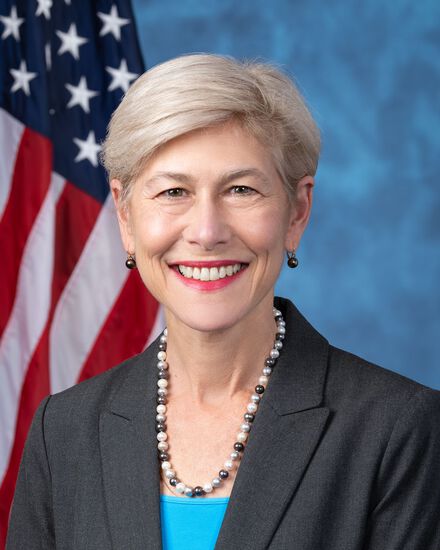
Rep. Deborah K. Ross
Sponsored bills
Maddy summaryHR 5155 creates a new temporary visitor visa category specifically for family visits to the U.S. It directly affects U.S. citizens and lawful permanent residents wanting to host relatives for short stays, and their eligible relatives (including parents, children, siblings, and extended family). The bill requires visitors to have a financial sponsor, short-term medical insurance covering U.S. expenses, and proof of intent to leave within 90 days per year - reducing the previous 180-day limit. It explicitly states this visa does not count as immigrant status, and applicants who previously overstayed a similar visa face additional restrictions unless extraordinary circumstances apply.
Maddy summaryHJRES 84 designates August 20 as "Slavery Remembrance Day" to commemorate the arrival of the first enslaved Africans in what is now Virginia on August 20, 1619. The resolution urges the President to issue an annual proclamation encouraging Americans to observe the day with ceremonies and activities reflecting on slavery's history. It specifically honors 21 Black Congress members from the Reconstruction Era as honorary cosponsors and calls for acknowledging the enduring impacts of slavery. As a symbolic resolution, it does not create new laws or directly affect any group beyond establishing an annual observance.
Maddy summary# Summary of the "Protecting Our Democracy Act" This comprehensive legislation aims to strengthen democratic processes, increase government transparency, and prevent foreign interference in elections. Key provisions include: ## Ethics and Transparency - **Ethics Pledge**: Requires all appointees to sign an ethics pledge committing to: - Ban on gifts from registered lobbyists - 2-year revolving door ban (prohibiting participation in matters related to former employers) - Golden parachute ban (no special payments from former employers) - Commitment to decision-making based on public interest - **Tax Transparency**: Requires presidential and vice presidential candidates to disclose 10 years of tax returns, with sitting presidents submitting returns within 30 days of enactment ## Campaign Finance and Foreign Interference - **Foreign Contact Reporting**: Requires political committees to report any contact with "covered foreign nationals" within 1 week - **Enhanced Penalties**: Criminal penalties of up to $1 million and 5 years in prison for violations - **Online Advertising Rules** ("Honest Ads Act"): - Requires clear disclosure of who paid for political ads online - Mandates machine-readable public databases of political ads - Requires visible sponsor identification that remains when ads are shared - Defines "qualified political advertisements" to include various online formats ## Preventing Patronage Systems - Limits exceptions to competitive service for federal positions - Restricts transferring positions between competitive and excepted service - Requires employee consent for position transfers ## Use of Federal Property - Prohibits holding national political conventions on federal property - Requires publicly available visitor records at White House and other official locations (with privacy exceptions) The legislation establishes detailed definitions, reporting requirements, and enforcement mechanisms across multiple agencies, with the goal of increasing transparency, preventing foreign interference, and ensuring ethical conduct in government service.
Maddy summaryThis bill requires phone calls, texts, and chats to 9-8-8 (the national suicide prevention and mental health crisis hotline) to be routed to the nearest participating crisis center within 90 days of enactment, while protecting caller privacy by not revealing precise location. It mandates all phone carriers to transmit every 9-8-8 call or text - including those from prepaid or non-initialized handsets - and updates phone systems to allow direct 9-8-8 dialing without extra steps. The law affects crisis centers (by directing calls to their area), callers (through improved routing and privacy), and phone carriers (by requiring transmission compliance). These changes aim to make the 9-8-8 system more efficient and accessible for those seeking mental health support.
Maddy summaryHR 4914, the South Asian Heart Health Awareness and Research Act of 2023, provides $2 million annually from 2024-2028 to fund grants for states to address heart disease disparities in communities disproportionately affected by it, specifically targeting South Asian populations in the U.S. The grants require states to develop culturally tailored heart health materials (like nutrition and exercise programs), support community organizations serving these groups, improve research methodologies to better include South Asian participants, and conduct studies on cardiovascular disease and type 2 diabetes in at-risk communities. States must report on these activities and heart disease data to Congress within two years of the bill's enactment. The legislation directly affects South Asian communities by aiming to reduce health disparities through targeted awareness, community support, and inclusive research.
Maddy summaryThis bill creates a federal loan repayment program to help mental health professionals (like counselors, psychologists, and social workers) repay student loans. It directly affects individuals who have taken out education loans for mental health degrees and agree to work in underserved areas. Key provisions require participants to commit to 3-6 years of full-time service in designated mental health shortage areas or counties with high overdose death rates, with funding increased to $100 million annually for 2023-2032. The program expands eligibility to cover all mental health-related fields, including behavioral health roles.
Providing for Unhoused People with Pets Act of 2023 or the PUPP Act of 2023 This bill permits the Department of Agriculture to award grants for interim and permanent housing that accommodates individuals (or families) who are homeless and have pets. Entities eligible for the grant include local governments, nonprofits, and entities that house or shelter homeless individuals. Additionally, grant recipients must make available supportive services and basic veterinary care.
Genome to Phenome Initiative Reauthorization Act of 2023 or the AG2PI Act of 2023 This bill reauthorizes the Agricultural Genome to Phenome Initiative (AG2PI) of the National Institute of Food and Agriculture through FY2028. The AG2PI competitive grant program seeks to (1) expand knowledge concerning genomes and phenomes of crops and animals that are of importance to the U.S. agriculture sector, and (2) support and coordinate research.
Maddy summaryThis bill prohibits federal involvement in commercial greyhound racing, live lure training, and open field coursing by banning interstate activities related to these practices. It makes it unlawful to conduct betting on greyhound races (including remote gambling), use live animals as bait, or transport animals for these purposes. The law specifically targets the declining greyhound racing industry (now operating at only two tracks in West Virginia), banning federal facilitation of betting, live bait use, and interstate transport of animals for racing or training. It does not affect horse racing or state laws already prohibiting these activities in most states.