

Maddy summaryH.J. Res. 193 proposes a constitutional amendment to eliminate legal immunity for federal officials, including the President, from criminal prosecution for actions taken while performing official duties. It also prohibits the President from granting a pardon to themselves. The amendment would apply to all federal officers (such as the President, Vice President, and members of Congress) except for Congress members acting in their legislative role as defined in the Constitution. If ratified by 38 states, this change would become part of the U.S. Constitution, requiring no further congressional action.
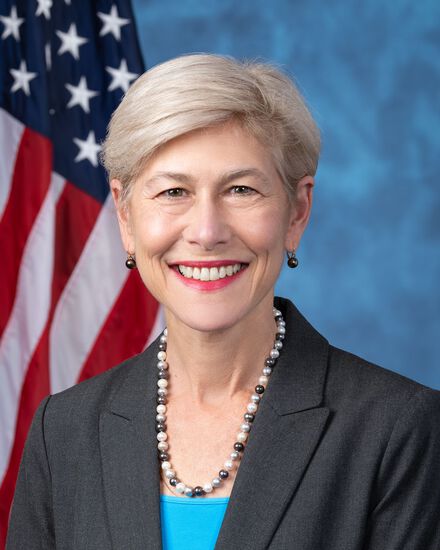
Rep. Deborah K. Ross
Sponsored bills
Maddy summaryThe BRAIN Act (HR 9113) establishes new research networks and funding mechanisms to advance brain tumor treatment and care. It requires the NIH to create a searchable database of brain tumor biospecimens, authorizes $50 million annually for a Glioblastoma Therapeutics Network, and allocates $10 million yearly for CAR-T cell therapy research. The bill also mandates a national awareness campaign about clinical trials and biomarker testing, and funds pilot programs to improve long-term care for brain tumor survivors. These provisions directly affect researchers, patients, healthcare providers, and survivors, with funding allocated for fiscal years 2026 through 2030.
Maddy summaryHR 1631, the Pro Codes Act, requires standards development organizations (like ANSI or IEEE) to make technical standards publicly accessible online for free if those standards are referenced in federal, state, or local laws or regulations. This directly affects the organizations that create these standards and government agencies that incorporate them into rules. The key provision mandates that organizations must provide free, online access to all referenced standards within a reasonable time after learning they’re incorporated, without charging users or requiring payment. It ensures the public can access current standards used in government rules while allowing organizations to maintain revenue models through paid subscriptions for other users. The law balances public access with the need for standards organizations to fund their work through copyright licensing.
Maddy summaryHRES 1355 is a non-binding resolution supporting the designation of July 10 as Journeyman Lineworkers Recognition Day. It honors lineworkers who maintain electrical infrastructure under hazardous conditions, including during disasters, and commemorates Henry Miller, the first president of the International Brotherhood of Electrical Workers, who died on July 10, 1896, while troubleshooting an electrical outage. The resolution encourages public recognition of these workers' contributions but does not create new laws or policies.
Maddy summaryHR 8911, the Worker Rights and Support Act, requires most employers to provide specific breaks to employees under the Fair Labor Standards Act. It mandates 30-minute meal breaks after 6 hours of work (unpaid unless work continues), 10-minute rest breaks every 4 hours (paid), and medical breaks (up to 20 minutes per need, paid) for documented health conditions. The bill ensures breaks are paid if employees aren't fully relieved of work duties or can't leave the premises. It does not override collective bargaining agreements or stricter state laws, and adds enforcement penalties for violations of these break requirements.
Maddy summaryThe SAFES Act creates a federal tax credit for individuals who purchase gun safes, allowing them to deduct 90% of the cost, up to $500 per person or $1,000 for joint returns. For purchases made before 2030, any qualifying gun safe qualifies; after 2029, only safes meeting standards set by the Secretary of Health and Human Services (HHS) will be eligible, based on an HHS report required within five years of enactment. The bill prohibits requiring taxpayers to disclose firearm ownership details to claim the credit. This policy directly affects individual firearm owners seeking to reduce tax liability through safe storage purchases.
Maddy summaryThis bill requires the Comptroller General to study menopause care provided by the Department of Veterans Affairs (VA) to women veterans. The study will examine current VA services for perimenopause, menopause, and related conditions, including provider training, diagnosis protocols, access to care, veteran awareness, and care quality. The Comptroller General must issue a report within 18 months, followed by a VA strategic plan within 6 months to improve care based on the findings. The bill directly affects women veterans seeking VA health services related to menopause symptoms but does not change existing benefits or funding.
Maddy summaryThis bill expands Post-9/11 GI Bill benefits to National Guard members who perform specific full-time duty. It amends eligibility rules to include service on "full-time National Guard duty" (as defined in Title 32) and "active duty" (as defined in Title 32), which previously did not count toward full benefits. The change applies retroactively to service since September 11, 2001, and takes effect one year after enactment. This directly affects National Guard members serving in these specific full-time roles, granting them parity with other veterans for educational benefits.
Maddy summaryThe CARE for Kids Act of 2024 expands automatic eligibility for free or reduced-price school meals under the National School Lunch Act. It directly affects children in specific caregiving situations - such as those with kinship caregivers (including grandparents), children receiving adoption or kinship guardianship payments, and children in Native American housing programs - by allowing schools to automatically enroll them without additional paperwork. Key provisions include adding new categories for direct certification (like children with Medicaid medical assistance tied to foster care or tribal programs) and extending eligibility when children transfer schools, provided they’re living with a relative who has legal custody or authority. The bill aims to reduce administrative barriers for vulnerable children to access school meals.
Maddy summaryThis bill creates a federal framework for "extreme risk protection orders" (ERPOs) that temporarily remove firearms from individuals who pose a risk of harming themselves or others. Family members or law enforcement officers can petition a federal court for a temporary order (up to 14 days) based on probable cause, followed by a hearing within 72 hours to determine if a longer-term order (up to 180 days) is warranted. The bill requires clear and convincing evidence of risk at the hearing and mandates respondents to surrender firearms to law enforcement within 48 hours. It also includes provisions for reporting, training law enforcement on ERPOs, and a federal grant program to support state ERPO implementation, without preempting state laws.