

Maddy summaryThe Treat and Reduce Obesity Act of 2023 expands Medicare coverage for obesity treatment by allowing a wider range of healthcare providers - including nurse practitioners, dietitians, psychologists, and community-based counseling programs - to deliver intensive behavioral therapy for obesity, provided they coordinate with primary care providers. It also adds Medicare Part D coverage for medications used to treat obesity or for weight loss management in overweight individuals with related health conditions like diabetes or high blood pressure. These changes directly affect Medicare beneficiaries, particularly older adults (65+), who face higher obesity rates and associated costs, including $50 billion annually in Medicare spending for obesity-related care. The bill requires annual reports to Congress on implementation to improve coordination of obesity care across federal health programs.
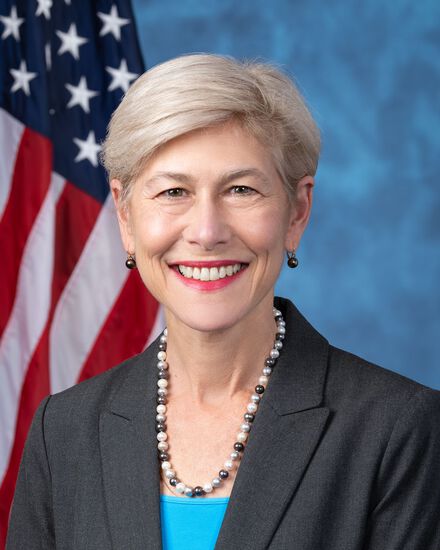
Rep. Deborah K. Ross
Sponsored bills
Maddy summaryThis bill creates a 4-year transitional coverage period for Medicare to automatically cover "breakthrough medical devices" - new FDA-prioritized devices approved after March 2021 - as "reasonable and necessary" for treatment. During this period, these devices qualify for additional payments under Medicare's hospital and outpatient payment systems without requiring separate approval. After the 4-year period, Medicare must develop regular coverage based on additional data, with automatic coverage for all approved uses if no action is taken within two years. The bill requires Medicare to assign unique codes for these devices within three months of FDA approval and to update payment systems regularly. It also includes special provisions for "specified breakthrough devices" that lack existing Medicare benefit categories, requiring reports on their impact and cost to Congress.
Maddy summaryThis bill reauthorizes the Emergency Medical Services for Children (EMSC) program through fiscal year 2029, increasing annual funding from $22.3 million (2020-2024) to $24.3 million (2025-2029). It directly supports states and communities providing specialized emergency medical care for children, including pediatric trauma and transport services. The key provision extends and increases federal funding to maintain existing EMSC grant programs that train healthcare providers and improve pediatric emergency response systems. This ensures continued access to coordinated care for children in emergency situations across the United States.
Maddy summaryThe Stop Campus Hazing Act requires colleges and universities to publicly report hazing incidents involving student organizations. It defines hazing as intentional acts causing physical or psychological harm during initiation or membership in student groups, including activities like forced substance consumption, sleep deprivation, or sexual acts. Institutions must include hazing statistics in annual security reports and publish a "Campus Hazing Transparency Report" on their websites by July 1, 2025, detailing findings about organizations violating hazing policies. The reports must include organization names, violation descriptions, and key dates while excluding personally identifiable student information. This applies to all colleges participating in federal student aid programs.
Maddy summaryThis bill, HR 1097 (Everett Alvarez, Jr. Congressional Gold Medal Act of 2023), authorizes the award of a Congressional Gold Medal to Everett Alvarez, Jr., in recognition of his service as a U.S. Navy pilot and Vietnam War prisoner of war. It directly honors Alvarez, who was the first U.S. pilot shot down in the Vietnam War, spent over 8.5 years in captivity, and later served in the Peace Corps and Veterans Administration. The bill’s key mechanism is directing the U.S. Mint to strike a gold medal bearing his name and image, with bronze duplicates available for sale to cover costs. It does not create new policies or affect any group beyond the honoree.
Maddy summaryHR 2367, the Truck Parking Safety Improvement Act, creates a federal grant program to address commercial truck parking shortages on highways. It provides competitive grants (totaling $175M-$320M over three years) for projects like building new rest areas, expanding parking at ports or truck stops, or improving safety at existing facilities. The program requires all funded parking to be free, publicly accessible to all truck drivers, and maintained without user fees. This directly affects commercial truck drivers, motor carriers, and highway safety by aiming to improve parking access, reduce traffic congestion, and enhance safety on federal-aid highways.
Maddy summaryThe Save Our Sequoias Act establishes a coordinated approach to protect giant sequoia groves in California from wildfires, insects, and drought. It creates a Giant Sequoia Lands Coalition including federal agencies, state governments, and the Tule River Indian Tribe to assess grove health, develop protection projects, and recommend forest management activities. The bill streamlines implementation of certain projects through categorical exclusion from environmental reviews, authorizes $10-40 million annually for conservation efforts, and establishes a fund for philanthropic support of sequoia protection.
Maddy summaryThe Lumbee Fairness Act extends full federal recognition to the Lumbee Tribe of North Carolina, granting the Tribe and its members eligibility for all federal services and benefits provided to federally recognized tribes. It designates members residing in Robeson, Cumberland, Hoke, and Scotland counties as living "on or near an Indian reservation" for service delivery purposes. The bill authorizes the Secretary of the Interior to take land into trust for the Tribe and clarifies jurisdictional boundaries with North Carolina regarding tribal lands. These changes directly affect the Lumbee Tribe and its members in specific North Carolina counties, aligning their federal status with other recognized tribes.
Maddy summaryThis bill extends Medicare payment adjustments for physicians and other practitioners through 2025 instead of ending in 2024. It specifically adds a 4.73% payment increase for services provided between January 1, 2025, and January 1, 2026. The legislation modifies existing Medicare payment rules to stabilize practice revenues during transition periods. It directly affects doctors and healthcare providers who bill Medicare for patient services. The key change is the extended timeframe and the defined 4.73% rate for the 2025-2026 period.
Maddy summaryThe SAFE for Survivors Act of 2024 provides comprehensive workplace protections for survivors of domestic violence, dating violence, sexual assault, and stalking. It establishes a new entitlement to 40 work days of safe leave per year (with 10 days paid) for employees to address qualifying acts of violence, including time for counseling, safety planning, legal assistance, and medical care. The bill prohibits employers from discriminating against or retaliating against employees who take this leave, requires reasonable accommodations for survivors, and ensures unemployment compensation eligibility for those who separate from work due to violence. It also includes insurance protections preventing insurers from denying coverage or charging higher premiums based on a person's status as a survivor. This legislation directly affects employees, employers, and insurance providers across the United States.