

Equity in Neuroscience and Alzheimer's Clinical Trials Act of 2021 or the ENACT Act of 2021 This bill sets out activities and requirements to increase the participation of underrepresented populations in research and clinical trials for Alzheimer's disease and related dementias. Specifically, the National Institute on Aging (NIA) must establish and provide technical assistance to Alzheimer's research centers located in areas with higher concentrations of minority groups. These centers must establish diagnostic and treatment clinics designed to serve minority, rural, and other underserved populations; operate clinical trials; and carry out public outreach to encourage members of minority populations to participate in clinical trials and research. Additionally, the NIA must disseminate information to members of minority populations about participating in clinical trials and take other actions to enhance diversity with respect to the Alzheimer's research that it conducts or supports. The bill also directs the NIA to increase diversity among Alzheimer's researchers by encouraging the participation of individuals who are from groups that are underrepresented in clinical, behavioral, and social sciences.
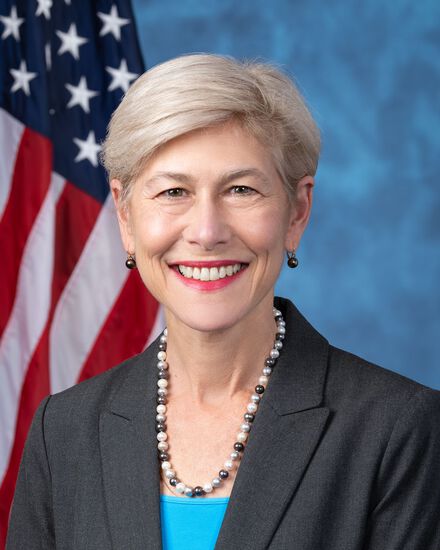
Rep. Deborah K. Ross
Sponsored bills
Military Child Care Expansion Act of 2021 This bill modifies and implements policies to update child care facilities and administration at the Department of Defense (DOD). Specifically, the bill removes certain requirements for members of the Armed Forces to receive funding for an in-home child care provider under the DOD pilot program that provides financial assistance to such members who pay for in-home child care. The bill also allows DOD to expand the pilot program to additional locations (currently it is authorized for five). DOD must establish a 10-year pilot program to expand access to child care for members of the Armed Forces by entering into agreements with public or private child care facilities or development centers. Under the bill, DOD must determine the (1) root causes contributing to poor or failing facility conditions at its child development centers, and (2) total cost to improve the conditions of such centers. The Government Accountability Office must review the determinations and make recommendations on how to improve DOD child development center conditions. Lastly, DOD must utilize its existing authority to carry out minor military construction projects to construct child development centers.
Foster Youth Mentoring Act of 20 21 This bill directs the Department of Health and Human Services to award grants for programs that provide mentoring for children in foster care and children with experience in foster care.
Servicemember Parental Leave Equity Act This bill modifies Department of Defense parental leave provisions for members of the Armed Forces. Specifically, the bill increases parental leave for primary caregivers to 18 weeks (currently 12) following the birth of a child and to 12 weeks (currently 6) following the adoption of a child. The bill increases parental leave for a secondary caregiver from 21 days to 12 weeks in connection with the birth or adoption of a child. Primary or secondary caregivers of a long-term foster child are authorized to take up to 12 weeks of leave in connection with such placement. Parental leave for a primary or secondary caregiver for a birth, adoption, or foster child placement may be taken in more than one increment. For primary caregivers, the leave must be utilized within one year of the event. The bill authorizes up to 12 weeks of leave to certain service members who would have been secondary caregivers but for a miscarriage, stillbirth, or infant death. The following activities required of an active-duty member within a 12-month postpartum period must have the approval of a health care provider and be at the election of the member or in the interest of national security: (1) an order of temporary duty overnight travel or to participate in physically demanding field training exercises, (2) meeting of body composition standards, or (3) passing a physical fitness test. The bill also reduces the service commitment required for participation in the Career Intermission Program.
Personal Health Investment Today Act of 2021 or the PHIT Act of 2021 This bill allows a medical care tax deduction for up to $1,000 ($2,000 for a joint return or a head of household) of qualified sports and fitness expenses per year. The bill defines qualified sports and fitness expenses as amounts paid exclusively for participating in a physical activity, including (1) fitness facility memberships, (2) physical exercise or activity programs, or (3) equipment for a physical exercise or activity program.
21st Century Federal Writers' Project Act This bill creates a grant program in the Department of Labor to provide eligible entities with funds to assist individuals who are unemployed or underemployed in order to document in writing and images American society and the broad impacts and effects of the COVID-19 pandemic in the United States. In addition, Labor must (1) establish a repository of works developed through the grant program in which grantees submit completed works from subgrantees, including giving credit to each writer or artist, and make such works available to the public; and (2) forward the completed work to the Library of Congress to archive such material. The Library must establish an archive program in its American Folklife Center for collection and public availability, in a digital format of such written and visual works.
Adoption Tax Credit Refundability Act of 2021 This bill makes the tax credit for adoption expenses refundable.
Pandemic Leave Extension Act This bill extends until the end of the COVID-19 public health emergency the availability of emergency paid sick leave and emergency family and medical leave.
Inspector General Access Act of 2021 This bill transfers responsibility for investigating certain allegations of misconduct from the Department of Justice (DOJ) Office of Professional Responsibility to the DOJ Office of the Inspector General. Specifically, the bill transfers responsibility for allegations relating to a DOJ attorney's authority to investigate, litigate, or provide legal advice.
Helping Ensure Life- and Limb-Saving Access to Podiatric Physicians Act or the HELLPP Act This bill adds podiatrists as covered physicians under the Medicaid program. Additionally, the bill revises certain documentation requirements related to Medicare coverage of therapeutic shoes for individuals with diabetes. Finally, the bill subjects payments made to a Medicaid provider or supplier to a continuing levy for federal taxes owed by the provider or supplier.