

Maddy summaryHRES 1217 is a symbolic House resolution supporting the designation of May 10, 2024, as "National Asian American, Native Hawaiian, and Pacific Islander Mental Health Day." It directly affects the AANHPI community, which faces significant mental health disparities (including 63.7% of those needing care not receiving it and higher youth suicide rates). The resolution does not create new policies or funding but encourages federal, state, and local agencies to improve mental health awareness and culturally appropriate services for this community. It emphasizes recognizing cultural heritage as beneficial to mental health and aligns with existing May observances for AANHPI Heritage and Mental Health Awareness.
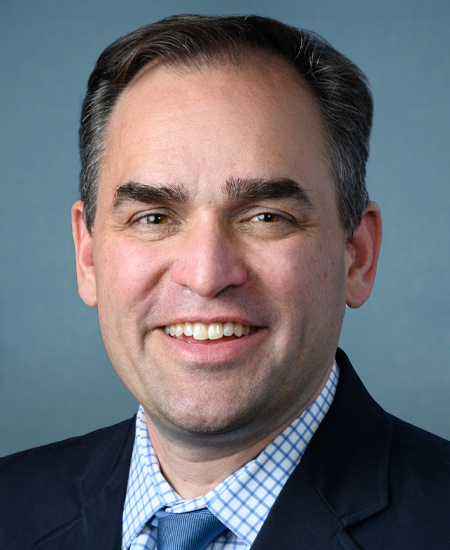
Rep. Wiley Nickel
Sponsored bills
Maddy summaryHRES 1206 is a symbolic House resolution supporting the designation of May 2024 as "Mental Health Awareness Month." It does not create new laws or funding but aims to raise public awareness about mental health challenges, emphasizing the need to reduce stigma and treat mental well-being as equally important as physical health. The resolution cites statistics on rising mental health crises - including increased anxiety, depression, and suicide rates among youth, LGBTQ+ individuals, veterans, and communities of color - to underscore the urgency of the issue. It encourages nationwide efforts to promote mental health awareness and access to care during this designated month.
Maddy summaryThis bill provides $280 million in funding for the Department of Education's Office for Civil Rights (OCR) for fiscal year 2024, with funds available through September 2025. The OCR investigates school discrimination complaints related to race, sex, disability, and other protected characteristics. This funding directly supports the OCR's ability to handle civil rights cases involving students and schools nationwide, without creating new student requirements or altering existing laws.
Maddy summaryThis bill creates grants to support mental and behavioral health graduate programs at minority-serving institutions like historically Black colleges, tribal colleges, and other institutions serving communities of color. It requires at least 5% of grant funds to provide scholarships for students from health professional shortage areas. The grants can help institutions establish or improve programs that train professionals to provide culturally responsive and trauma-informed care. The goal is to increase the number of mental health professionals serving in underserved communities and diversify the mental health workforce.
Maddy summaryThis bill clarifies when digital asset rewards (like those earned through cryptocurrency mining or staking) become taxable. It states that individuals do not owe income tax when they first receive these rewards, only when they later sell or dispose of the digital assets. The law uses existing IRS definitions for "digital asset" and "blockchain consensus mechanism" to apply this rule. It applies to taxable years starting after December 31, 2023, directly affecting people who earn cryptocurrency rewards and crypto platforms that issue them.
Maddy summaryThe FAIR MAPS Act requires states to use independent redistricting commissions rather than state legislatures to draw congressional district maps after each census. These commissions must include members from the two major political parties and independents, follow specific criteria including equal population, compliance with the Voting Rights Act, and avoidance of partisan gerrymandering, and must provide extensive public input opportunities. The bill mandates transparency by requiring commissions to hold public hearings, make maps and data publicly available online, and provide written evaluations of maps against fairness metrics. It applies to redistricting following the 2020 census (with deadlines for 2024) and future censuses starting with 2030, and provides for federal courts to develop maps if states fail to establish compliant commissions.
Maddy summaryThis resolution (HRES 1157) is a symbolic gesture recognizing the work of linemen. It does not create new laws or policies; instead, it formally expresses the House's support for designating April 18, 2024, as "National Lineman Appreciation Day." The resolution highlights linemen's critical role in maintaining power infrastructure, their work as first responders during emergencies, and their safety risks. It directly affects no individuals or entities through policy changes - it solely offers ceremonial recognition of linemen's contributions to public safety.
Maddy summaryHR 8126 amends the Financial Literacy and Education Improvement Act to require secondary schools (middle and high schools) to adopt specific financial literacy best practices, expanding coverage beyond just colleges. The bill mandates that schools teach budgeting, credit fundamentals (including credit scores), investment basics, scam avoidance, and postsecondary financing options. These requirements directly affect secondary school curricula and students, ensuring they learn practical financial skills before college. The changes take effect January 1, 2024, updating existing guidelines for institutions of higher education to now include secondary schools.
Maddy summaryHR 8099, the CRED Act, requires the Federal Housing Finance Agency to analyze whether mortgage companies should use two credit reports/scores instead of three when processing home loans. This analysis would evaluate potential cost savings for borrowers, changes in loan access, and impacts on lenders, servicers, and credit reporting agencies. The bill mandates publishing this analysis for 90 days of public comment before any new requirement could take effect. It directly affects home loan applicants, mortgage lenders, and the three major credit bureaus. The law does not change current practices but sets a process for future evaluation.
Maddy summaryHR 8061, the Crime Victims Fund Stabilization Act of 2024, ensures stable funding for the Crime Victims Fund by directing certain False Claims Act collections into it from 2024 through 2029. Specifically, it adds a provision requiring that amounts collected under the False Claims Act (excluding whistleblower rewards and government reimbursement for damages) be deposited into the fund during this period. This directly affects crime victims who rely on the fund for services like counseling and emergency aid, as it prevents potential shortfalls in funding. The bill makes a concrete policy change by redirecting specific federal civil penalties into the fund, rather than altering the fund's existing purposes or eligibility rules.