

Maddy summaryHR 5983, the Clean Water Act of 2023, redefines "protected water resources" under federal law to explicitly include all interstate and intrastate waters (such as intermittent and ephemeral streams), wetlands, and their tributaries. This directly affects federal agencies like the EPA, states managing water quality, and developers or landowners needing permits for activities near these waters. The bill eliminates the Supreme Court’s narrow "navigable waters" definition from Sackett v. EPA (2023), restoring protections for tens of millions of acres of wetlands and millions of miles of small streams. Key mechanisms require the EPA to annually review and adjust exclusions from protections based on scientific evidence, ensuring water bodies critical to drinking water, flood control, and ecosystems remain safeguarded.
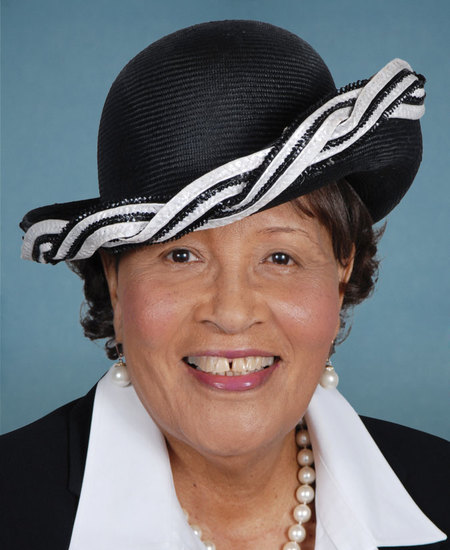
Rep. Alma S. Adams
Sponsored bills
Maddy summaryThis resolution (HRES 817) formally recognizes four African American legislators - James Lewis, John Willis Menard, Pinckney B.S. Pinchback, and Josiah Thomas Walls - as former Members of the House. It states they duly won election during the Reconstruction Era (1869-1874) but were wrongly denied seats due to contested credentials. The resolution directs the House to recognize them as former Members and display oil portraits of them in a House corridor. This is a symbolic gesture of historical acknowledgment, not a legal change to their status or voting rights.
Maddy summaryHRES 819 is a symbolic resolution recognizing the 5-year anniversary of the October 27, 2018, antisemitic attack at Pittsburgh’s Tree of Life Synagogue, which killed 11 people. It condemns antisemitism and references rising hate incidents, including the Anti-Defamation League’s 2022 report of record antisemitic activity (3,697 incidents). The resolution honors the victims, expresses solidarity with affected Jewish communities, and reaffirms the U.S. commitment to combatting hate and protecting religious freedom. As a procedural resolution (not a law), it has no binding effect but serves as a formal statement of congressional stance.
Maddy summaryThis bill establishes a program to address critical legacy computer languages used by the federal government but rarely taught in colleges. It requires the Comptroller General to identify at least three such languages (beyond COBOL, Assembly, and PL/I) necessary for government operations and national security. The Grace Hopper Sustainment and Modernization Grant Program then funds up to five institutions of higher education annually (including at least two 2-year colleges) to develop courses teaching maintenance and modernization of these systems. Grants prioritize projects recruiting underrepresented groups, engaging K-12 students, offering student support, incorporating social science perspectives, and securing paid internships with government or private sector partners for students.
Maddy summaryThe Rape Kit Backlog Progress Act of 2023 requires states and local governments receiving federal crime-fighting grants to conduct comprehensive inventories of all sexual assault kits (both tested and untested) and report key details to the Attorney General. It mandates that jurisdictions document victim consent for testing, upload DNA results to the national CODIS database, establish electronic tracking systems for victims, and implement victim notification protocols. States must submit these reports annually to maintain eligibility for federal grants, with the Attorney General publishing a public annual report on backlog status and compliance. This law directly affects state/local law enforcement agencies and prosecutors handling sexual assault cases, aiming to improve transparency and accountability in processing evidence.
This resolution urges the President to immediately call for and to facilitate de-escalation and a cease-fire in Israel and Palestinian Territories. The resolution also calls on the President to promptly send and facilitate the entry of humanitarian assistance into Gaza.
Maddy summaryHRES 771 is a non-binding resolution expressing the U.S. House of Representatives' support for Israel following Hamas' October 7, 2023, attack. It condemns Hamas' actions, affirms Israel's right to self-defense, and calls for the immediate release of hostages. The resolution also urges enforcement of existing laws restricting aid to terrorists and sanctions against Iran for supporting Hamas. It does not create new policies or allocate funds, as it is a symbolic statement of congressional support.
Maddy summaryHRES 768 is a symbolic House Resolution expressing congressional support for Israel following Hamas' October 7, 2023 attacks. It condemns Hamas' actions, reaffirms Israel's right to self-defense, and calls for the immediate release of hostages. The resolution references the U.S. commitment to Israel's security through existing military aid programs, including the 2016 U.S.-Israel Memorandum of Understanding, and emphasizes enforcement of laws like the Taylor Force Act to prevent U.S. aid from reaching terrorist groups. As a symbolic resolution, it does not create new policy but serves as a statement of congressional support for Israel.
Maddy summaryHR 6054, the Represent America Abroad Act of 2023, creates a 3-year pilot program to increase diversity in the U.S. Foreign Service by recruiting mid-career professionals from historically excluded groups - including racial/ethnic minorities, women, people with disabilities, and others - through a modified lateral entry pathway. The program requires participants to have 5-8 years of relevant experience, pass standard Foreign Service exams, and complete specialized training, with a goal of placing at least 50% of participants into mid-level Foreign Service roles annually. It mandates annual reporting to Congress on applicant demographics, advancement rates, retention, and recruitment efforts, targeting outreach to minority-serving institutions and community organizations. The bill directly affects the Department of State and USAID, aiming to address documented diversity gaps in leadership (currently 13-17% minority representation at executive levels) by expanding recruitment from underrepresented talent pools.
Maddy summaryThis bill authorizes a one-time $40,000 payment to former Air America employees who served at least five years during 1950-1976, or to their survivors (widows/widowers, dependents, or children). Additional $8,000 payments are provided for each full year of service beyond five years. The total funding is capped at $60 million, with claims due within two years of regulations being finalized. It does not create ongoing benefits or change Air America’s legal status, and payments are issued as a single lump sum.