

Maddy summaryHR 6465, the PLASMA Act, amends Medicare Part D's discount program to create a specific phase-in for plasma-derived specialty drugs. It directly affects Medicare Part D beneficiaries who use these drugs and reach their annual out-of-pocket spending limit. The bill establishes a new "specified plasma-derived product percent" to calculate discounted prices for these drugs, based on whether beneficiaries have already met their out-of-pocket threshold for other Part D drugs. This changes how manufacturers' negotiated prices are discounted for plasma-derived products under the existing program, without creating new benefits or altering coverage.
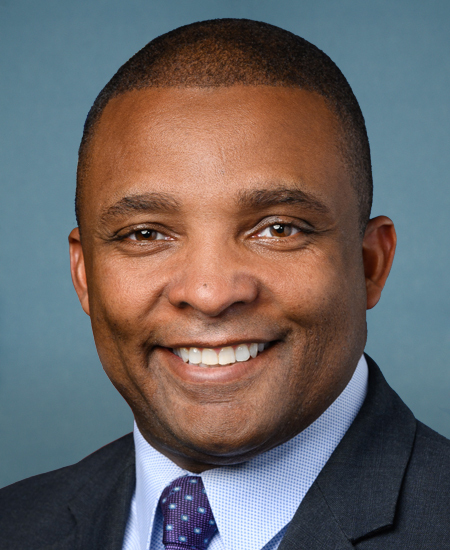
Rep. Donald G. Davis
Sponsored bills
Maddy summaryThis bill adds audiology services to Medicare's covered benefits under Section 1861(s)(2)(KK), effective January 1, 2025. It allows qualified audiologists to provide hearing and balance assessments and diagnostic/treatment services without requiring a physician referral or supervision, directly affecting Medicare beneficiaries seeking these services and audiologists practicing under state law. Payment will be 80% of the lower of actual charge or the Medicare fee schedule. The bill does not expand the types of audiology services covered but changes how they are accessed and paid for under Medicare.
Maddy summaryThe ARCH Act extends funding for two critical rural hospital payment programs through 2029 (instead of 2024). It directly affects rural hospitals classified as Medicare-dependent hospitals (MDHs) or low-volume hospitals (LVHs), ensuring continued financial support. Key provisions include extending payment methodologies, allowing hospitals to decline reclassification, and requiring a GAO report analyzing rural hospital classification overlaps and recommending improvements. The GAO must report within 180 days on classification criteria, overlaps, and potential changes to improve rural hospital sustainability and patient access.
Maddy summaryThe ARCC Act provides $100 million in federal funding to help apprentices and pre-apprentices in job training programs cover childcare costs. It authorizes competitive grants to 10 states, which must distribute monthly stipends of at least $500 per dependent child directly to eligible childcare providers on behalf of participants in these programs. The bill prioritizes individuals from historically underrepresented groups (based on race, ethnicity, or gender) and ensures stipends are tax-free while not affecting eligibility for other federal benefits. States must report on participation, program completion rates, and demographic data, with the Secretary later summarizing program impacts for Congress.
Maddy summaryThis bill updates Medicare physician payment rules to improve stability and accuracy. It raises the budget neutrality threshold from $20 million (pre-2025) to $53 million in 2025, with annual indexing after 2026, to prevent excessive payment adjustments. The bill requires the Medicare program to correct budget neutrality payments based on actual service utilization data (not estimates) starting in 2025, and mandates updating direct cost inputs (like staff wages and equipment prices) every 5 years. It also caps annual changes to the physician payment conversion factor at 2.5% to limit sudden payment shifts, directly affecting Medicare physicians and healthcare providers receiving these payments.
Maddy summaryThis bill directs the Architect of the Capitol to create a time capsule for the U.S. Semiquincentennial (250th anniversary of independence). Congressional leadership will determine its contents, including representative materials about the Semiquincentennial, copies of key legislative milestones, and a message to future Congress. The capsule will be sealed on the Capitol's West Lawn by July 4, 2026, and remain unopened until July 4, 2276, when it will be presented to the 244th Congress for their consideration. The bill is procedural and does not affect citizens or change existing laws.
Maddy summaryHR 6283, the DRUG Act, regulates pharmacy benefit managers (PBMs) to prevent practices that may increase prescription drug costs for consumers. The bill prohibits PBMs from earning revenue based on drug prices or discounts, requiring them to charge flat dollar service fees instead of fees tied to drug costs. It bans PBMs from steering patients to pharmacies they own or control, mandates equal reimbursement for affiliated and non-affiliated pharmacies, and prohibits charging different fees for the same drug. These provisions apply to group health plans, health insurance issuers, and PBMs, with enforcement beginning for plan years starting January 1, 2026. Violations would result in $10,000 daily penalties and require disgorgement of improperly received payments.
Maddy summaryThis bill amends Medicare, Medicaid, and private insurance rules to improve coverage for drugs treating rare diseases (defined as conditions affecting 200,000 or fewer people in the U.S.). It requires coverage for rare disease drug uses supported by peer-reviewed medical literature and not listed as contraindicated in FDA labeling or medical reference guides. Private insurers must provide expedited review processes for denials of such drugs. The changes apply 30 days after enactment, affecting insurers and patients seeking coverage for rare disease treatments.
Maddy summaryHR 6110, the Access to Inpatient Rehabilitation Therapy Act of 2023, would change how Medicare determines eligibility for inpatient rehabilitation therapy. It restores physicians' authority to modify a patient's therapy plan after admission to include additional medically necessary services - such as recreational or respiratory therapy - beyond the current four required therapies (physical, occupational, speech therapy, and orthotics/prosthetics). This applies to Medicare beneficiaries in inpatient rehabilitation facilities who already meet the initial requirement of needing at least two of the core therapies at admission. The change takes effect after December 31, 2023, allowing treatment teams to tailor care more flexibly based on patient needs.
Maddy summaryHR 6020, the Honor Our Living Donors Act, amends federal law to ensure living organ donors are fully reimbursed for qualifying expenses without considering the recipient's income. It prohibits organ recipients from having their income factored into reimbursement calculations and requires the Secretary to annually report whether current funding covers all donor expenses, including estimates of unmet needs. This bill directly affects living organ donors and the federal reimbursement program under the Public Health Service Act.