

Maddy summaryThe Pharmacists Fight Back Act (HR 9096) sets new rules for Pharmacy Benefits Managers (PBMs) working with federal health care programs like Medicare Part D and Medicaid. It requires PBMs to reimburse in-network pharmacies at a rate covering the drug's actual cost plus a small fee (capped at $25), and to reduce patient cost-sharing by at least 80% of rebates received from drug manufacturers. The bill bans PBMs from steering patients to specific pharmacies, charging patients more than pharmacies are paid, or using rebates to lower pharmacy payments after claims are processed. It also mandates public reporting of drug pricing data to improve transparency, ensuring patients and pharmacies receive fairer treatment under federal health programs.
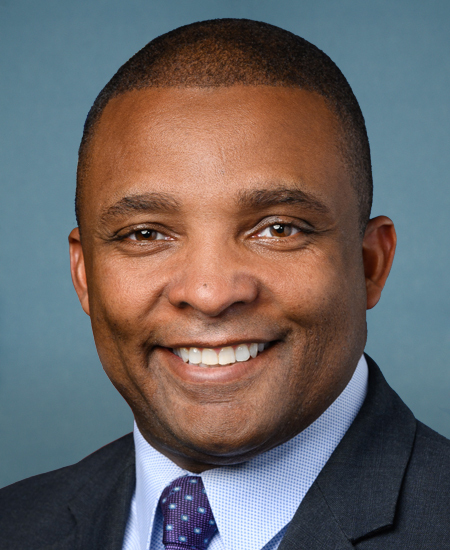
Rep. Donald G. Davis
Sponsored bills
Maddy summaryThis bill creates an exemption from certain physician self-referral rules for specific rural hospitals. It defines a "covered rural hospital" as one located more than 35 miles (or 15 miles in mountainous terrain) from another hospital or critical access hospital, primarily affecting rural facilities in remote areas. The bill also removes restrictions preventing physician-owned hospitals from expanding their services. These changes directly impact rural hospitals meeting the new distance criteria and physicians owning hospitals in those areas, while leaving most existing Medicare self-referral rules unchanged.
Maddy summaryThis bill creates a new Medicare payment model for emergency medical services (EMS) that allows coverage when ambulance providers deliver critical care on-site without transporting patients to a hospital. It directly affects Medicare beneficiaries receiving such on-site emergency care and ambulance providers who would previously not be reimbursed for non-transport services. The key provision requires Medicare to pay for these services at rates matching what would have been paid for transport, based on state protocols and emergency call responses, for a 5-year trial period. A report due 4 years after implementation will evaluate impacts on patient outcomes, system efficiency, and regional access.
Maddy summaryThe Blind Americans Return to Work Act of 2024 creates a 20-year demonstration project to help blind individuals receiving Social Security disability benefits return to work. It modifies how benefits are calculated for eligible participants - those with blindness-related disability benefits who earned income during the first 10 years of the program - by removing standard work-income limits. Specifically, benefits are reduced by $1 for every $2 earned above a threshold (including a set exempt amount and work-related expenses), but never below $0, and benefits won’t terminate due to earnings. Participants may also opt out after 10 years, and the program excludes standard trial work and termination rules.
Maddy summaryHR 8806, the Safeguarding Social Security and Medicare Act, requires the Comptroller General to conduct a study within one year of enactment. The study will examine how inflation and rising costs of living impact Social Security and Medicare benefits, and provide recommendations to Congress on necessary legislative actions. This bill does not change current benefit levels but mandates an analysis to address financial pressures on the 71.7 million Social Security beneficiaries and 66.6 million Medicare beneficiaries. The focus is on gathering data to inform future policy decisions, not on implementing immediate changes.
Maddy summaryHR 8738, the Rural Health Preceptor Tax Fairness Act, provides a $1,000 annual tax credit to eligible health professionals who mentor qualified health students in rural areas. It directly affects licensed providers (including doctors, nurses, psychologists, dentists, and social workers) who supervise students in designated rural health shortage areas or covered rural regions. The credit applies when the fourth week of supervision ends during the tax year, with a maximum $1,000 limit per professional annually. Qualified students must be enrolled in health degree or licensure programs at accredited institutions. The bill aims to incentivize rural clinical training by reducing tax burdens for providers.
Maddy summaryThis bill amends the Social Security Act to update definitions in the Title IV-B child welfare program. It adds "kinship caregivers" (family members caring for children in their home) to the list of eligible caregivers and expands the definition of "youth" to include individuals under age 26. The bill also includes peer-to-peer mentoring programs as a supported service for families navigating the child welfare system. These changes directly affect states receiving Title IV-B funding and the kinship caregivers and youth they serve.
Maddy summaryThis bill requires Medicare Advantage plans to implement electronic prior authorization systems by 2027 and publish detailed data on their approval and denial rates for medical services by 2026. It directly affects Medicare Advantage plans (private insurers offering Medicare coverage) and their enrollees (seniors 65+), mandating transparency about prior authorization decisions, processing times, and appeal outcomes. Key provisions include requiring plans to report annual statistics on request approvals/denials, average processing times, and use of technology, with this data published publicly by the Centers for Medicare & Medicaid Services. The bill also sets timelines for plan responses to prior authorization requests and mandates reports to Congress on implementation and impacts.
Maddy summaryThe DUALS Act of 2024 establishes a new framework for states to create integrated care programs for dual eligible individuals (those who qualify for both Medicare and Medicaid benefits). It requires states to select from published program models to provide comprehensive, fully integrated care with automatic enrollment options for eligible individuals, while setting requirements for care coordination, benefits coverage, and data collection. The bill creates a Federal Coordinated Health Care Office to oversee implementation, sets standards for quality measures, and includes specific provisions to improve access to PACE (Program of All-Inclusive Care for the Elderly) programs. The legislation aims to streamline care coordination between Medicare and Medicaid to improve health outcomes for dual eligible beneficiaries.
Maddy summaryThe Court Improvement Program Enhancement Act of 2024 expands federal funding for state court systems to support technological improvements that prevent disruptions (such as natural disasters, cyber-attacks, or public health crises) and enable remote court proceedings. It specifically requires states to assess and implement best practices for remote hearings in foster care and adoption cases, prioritizing participant engagement and privacy during emergencies. The bill mandates that the federal government issue updated guidelines every five years on conducting remote proceedings, with the first guidelines due by January 2025, including consultation with Indian tribes for cases involving Native children under the Indian Child Welfare Act. Additionally, it increases the annual funding reservation for the Court Improvement Program from $30 million to $40 million.