

Maddy summaryHR 3705 requires the NOAA Under Secretary to improve coastal marine fog forecasts. It directs the collection of more fog observations using buoys, weather stations, vessels, drones, and satellite data, aiming to enhance forecast accuracy and safety for vessels navigating fog-prone coastal waters. The bill mandates better communication of fog advisories and decision support tools for mariners and coastal communities. It also requires stakeholder and tribal engagement in developing the project plan, which must be finalized within one year of the bill's enactment.
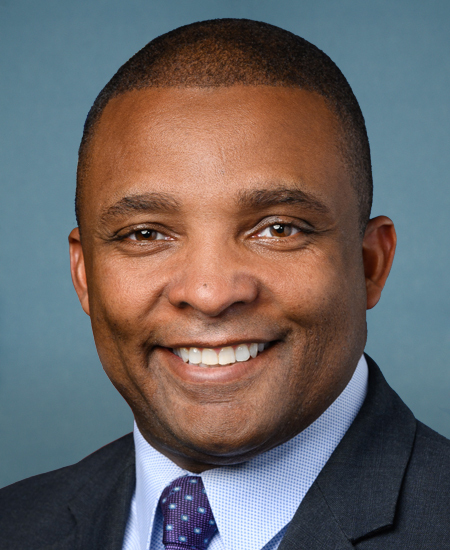
Rep. Donald G. Davis
Sponsored bills
Maddy summaryHR 3885, the Community TEAMS Act of 2025, creates a new grant program to expand medical student clinical training in rural and medically underserved communities. It provides funding for consortia of medical schools partnered with rural health clinics, community health centers, or facilities in underserved areas to support student rotations in outpatient settings. The grants, lasting 1-5 years, require applicants to detail project plans, sustainability, and how the program will improve community access to healthcare. This directly affects medical students, training facilities, and residents of high-need areas by aiming to build a sustainable physician workforce in those locations.
Maddy summaryHRES 483 is a House resolution recognizing the 250th anniversary of the U.S. Army's founding on June 14, 1775. It expresses appreciation for the Army's service over 250 years, honors soldiers' valor and core values, and calls for public observance through ceremonies and activities. The resolution has no policy impact or funding provisions - it is purely commemorative. It was introduced by 30 bipartisan House members and referred to the Armed Services Committee.
Maddy summaryThis bill (HR 3830) authorizes a single gold medal to recognize U.S. citizens who volunteered for service in Canadian and British military forces during World War II, before the U.S. entered the war. It directs the Treasury Secretary to strike the medal and transfer it to the Smithsonian Institution for display and research. The medal would honor veterans who served in units like the Royal Canadian Air Force, RAF Eagle Squadrons, and auxiliary groups such as the Air Transport Auxiliary. Duplicate bronze medals may be sold at cost to cover expenses, but the bill creates no new benefits or financial support for recipients.
Maddy summaryHR 3791, the EMS Counts Act, requires the Bureau of Labor Statistics (BLS) to revise its job classification system to properly count dual-role firefighter/EMTs and firefighter/paramedics as EMS personnel. This directly affects how national workforce data on emergency medical services is collected, correcting a current undercount that excludes these workers. The bill mandates the Secretary of Labor to add specific occupational categories ("Firefighter/EMTs" and "Firefighter/Paramedics") to the BLS system within 120 days of enactment. A report detailing this change and past efforts to improve EMS counting must be submitted to Congress within 270 days. The law aims to ensure accurate data for federal agencies to better address EMS workforce needs during emergencies.
Maddy summaryThis bill directs the Department of Defense to study providing apartment or dormitory housing for civilian workers at four specific naval shipyards: Norfolk (VA), Pearl Harbor (HI), Portsmouth (ME), and Puget Sound (WA). The study must assess costs, recruitment/retention benefits, feasibility at each location, operational impacts, and rent deduction options. It requires a report to Congress within 18 months, but does not authorize or implement housing. The bill affects civilian shipyard workers at these facilities by triggering a federal review of potential housing solutions.
Maddy summaryHR 3783, the Plant Biostimulant Act of 2025, defines "plant biostimulant" as substances or microorganisms that improve plant growth, nutrient use, and stress tolerance without relying on nutrient content. It amends the Federal Insecticide, Fungicide, and Rodenticide Act to create this new category, excluding products primarily intended as nutrients or plant regulators. The bill requires the EPA to update regulations within 120 days and directs the Secretary of Agriculture to conduct a two-year study on how biostimulants improve soil health, reduce runoff, and support climate benefits like carbon sequestration. This directly affects farmers using biostimulants, manufacturers of these products, and federal agencies regulating agricultural inputs.
Maddy summaryHR 3780, the Border Operations Service Medal Act, establishes a new service medal for military personnel who served in designated border security operations between January 1, 2025, and the conclusion of those operations. It directly affects active-duty service members, National Guard, and Reserve personnel who participated in these operations. The bill requires the Secretary of Defense to design and issue the medal within 60 days of enactment, authorizing its wear according to standard military uniform regulations. This is a procedural measure to formally recognize service during specific border operations authorized by the President in January 2025.
Maddy summaryHR 3762, the Supporting Healthy Moms and Babies Act, requires health insurance plans to cover comprehensive prenatal, childbirth, neonatal, perinatal, and postpartum care without cost-sharing (like copays or deductibles). It mandates specific services including ultrasounds, care for pregnancy loss, delivery support, and postpartum behavioral health services for conditions like diabetes or hypertension. The bill applies to group health plans and individual insurance policies starting after the law's enactment, covering both biological mothers and legal parents who did not give birth. This policy directly affects insured individuals seeking maternal and newborn healthcare, ensuring these essential services are fully covered under existing Affordable Care Act requirements.
Maddy summaryHR 649, the Whole Milk for Healthy Kids Act of 2025, amends the National School Lunch Act to allow schools participating in the program to offer students both organic and non-organic whole milk, in addition to reduced-fat, low-fat, and fat-free options. Key provisions include clarifying that milk fat in whole milk should not count toward saturated fat limits for meal compliance, prohibiting schools from purchasing milk from Chinese state-owned enterprises, and ensuring schools cannot be barred from offering the full range of milk types listed. The bill directly affects public and private schools serving the National School Lunch Program by expanding their milk options for students. It focuses on concrete policy changes to dietary offerings and sourcing restrictions within the school nutrition program.