

Maddy summaryHR 2340 imposes a $55 million cap on federal funding for bilateral economic assistance and development credit programs during fiscal year 2024. This restriction applies directly to agencies administering these programs, such as USAID or the State Department. The bill prevents any funds above this limit from being used for these specific types of foreign aid. It does not create new programs but limits existing spending authority for these assistance categories.
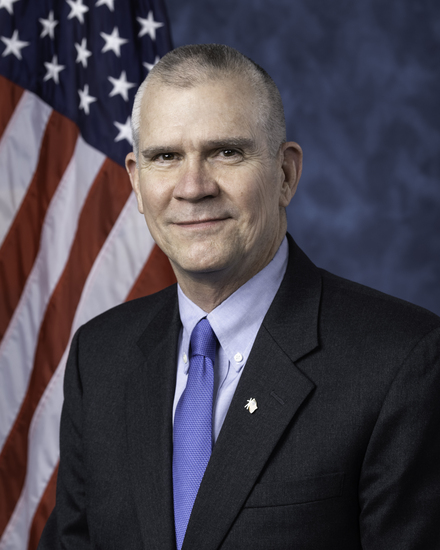
Rep. Matthew M. Rosendale, Sr.
Sponsored bills
Maddy summaryHR 2339 sets a $30 million cap on federal funding for two specific international aid programs during fiscal year 2024: Bilateral Economic Assistance and the Complex Crises Fund. This limit overrides any other law that might authorize higher spending for these programs. The bill directly affects how much money the U.S. government can allocate to these initiatives, which support economic development and crisis response abroad. It establishes a concrete spending restriction without altering program goals or eligibility.
Maddy summaryHR 2338 sets a $30 million spending cap for U.S. foreign economic aid programs (specifically "Bilateral Economic Assistance, Transition Initiatives") in fiscal year 2024. It limits the total funds available for these programs to no more than $30 million, preventing higher appropriations. This bill directly affects the funding level for these international economic assistance programs, not specific countries or recipients. It is a procedural funding restriction without new policy changes.
Maddy summaryHR 2337 sets a spending limit of $3,801,034,000 for bilateral economic aid and international disaster assistance programs in fiscal year 2024. This bill directly affects U.S. agencies like USAID and the State Department that administer these foreign assistance programs. The key provision is a strict cap on available funds, preventing any spending above this amount regardless of other funding authorizations. It does not change eligibility rules or program structure, only restricting the total funding level for these specific aid categories.
Maddy summaryHR 2336 sets a $3 billion cap on funding for U.S. bilateral economic and development assistance programs during fiscal year 2024. This bill directly limits the amount of foreign aid that can be allocated to specific international development and economic support programs. The provision applies to all such programs authorized for FY2024, restricting available funds to no more than $3,000,000,000. It is a procedural funding limit with no additional mechanisms or exceptions described in the text.
Maddy summaryHRES 158 is a resolution requesting the President and directing the Secretaries of Defense and State to provide the House of Representatives with all documents related to U.S. congressionally appropriated funds sent to Ukraine between January 20, 2021, and February 24, 2023. It requires the transmission of communications (including meeting notes, emails, and recordings), financial records, and expenditure details within 14 days of the resolution's adoption. This procedural resolution seeks transparency about how aid was administered, without altering funding or policy.
Let Experienced Pilots Fly Act of 2023 This bill raises the mandatory retirement age for pilots engaged in commercial aviation operations from 65 to 67 years of age, unless the operation takes place in (1) the territorial airspace of a foreign county where such operations are prohibited by the foreign country, or (2) international airspace where such operations are not in compliance with the Annexes to the Convention on International Civil Aviation. The Federal Aviation Administration must also submit a report to Congress on further increasing the age limitation for pilots engaged in commercial aviation operations.
Maddy summaryH.J. Res. 30 seeks to block a Department of Labor rule that would have required retirement plan managers (like those handling 401(k)s) to follow strict "prudence and loyalty" standards when selecting investments and voting on company matters. The rule, published in December 2022, aimed to protect retirement savings by ensuring fiduciaries prioritize participants' interests. This resolution, if passed, would prevent the rule from taking effect, avoiding new compliance requirements for retirement plan managers and sponsors. It directly affects retirement plan administrators and the millions of participants in these plans.
This resolution supports the preservation of the stepped-up basis tax rule that allows recipients of inherited assets such as land, equipment, or buildings to adjust the cost basis of the assets to reflect their fair market value. The resolution opposes any efforts to impose new taxes on family farms or small businesses and recognizes the importance of generational transfers of farm and family-owned businesses.
Science-Based Grizzly Bear Management Act of 2023 This bill directs the Department of the Interior to reissue the final rule relating to removing the Greater Yellowstone Ecosystem population of grizzly bears from the Federal List of Endangered and Threatened Wildlife, published on June 30, 2017 (82 Fed. Reg. 30502), without regard to any other provision of statute or regulation that applies to issuance of such rule. Such reissuance shall not be subject to judicial review. Interior shall issue a final rule removing the Northern Continental Divide Ecosystem population of grizzly bears from the Federal List of Endangered and Threatened Wildlife without regard to any other provision of statute or regulation that applies to the issuance of such rule. Such issuance shall also not be subject to judicial review.