

Maddy summaryHR 2311 sets a spending cap of $562,344,000 for fiscal year 2024 on Department of State funding for international organizations and peacekeeping contributions. This bill directly affects State Department programs that provide financial support to international bodies and peacekeeping operations. The key provision is a strict limit on available funds, preventing these programs from exceeding the specified amount. It is a procedural budgetary measure with no new policy changes.
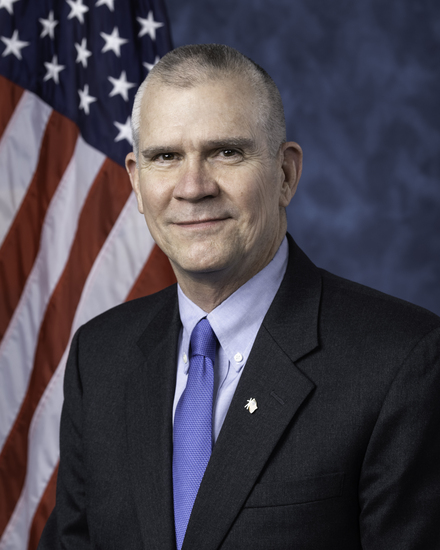
Rep. Matthew M. Rosendale, Sr.
Sponsored bills
This bill specifies that no FY2024 funding is authorized to be appropriated or made available for the Contribution to the International Development Assocation account.
This bill specifies that no FY2024 funding is authorized to be appropriated or made available for the Contribution to the International Bank for Reconstruction and Development account.
This bill specifies that no FY2024 funding is authorized to be appropriated or made available for the Contribution to the Clean Technology Fund account.
Maddy summaryThis bill sets a $1.264 billion funding cap for the Department of State's international contributions in fiscal year 2024. It directly limits how much money can be spent on international organizations and foreign aid through the State Department, overriding other laws that might allow higher spending. The cap applies specifically to funds authorized for "Contributions to International Organizations" within the State Department's budget. This is a procedural budget restriction, not a policy change on international engagement.
Maddy summaryHR 2357 prohibits any funding for the Global Environment Facility (GEF) during fiscal year 2024. The bill explicitly states that no funds may be made available for the GEF, effectively blocking all financial support for this international environmental program in the 2024 budget cycle. This provision directly affects the GEF's operations and its ability to support global environmental projects. The key mechanism is a strict $0 funding limit, overriding any existing authorization for GEF appropriations.
Maddy summaryHR 2356 limits U.S. funding for international organizations and programs to $339 million in fiscal year 2024. This bill directly affects government agencies like the State Department and USAID, which manage foreign aid and international cooperation programs. The key provision is a strict spending cap that overrides other funding authorizations, preventing the use of more than $339 million for these purposes. It does not change existing program requirements but restricts available budgetary resources for international engagement.
Maddy summaryHR 2355 sets a maximum funding limit of $5.96 billion for the Foreign Military Financing (FMF) Program during fiscal year 2024. This bill directly affects the State Department and Defense Department, which administer the FMF program that provides military aid to foreign partners. The key provision is a strict cap on available funds, preventing the allocation of more than the specified amount for this program in FY2024. It does not alter which countries receive aid or change the program's structure, only limiting the total budget authority.
Maddy summaryHR 2354 sets a spending cap of $110.8 million for International Military Education and Training (IMET) programs during fiscal year 2024. This bill directly affects U.S. federal agencies managing IMET funds, which train military personnel from partner countries. The provision limits available funding for these programs without changing the underlying IMET structure or requirements. As a procedural funding measure, it does not alter the scope or eligibility of IMET activities.
Maddy summaryThis bill sets a maximum spending limit of $163,457,000 for the Department of State's Peacekeeping Operations funding in fiscal year 2024. It directly affects the Department of State's budget authority for international peacekeeping activities by restricting available funds to this specific amount. The provision overrides other funding rules to enforce this cap, with no additional policy changes or new requirements for affected programs.