

Maddy summaryHR 9617, the KAMALA Act, prohibits federal housing and community development grants from being used to assist individuals who are not U.S. citizens or lawfully present in the U.S. (specifically, those not admitted for permanent residence under immigration law). This directly affects state and local governments, municipalities, and tribal entities receiving federal housing funds under the Housing and Community Development Act of 1974, preventing them from using those funds for housing or community programs aiding undocumented immigrants. The bill amends two sections of the 1974 Act: it blocks grant funds from assisting undocumented people (Section 105) and bars grants to any recipient entity that provides such assistance (Section 103). These changes apply to all fiscal years starting in 2024 and later.
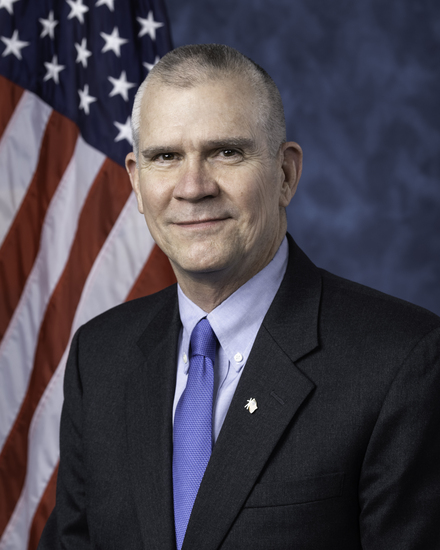
Rep. Matthew M. Rosendale, Sr.
Sponsored bills
Maddy summaryHR 1425, the "No WHO Pandemic Preparedness Treaty Without Senate Approval Act," requires the U.S. Senate to approve any World Health Organization (WHO) pandemic preparedness treaty through a two-thirds vote. The bill deems any convention, agreement, or international instrument on pandemic prevention drafted by the WHO’s International Negotiating Body (INB) as a treaty subject to Senate ratification, rather than allowing it to take effect as an executive agreement. This directly affects U.S. foreign policy implementation regarding WHO agreements, ensuring Congress has a formal role in approving such binding international commitments. The bill stems from congressional concerns about WHO’s pandemic response and public skepticism toward the organization, as outlined in its findings.
Maddy summaryHR 705, the Veterans 2nd Amendment Protection Act, prohibits the Department of Veterans Affairs (VA) from automatically sending veterans' personal information to the national background check system solely because a fiduciary (like a guardian) manages their benefits. It specifically blocks the VA from sharing this data with the Justice Department without a court order finding the veteran a danger to themselves or others. This directly affects veterans who have a fiduciary appointed due to incapacity but are not deemed dangerous, preventing automatic barriers to firearm purchases based only on their fiduciary status. The bill amends 38 U.S.C. § 5501B to require judicial authorization before such data can be transmitted.
Maddy summaryHR 9586 prohibits federal funds from being used to provide or refer for specific medical procedures intended to change a person's physical characteristics to align with their gender identity. It directly affects individuals in U.S. Department of Homeland Security (DHS) or Department of Health and Human Services (HHS) custody, banning federal funding for procedures like hysterectomies, chest implants, puberty blockers, or hormone therapies at supraphysiologic doses. The bill defines "specified gender transition procedures" to include surgeries (e.g., mastectomy, phalloplasty) and certain medications, with "sex" defined by biological factors present at birth. This policy change restricts federal healthcare funding for these specific treatments within immigration and federal detention systems.
Maddy summaryHR 9534, the National Constitutional Carry Act, would prohibit states and localities from banning or restricting the public carrying of legally owned firearms by eligible U.S. citizens. It directly affects all gun owners who meet federal and state possession requirements, removing the need for permits or licenses to carry in public spaces. Key provisions state that any state law restricting public carry - such as requiring permits or imposing financial barriers - would be invalidated, with exceptions for privately-owned businesses that clearly prohibit firearms or locations with security screening. The bill bases this on Supreme Court rulings affirming the constitutional right to carry firearms for self-defense outside the home.
Maddy summaryHR 8282, the "Illegitimate Court Counteraction Act," imposes U.S. sanctions on foreign individuals or entities supporting the International Criminal Court (ICC) in investigating or prosecuting "protected persons." Protected persons include U.S. military personnel, officials, and allied personnel (from non-ICC member countries) who are not under ICC jurisdiction. The bill requires the President to block assets and deny visas to targeted foreign persons and their immediate family members within 60 days of the ICC attempting such actions. It mandates congressional notification of sanctions and allows termination if the ICC ceases all such efforts against protected persons. The law focuses on restricting U.S. economic and travel access to ICC supporters targeting specific U.S. and allied personnel.
Maddy summaryThis bill requires the Council on Environmental Quality to annually publish detailed reports starting in 2024, tracking how the National Environmental Policy Act (NEPA) impacts federal projects. The reports will include data on lawsuits challenging NEPA compliance (listing agencies and case outcomes), the length of environmental impact statements (page counts over 5 years), and timelines for completing environmental reviews (over 10 years). These reports must be publicly available with underlying data, directly affecting federal agencies that manage NEPA reviews and providing transparency for Congress and the public. The bill focuses on collecting factual data about NEPA's implementation, not changing the law itself.
Maddy summaryThis bill amends an existing reporting requirement in the 2023 National Defense Authorization Act. It changes the provision to require the Department of Homeland Security to submit annual reports on counter-illicit cross-border tunnel operations, rather than just one report after developing a strategic plan. The bill does not create new programs or alter border security policy; it only modifies the frequency of required reporting. This procedural change directly affects the Department of Homeland Security's reporting obligations.
Maddy summaryHRES 1425 is a non-binding resolution (not a law) passed by the House of Representatives. It states that requiring valid photo identification for voting is a "fundamental component of secure elections," citing examples where photo ID is already required for other government services (like Social Security or banking) and private activities (like buying a car or boarding a plane). The resolution does not create new voting requirements or change election laws - it only expresses the House's position. It directly affects the legislative record but has no legal impact on voter eligibility or election procedures.
Maddy summaryHJRES 167 cancels a U.S. Department of Agriculture rule that would have allowed electronic eartags as official identification for cattle and bison. The resolution directs that the rule published in the Federal Register on May 9, 2024 (89 Fed. Reg. 39540), has no force or effect. This directly affects ranchers and farmers who would have been required to use electronic identification systems for livestock. The bill halts the implementation of this specific regulatory change without creating new requirements.