

This bill limits FY2024 funding for the National Institutes of Health for the CURES Act Innovation Account. (This account provides multiyear funding for specific scientific initiatives, including the Brain Research through Advancing Innovative Neurotechnologies (BRAIN) Initiative and the Cancer Moonshot.)
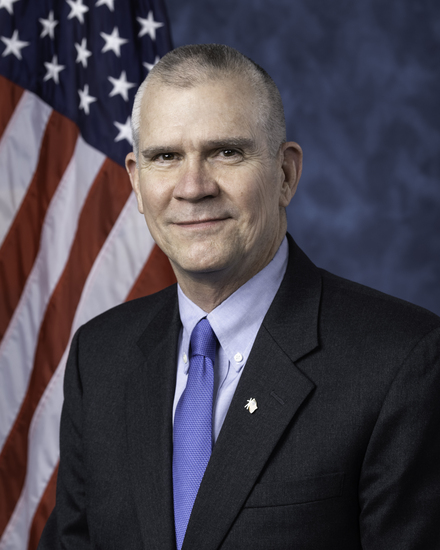
Rep. Matthew M. Rosendale, Sr.
Sponsored bills
Maddy summaryHR 1977 sets a funding cap of $461,781,000 for the National Institutes of Dental and Craniofacial Research (NIDCR) within the National Institutes of Health (NIH) for fiscal year 2024. This bill directly limits the amount of federal funds the NIDCR can use for its operations and research during that fiscal year. The provision prevents the NIDCR from accessing more than this specific amount, regardless of other authorized appropriations. It affects the NIDCR’s budget authority but does not create new programs or alter existing research priorities.
Maddy summaryHR 2000 sets a spending limit of $200 million for the National Institutes of Health (NIH) Buildings and Facilities account during fiscal year 2024. This bill directly affects NIH's ability to fund construction, renovation, or maintenance of its physical facilities by restricting available funds to this specific cap. The key provision is a strict annual limit on appropriations for NIH infrastructure, preventing higher funding levels without additional legislative action. This is a procedural budget measure with no direct impact on healthcare programs or beneficiaries.
Maddy summaryHR 1989 sets a funding limit of $525,591,000 for the National Institute on Alcohol Abuse and Alcoholism (NIAAA) within the National Institutes of Health (NIH) for fiscal year 2024. This bill directly affects the NIAAA's budget authority by restricting the total amount of funds it can receive from Congress during that fiscal year. The key provision is a strict cap on available funds, preventing any additional appropriations beyond the specified amount. This is a procedural budget measure, not a policy change affecting alcohol abuse research programs or services.
Maddy summaryThis bill (HR 1985) sets a strict spending limit for the National Institute on Aging (NIA), part of the National Institutes of Health under the Department of Health and Human Services, for fiscal year 2024. It prohibits the use of funds exceeding $3,083,410,000 for the NIA's activities during that fiscal year. The bill directly affects the NIA's budget allocation and operational funding for research and programs related to aging. This is a procedural budget restriction with no additional policy provisions or mechanisms beyond the specified funding cap.
Maddy summaryThis bill limits funding for the Treasury Department's Committee on Foreign Investment in the United States (CFIUS) to $20 million for fiscal year 2024. It prevents the committee from using more than this specified amount from any authorized appropriations. The restriction directly affects CFIUS's budget for reviewing foreign investments but does not alter its review processes or authority.
Maddy summaryThis bill sets a strict annual funding limit of $774,707,000 for the National Institute of Environmental Health Sciences (NIEHS) within the National Institutes of Health (NIH) for fiscal year 2024. It directly affects the NIEHS by restricting its available budget authority for that year, preventing it from accessing funds above this specified amount. The key provision is a hard cap on funding, meaning no additional appropriations can be allocated to the NIEHS for FY2024 beyond this figure. This is a purely fiscal limitation with no changes to program scope or operations.
Maddy summaryThis bill (HR 2008) sets a maximum funding limit of $3,690,304,000 for the Low Income Home Energy Assistance Program (LIHEAP) under the Department of Health and Human Services for fiscal year 2024. It directly affects households eligible for energy bill assistance through LIHEAP by restricting the total available federal funds for the program. The key provision is a strict cap on spending, preventing the program from exceeding this specific dollar amount. This is a budgetary limitation only, not a change to eligibility rules or program structure. The bill does not alter who qualifies for help or how the program operates.
Maddy summaryHR 1983 sets a spending cap of $796,536,000 for the National Eye Institute (NEI) within the National Institutes of Health (NIH) under the Department of Health and Human Services for fiscal year 2024. This bill directly affects the NEI's budget allocation by limiting available funds to this specific amount. The key provision is a statutory cap that prevents the NEI from accessing more than the specified sum for its operations during FY2024. It is a procedural budget measure with no additional policy provisions or direct impact on public programs or individuals.
Maddy summaryHR 1982 sets a maximum funding limit of $1.5 billion for the Eunice Kennedy Shriver National Institute of Child Health and Human Development (NICHD) within the National Institutes of Health for fiscal year 2024. This bill directly affects the NICHD’s budget authorization by preventing it from receiving more than the specified amount. The provision is a straightforward budgetary constraint, not a policy change to research programs or services. It applies solely to the NICHD’s fiscal year 2024 funding allocation.