

Maddy summaryHRES 1176 is a House resolution expressing disapproval of the Biden administration's Columbia Basin Restoration Initiative, formalized in a December 14, 2023, memorandum of understanding (MoU) with multiple stakeholders. The resolution cites the 4 Lower Snake River dams' critical role in providing carbon-free energy for 1.8 million homes, generating over 1,000 megawatts of power, supporting 40-60% of U.S. wheat exports, and moving 50-60 million tons of annual cargo. It argues the dams should not be breached, disapproves of the administration's commitments in the MoU, and states those commitments depend on unsecured congressional funding. This resolution does not alter policy but formally opposes the initiative through a statement of congressional disapproval.
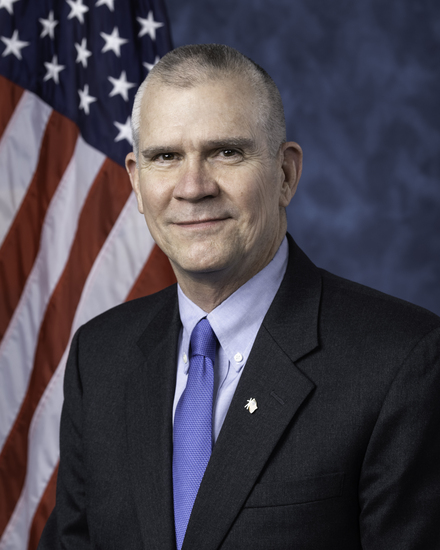
Rep. Matthew M. Rosendale, Sr.
Sponsored bills
Maddy summaryThis bill ties U.S. economic aid to El Salvador, Guatemala, and Honduras to the reestablishment of specific asylum cooperation agreements. It blocks funds for bilateral economic assistance to these countries until the Secretary of State certifies that new agreements with substantially similar terms to the 2019-2021 agreements (terminated in 2021) are in force. The Secretary must recertify these agreements every 180 days, and failure to do so maintains the aid restriction. The bill also requires implementation of an existing interim rule on asylum agreements and prohibits U.S. officials from granting asylum or allowing individuals to stay in the U.S. based on conditions in these countries (like gang violence or climate disasters). It directly affects U.S. foreign aid disbursement and the governments of the three Northern Triangle nations.
Maddy summaryHR 8051, the Earmark Elimination Act of 2024, prohibits the House of Representatives from considering any bill, amendment, or conference report containing a congressional earmark, limited tax benefit, or limited tariff benefit. This directly affects lawmakers who attempt to include specific spending requests for particular projects, entities, or small groups of beneficiaries (e.g., a grant for a single local project or a tax break for 10 or fewer companies). The bill establishes a procedural rule where a point of order can be raised to strike such provisions from a measure if sustained by the House. It defines "earmarks" as targeted spending requests made at a member’s request, excluding those from formula-driven processes, and similarly defines limited tax/tariff benefits affecting few beneficiaries.
Maddy summaryHR 5947 terminates specific U.S. waivers and licenses related to Iran, ending a 2023 waiver that allowed funds transfer from South Korea to Qatar. It prohibits the Treasury Department from reissuing similar waivers or licenses for the same purpose and blocks the President from granting Iran access to certain designated financial accounts established under prior laws. The bill directly affects U.S. foreign policy implementation by restricting how Treasury handles Iran-related financial transactions. It enacts concrete policy changes by ending existing authorizations and preventing future approvals for Iran to access specific accounts.
Maddy summaryHRES 863 is a formal resolution introduced by Representative Marjorie Taylor Greene impeaching Secretary of Homeland Security Alejandro Mayorkas. It alleges Mayorkas violated his constitutional duty by failing to secure the border, citing specific claims including approximately 10 million border encounters, 400,000 unaccompanied children, and the presence of individuals from nations linked to terrorism. The resolution asserts these failures breached the Secure Fence Act, the Guarantee Clause of the Constitution, and immigration laws, and cites rising fentanyl seizures and border-related deaths as evidence. This resolution, referred to the House Homeland Security Committee, formally charges Mayorkas with "high crimes and misdemeanors" for impeachment proceedings.
Maddy summaryThis bill prohibits the use of federal funds to establish, implement, or enforce any requirement for wearing facial coverings to prevent COVID-19 spread. It directly affects federal agencies and any entities receiving federal funding that might enforce mask mandates. The key provision blocks all federal financial support for mask mandate enforcement, meaning no government money could be used to require or support such rules. This is a funding restriction, not a ban on mask mandates themselves, and applies only to federal resources.
Maddy summaryThis bill would terminate 39 federal diversity, equity, and inclusion offices across multiple departments, including the State Department, Treasury, Health and Human Services, and Agriculture. It specifically prohibits cabinet-level agencies from developing or maintaining any diversity-related initiatives or plans. The law would take effect immediately upon enactment, eliminating these offices without requiring new funding or implementation steps. This is a structural change to federal agency operations, directly affecting how government departments manage workforce diversity programs.
Maddy summaryH.J.Res. 116 seeks to block a Department of Labor rule finalized on January 10, 2024, which aimed to clarify how businesses classify workers as employees or independent contractors under the Fair Labor Standards Act (FLSA). If passed, this resolution would prevent the rule from taking effect, directly affecting businesses that use independent contractors and their workers, who rely on FLSA protections for minimum wage and overtime pay. The bill uses a specific congressional process (under Chapter 8 of Title 5, U.S. Code) to disapprove the rule, rather than creating new policy. This action would maintain the existing classification standards until a new rule is established.
Maddy summaryHR 7873, the Firearm Due Process Protection Act, directly affects individuals denied firearm purchases through the National Instant Criminal Background Check System (NICS). The bill requires courts to hold hearings on challenges to NICS denials within 30 days and shifts the burden to the government to prove eligibility by "clear and convincing evidence." It also mandates annual FBI reports to Congress detailing the number of challenges processed, reversals of denials, and processing times. These provisions aim to expedite due process for people seeking to correct inaccurate NICS records affecting their firearm rights.
Maddy summaryHR 661, "Sarah’s Law," requires U.S. immigration authorities to detain certain immigrants charged with crimes causing death or serious injury. It applies to immigrants who entered without proper inspection, held revoked temporary visas, or fall under specific deportation categories, and who face charges for violent crimes. The bill mandates that immigration officials notify victims or their families (like parents or spouses) about the immigrant’s identity, immigration status, custody details, and removal efforts. This law does not change existing victim rights but adds specific notification requirements for these cases.