

Maddy summaryHR 4963, the Tax Fairness for Workers Act, would restore tax deductions for certain employee expenses. It creates an above-the-line deduction for union dues and expenses paid by wage-earning employees, and allows miscellaneous itemized deductions for other work-related expenses (like uniforms or supplies) that were previously disallowed after 2017 tax law changes. These provisions directly affect employees who pay union dues or incur qualifying job-related costs. The bill amends specific sections of the Internal Revenue Code to make these deductions available for taxable years beginning after December 31, 2022. It does not change tax rates or provide new benefits, only reinstating previously eliminated deductions for eligible workers.
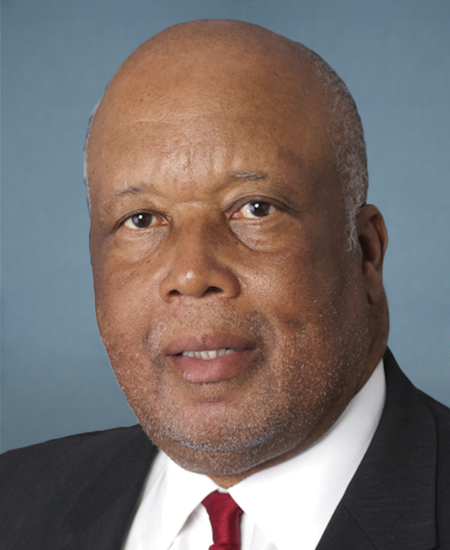
Rep. Bennie G. Thompson
Sponsored bills
Maddy summaryThe Rebuild America's Schools Act of 2023 creates a $20 billion annual federal grant program to fund long-term improvements to public school facilities across the United States. It requires states to prioritize school districts serving high-poverty students (with high percentages of students eligible for free/reduced lunch) and those with deteriorating infrastructure, while mandating that recipient schools develop 10-year facilities master plans. The bill specifies that funds must be used for construction, renovation, and modernization projects that improve energy efficiency, address environmental health hazards (including lead, asbestos, and poor air quality), and ensure school safety, while requiring the use of American-made materials for construction projects.
Maddy summaryThe Break the Cycle of Violence Act establishes federal grants to fund community-based violence intervention programs in areas disproportionately affected by gun violence, particularly communities of color. It authorizes $300 million for 2024, increasing to $700 million annually through 2031, for evidence-informed strategies including trauma-responsive care, violence interruption, and economic opportunities for opportunity youth (ages 16-25 not in school or employment). The bill requires grantees to implement culturally competent services targeting individuals at high risk of violence or victimization, with a focus on reducing gun violence without contributing to mass incarceration. It creates a National Community Violence Response Center to coordinate data collection, research, and best practices for community violence prevention. The legislation also includes provisions for job training and workforce development programs through the Department of Labor to connect opportunity youth with in-demand occupations.
Maddy summaryHR 4965, the Kimberly Vaughan Firearm Safe Storage Act, requires the Attorney General to create voluntary best practices for safe firearm storage in homes, businesses, vehicles, and other locations within 180 days of enactment, with public input. Starting January 1, 2025, firearm manufacturers must include a "SAFE STORAGE SAVES LIVES" notice with each new handgun, rifle, or shotgun, directing buyers to the public website with these guidelines. The bill also establishes a $10 million annual grant program for states and tribes to fund public programs distributing safe firearm storage devices (like locked containers) and requires grantees to use at least 75% of funds for these programs. It does not mandate storage for individuals but provides resources and information to promote safer practices.
Maddy summaryHR 4893, the Scientific Integrity Act, requires federal agencies that fund, conduct, or oversee scientific research to adopt policies preventing political interference in science. The bill mandates these agencies to prohibit suppression or distortion of research findings, establish Scientific Integrity Officers to enforce policies, and implement training and reporting systems. It directly affects scientists and engineers employed by or contracted with covered agencies (like the EPA or NIH), ensuring their work remains free from political pressure. Key mechanisms include annual public reporting on misconduct complaints, whistleblower protections, and requiring scientific conclusions to be based on evidence, not ideology.
Maddy summaryHR 4889, the Raise the Wage Act of 2023, would gradually increase the federal minimum wage for most workers to $15.50 per hour by 2027, with specific annual targets: $9.50 starting in 2023, rising to $11.00 after one year, $12.50 after two years, and $15.50 after four years. It would also phase out the separate lower minimum wage for tipped employees (starting at $6.00/hour) by aligning their pay with the regular minimum wage by 2028, while requiring employers to let workers keep all tips. The bill includes similar phased increases for workers under 20 and transitions toward fairer wages for workers with disabilities under special certificates, which would sunset after 2028. Future annual increases after 2028 would tie the minimum wage to the median hourly wage of all workers.
Maddy summaryHR 4769, the PFAS Alternatives Act, funds research and training to develop PFAS-free turnout gear for firefighters. It authorizes $25 million annually (2024-2028) for grants to eligible organizations to research, develop, and test next-generation gear without per- and polyfluoroalkyl substances (PFAS), which are linked to firefighter cancer risks. The bill requires partnerships with firefighting organizations to ensure research translates into practical training and gear care guidance, including decontamination protocols. It also allocates $2 million yearly for training programs on proper gear use and maintenance, aiming to reduce exposure to hazardous chemicals during fire operations.
Maddy summaryHR 4812, the Food for Thought Act of 2023, provides federal grants to eligible colleges and universities to offer free on-campus meals to low-income students. The bill targets institutions with high Pell Grant enrollment (at least 30% of undergrads), prioritizing community colleges, minority-serving institutions, and those in areas with high need. Participating schools must provide 1-10 free meals weekly to students facing food insecurity, with priority given to those with greatest financial need, and must report on student outcomes like retention and graduation rates. Grants cover meal costs, campus food pantries, and SNAP enrollment support, with funds allocated for 5 years and requiring detailed reporting on program impact.
Maddy summaryH.J.Res. 25 would remove the 1979 deadline for states to ratify the Equal Rights Amendment (ERA), which was originally proposed in 1972. This bill directly affects states that ratified the ERA after the deadline (such as Nevada, Illinois, and Virginia in 2017-2018) by making their ratifications legally valid. The key provision states that the ERA is valid as part of the Constitution if ratified by three-fourths of states, regardless of the original deadline. The bill does not create new rights but aims to finalize the constitutional amendment process by eliminating the time limit.
Maddy summaryThis bill, HR 1282 (Major Richard Star Act), expands benefits for certain military retirees by allowing them to receive both veterans' disability compensation and military retirement pay simultaneously. It specifically affects combat-related disabled retirees under Chapter 61 of the military retirement system who have fewer than 20 years of service. The key change removes the automatic reduction of military retirement pay when these retirees also receive disability compensation, as amended in Section 1413a(b)(3) of Title 10. Technical updates to the law’s structure and effective date (starting after enactment) complete the provisions.