

Maddy summaryThis bill extends Medicare payment adjustments for physicians and other practitioners through 2025 instead of ending in 2024. It specifically adds a 4.73% payment increase for services provided between January 1, 2025, and January 1, 2026. The legislation modifies existing Medicare payment rules to stabilize practice revenues during transition periods. It directly affects doctors and healthcare providers who bill Medicare for patient services. The key change is the extended timeframe and the defined 4.73% rate for the 2025-2026 period.
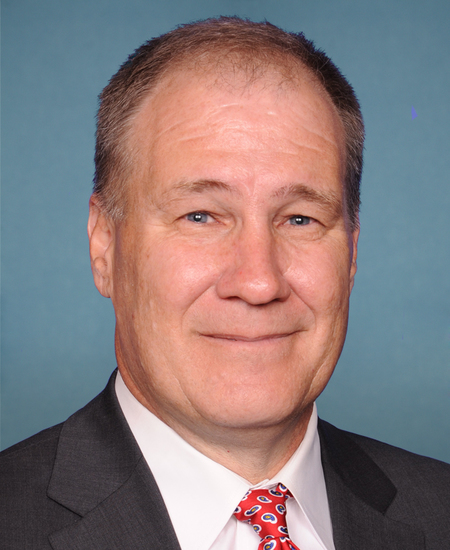
Rep. Trent Kelly
Sponsored bills
Maddy summaryHR 7427 clarifies that states may use Temporary Assistance for Needy Families (TANF) funds to support pregnancy centers and other "alternatives to abortion" programs that provide life-affirming services like counseling, parenting resources, and material support to pregnant individuals. The bill explicitly defines these programs as those promoting childbirth over abortion through services such as prenatal care coordination, job training, infant supplies, and adoption referrals, while excluding entities that provide or facilitate abortions. It also prohibits federal discrimination against grantees or states that fund such programs, including preventing the government from imposing unfair requirements or cutting funding based on a provider's opposition to abortion. This bill directly affects pregnancy centers, adoption agencies, and maternity homes receiving TANF funding, ensuring their eligibility under existing federal law. The legislation responds to a 2023 federal proposal that threatened to restrict such funding.
Maddy summaryThis bill establishes an Agricultural Trade Enforcement Task Force to address foreign trade barriers harming U.S. agricultural exports, specifically targeting India's WTO-violating price support programs for rice, wheat, and other commodities. The Task Force, led by the U.S. Trade Representative and Agriculture Department, must identify systemic trade barriers, develop enforcement strategies, and file a WTO dispute against India within 60 days of consultations if needed. It requires quarterly reports to Congress on progress, including a specific plan to challenge India's subsidies that exceed WTO limits (e.g., rice supports at 93.9% of production value). The bill directly affects U.S. farmers, ranchers, and exporters who face market access barriers due to these foreign subsidies.
Maddy summaryThis bill establishes "cottage family homes" as a new foster care placement option under federal law. It defines cottage homes as licensed residences caring for up to 2 children per bedroom (with exceptions), requiring trauma-informed care, prohibiting most restraints, and mandating systems for children to report concerns. The bill directly affects foster children placed in these homes and state child welfare agencies, by making cottage homes eligible for federal foster care maintenance payments without time limits. Key provisions include requiring states to adopt the new definition, allowing states flexibility in how they classify these homes, and ensuring children in cottage homes receive the same care standards as those in traditional foster placements.
Maddy summaryHR 3611, the Kazakhstan Permanent Normal Trade Relations Act of 2023, makes Kazakhstan's existing "normal trade relations" (NTR) status permanent by removing the need for annual U.S. presidential reviews under the Trade Act of 1974. This bill directly affects U.S. trade policy with Kazakhstan, ending the requirement for the President to annually determine whether Kazakhstan meets emigration freedom standards (which it has satisfied since 1997). The key provision allows the President to formally extend permanent NTR treatment to Kazakhstan's products, eliminating the current annual review process. Once enacted, Kazakhstan would automatically receive the same most-favored-nation tariff rates as other NTR countries, streamlining trade without further congressional action.
Maddy summaryThis bill prohibits federal funding for gender transition procedures - including hormone therapy, puberty blockers, and surgeries like genital reassignment - across all federal programs and health plans. It exempts procedures for medical conditions (such as disorders of sex development) and treatment of complications arising from such procedures. The bill also blocks Affordable Care Act premium tax credits and cost-sharing reductions for health plans covering these services, though individuals may purchase separate non-federal-funded coverage. State and private insurers can still offer such coverage using their own funds, but federal subsidies cannot be applied to it.
Maddy summaryThis bill would require Medicare to cover FDA-approved blood tests that screen for multiple cancers simultaneously (like breast, lung, or colorectal cancer) for beneficiaries. It directly affects Medicare recipients aged 65+ who could access these new screenings once per year, without prior authorization. The key provision adds "multi-cancer early detection screening tests" to Medicare's covered services under Part B, defining them as blood tests analyzing cell-free DNA, while maintaining existing coverage for standard screenings like mammograms. The bill does not change current coverage for individual cancer screenings but ensures Medicare keeps pace with new medical technology.
Maddy summaryHR 1755 allows the U.S. President to grant Uzbekistan permanent normal trade relations (NTR) status, removing special tariffs on Uzbek exports entering the U.S. market. It terminates the requirement for annual U.S. reviews of Uzbekistan's trade status under a 1974 law. The change takes effect only after Uzbekistan joins the World Trade Organization (WTO). This directly affects Uzbekistan's exporters by enabling their goods to enter the U.S. under standard tariff rates.
Maddy summaryHR 1610 would modernize Medicare coverage for chiropractic care by removing the current restriction that limited beneficiaries to one chiropractic service per visit. It expands coverage to include all services provided by licensed chiropractors within their state-authorized scope, aligning Medicare with VA, military, and private insurance practices. The bill requires chiropractors to complete a Secretary-approved educational webinar to cover non-spinal services, while still allowing payment for spinal manipulation treatments without this requirement. This directly affects Medicare beneficiaries seeking chiropractic care and chiropractors seeking Medicare reimbursement for their services.
Maddy summaryHR 1401, the END FENTANYL Act, requires U.S. Customs and Border Protection (CBP) to review and update its field inspection manuals at least every three years. This ensures CBP's border inspection practices consistently address new smuggling methods used to hide drugs like fentanyl and human trafficking. The bill mandates that CBP submit reports to specific congressional committees after each update, detailing the changes made to inspection policies. This directly affects CBP officers and border security operations by standardizing how they detect and respond to evolving smuggling tactics.