

Safe Schools Improvement Act This bill requires states to direct their local educational agencies (LEAs) to establish policies that prevent and prohibit bullying and harassment of elementary and secondary school students. In particular, these policies must prohibit bullying and harassment based on race, color, national origin, disability, religion, or sex. Sex includes sexual orientation, gender identity, and sex characteristics (including intersex traits). Further, LEAs must provide (1) students, parents, and educational professionals with annual notice of the conduct prohibited in their disciplinary policies; (2) students and parents with grievance procedures that target such conduct; and (3) the public with annual data on the incidence and frequency of that conduct at the school and LEA level. The Department of Education must conduct and report on an independent biennial evaluation of programs and policies to combat bullying and harassment in elementary and secondary schools. The National Center for Education Statistics must collect state data to determine the incidence and frequency of the conduct prohibited by LEA disciplinary policies.
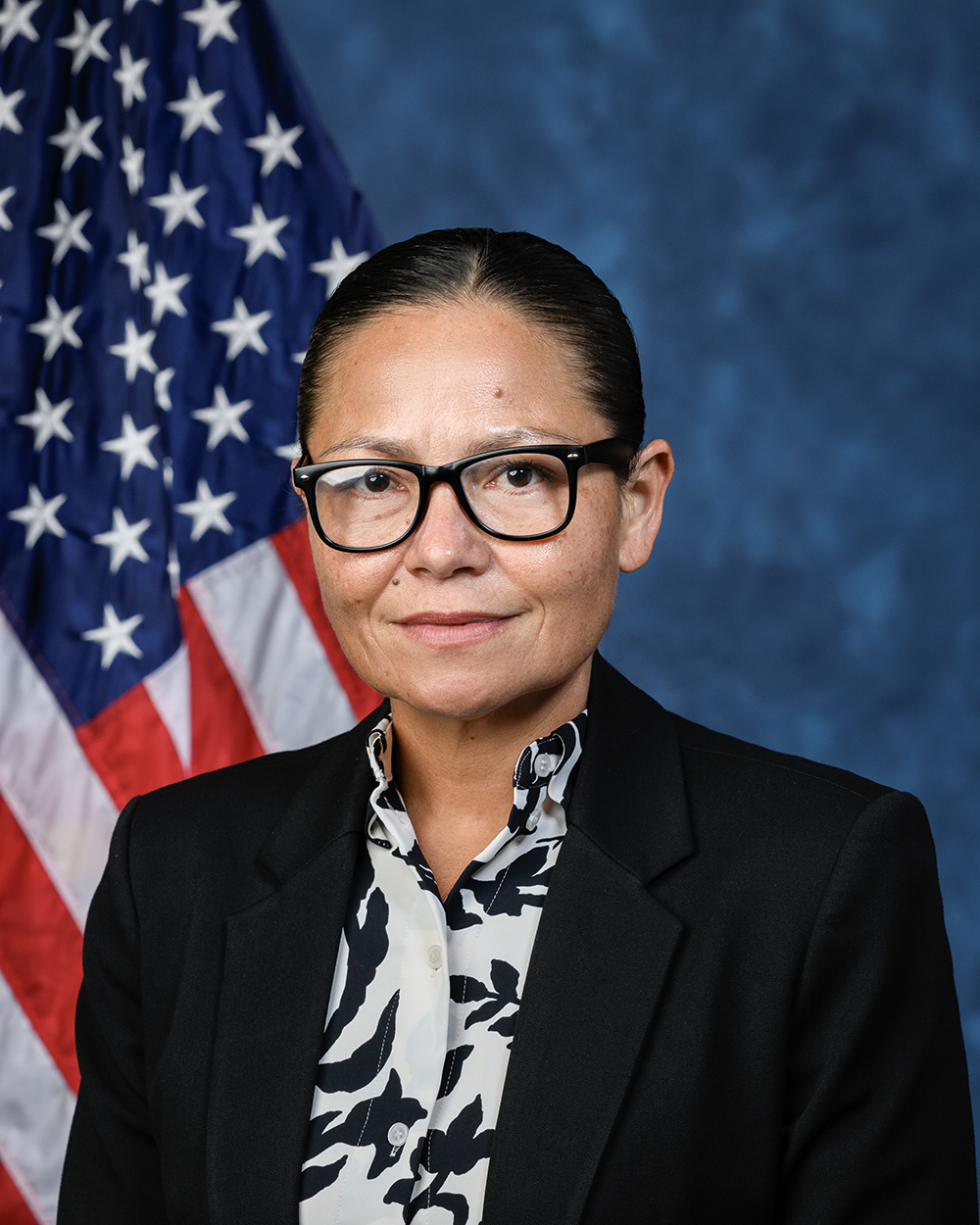
Rep. Kimberlyn King-Hinds
Sponsored bills
Maddy summaryThe Pacific Island Flight Alternatives Act of 2025 (PIFAA) would update federal aviation rules to allow airlines from Japan, the Philippines, and South Korea to operate more direct flights between Guam, the Northern Mariana Islands, and the U.S. It clarifies that adding or removing passengers in Guam or the Northern Mariana Islands during a flight between the U.S. and other Pacific destinations does not break the international journey for these carriers. This change aims to increase competition on routes currently dominated by limited U.S. carriers, potentially lowering travel costs for residents. The bill specifically applies to foreign airlines from those three nations that already hold permits under existing U.S. aviation regulations.
Maddy summaryHR 1273 creates a national registry for Korean Americans separated from family members in North Korea after the 1953 Korean War Armistice. The State Department will collect family information to organize future reunions (in-person or via video) in the U.S., South Korea, or third countries, and maintain a private internal database of affected families. The bill requires the State Department to prioritize family reunions in U.S.-North Korea talks, consult with South Korea, and submit annual reports to Congress on registry status, reunion participation, and North Korea's cooperation. It directly affects Korean Americans with living relatives still in North Korea who seek reunification.
Maddy summaryHR 1189, the National Plan for Epilepsy Act, creates a coordinated federal strategy to address epilepsy through a National Plan for Epilepsy. The plan requires the Secretary of Health and Human Services to establish an annual assessment, maintain a diverse Advisory Council (including people with epilepsy, caregivers, and experts), and coordinate research and care across federal agencies. Key provisions include annual progress reports to Congress, data sharing between agencies, and recommendations to improve diagnosis, treatment access, and reduce epilepsy-related disparities. The plan expires December 31, 2035, and directly affects the estimated 3.4 million people in the U.S. living with epilepsy and their caregivers.
Maddy summaryHR 1076, the WARN Act, requires the Comptroller General to study how well local, state, and federal emergency alert systems share timely weather emergency information during events like storms or power outages. The study will examine alert methods (including social media), the clarity of public messages, and outdoor siren systems, using feedback from emergency managers and community groups. It mandates a report to Congress within 18 months of enactment, focusing on identifying improvements to alert systems for public safety. The bill itself does not change existing policies but directs a review to inform future emergency communication strategies.
Maddy summaryHR 1053, the Filipino Veterans Family Reunification Act of 2025, exempts certain family members of eligible Filipino veterans from annual U.S. immigrant visa limits. It directly affects adult children and spouses of Filipino veterans who served in U.S. military during WWII and were naturalized under two specific historical programs: the 1940 naturalization law for WWII veterans or the 1990 Immigration Act provision. The bill adds a new exemption to the Immigration and Nationality Act, allowing these family members to qualify for visas under existing categories (like family-based preference categories) without competing for limited annual visa numbers. This change aims to streamline family reunification for descendants of veterans who met the historical naturalization criteria.
Maddy summaryThe Patriot Day Act (HR 911) designates "Patriot Day" as a federal holiday by adding it to the list of designated holidays in Title 5 of the U.S. Code. This change would require federal offices to close on Patriot Day, aligning it with other federal holidays like Labor Day. The bill does not establish a specific date for the holiday or alter existing holiday observances. It is a procedural measure to formally recognize Patriot Day as a day for federal holiday closure.
Maddy summaryThis resolution expresses the House of Representatives' position that Congress should take steps to prevent the privatization of the United States Postal Service (USPS), ensuring it remains a federal independent agency. It highlights USPS’s constitutional role, self-sustaining nature (relying on service revenue, not taxpayer funds), and critical functions - serving 168 million addresses daily, supporting rural communities, and underpinning e-commerce. The resolution opposes privatization, noting it would raise prices, reduce services, and harm the $1.9 trillion mailing industry. As a non-binding resolution, it reflects the House’s stance but does not create new law or policy.
Beaches Environmental Assessment and Coastal Health Act of 2025 or the BEACH Act of 2025 This bill reauthorizes through FY2029 and expands an existing program of the Environmental Protection Agency (EPA) that awards grants to states and local governments to (1) monitor the water quality of coastal recreational waters adjacent to beaches or similar points of access that are used by the public; and (2) notify the public, local governments, and the EPA when the water is not safe for recreational activities. Specifically, the bill expands the program to allow the EPA to award grants for identifying sources of contamination (i.e., pathogens) for coastal recreation waters. It also allows grants to be used for monitoring and notification of contamination in (1) shallow waters upstream from recreational waters, and (2) recreational waters on beaches.
Maddy summaryHR 380, the Affordable Shipping for All Act, prevents shipping companies (including the USPS) from charging higher fees to ship products to Alaska, Hawaii, Puerto Rico, Guam, and other U.S. territories than to locations within the contiguous 48 states and DC. It requires shipping services to include all noncontiguous areas in their standard shipping policies and prohibits excluding these areas. The bill exempts high-value items over $10,000 from these requirements. This directly affects consumers and businesses in noncontiguous areas by ensuring they pay the same shipping rates as mainland customers for standard products.