

Maddy summaryThe Essential Caregivers Act of 2024 requires nursing homes and similar facilities to allow residents to designate essential caregivers who provide emotional support or assistance with daily activities. During emergencies when regular visitation is restricted, facilities must permit at least one essential caregiver access to residents daily and cannot deny access without following specific procedures. Facilities may deny access for a maximum of 7 days during emergencies (or 14 days with state approval), and must provide a written explanation and appeal process if access is denied. The bill establishes a 48-hour appeal process for residents and caregivers to challenge denials, with facilities required to prove violations during appeals. This law applies to Medicare skilled nursing facilities, Medicaid nursing facilities, intermediate care facilities, and certain inpatient rehabilitation facilities.
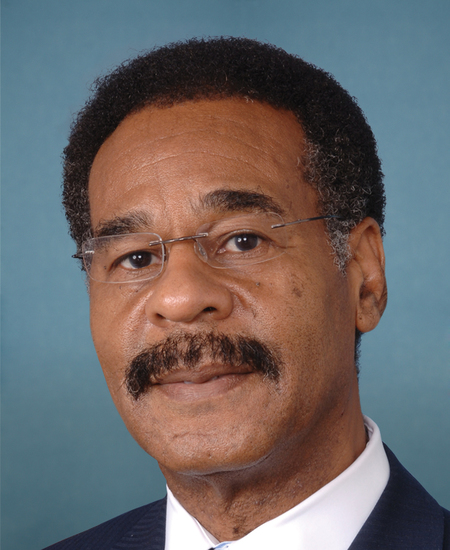
Rep. Emanuel Cleaver
Sponsored bills
Maddy summaryThe SOAR Act of 2024 removes supplemental oxygen and related equipment, supplies, and services from Medicare's competitive bidding program, ensuring direct Medicare payment for these items starting in 2025. It establishes new payment rates for oxygen services, including specific rates for rural areas and liquid oxygen with annual inflation adjustments, and requires oxygen suppliers to provide specific services like initial evaluations, safety education, and 24-hour coverage. The bill also adds respiratory therapist services to Medicare coverage with a new payment add-on, requires electronic templates for documenting medical necessity for oxygen services, and establishes new beneficiary rights including the right to choose suppliers and receive timely equipment repairs. This legislation directly affects Medicare beneficiaries requiring oxygen therapy, oxygen suppliers, and respiratory therapists by changing how these services are paid for and delivered.
Maddy summaryThis bill (HR 7397) would define "essential health system" in federal law to specifically include certain hospitals serving high numbers of low-income patients. It targets non-Federal, non-profit hospitals that meet one of three criteria: having Medicaid disproportionate share status, serving at least 35% low-income Medicare patients, or receiving significant uncompensated care payments under Medicare. The definition applies to hospitals already designated under existing Medicaid and Medicare programs. This is a technical clarification to standardize how these hospitals are identified in federal statutes.
Maddy summaryThe Preserving Seniors’ Access to Physicians Act of 2023 increases the Medicare payment adjustment rate for physicians from 1.25% to 4.62%, directly affecting doctors who treat Medicare patients (primarily seniors). It also reduces the funding for the Medicaid improvement fund from $5,796,117,810 to $3,973,117,810. These changes impact Medicare providers and Medicaid programs, with the Medicare adjustment aimed at supporting physicians adjusting to payment changes. The bill does not specify how the Medicaid funding reduction relates to its stated goal of preserving seniors' access to physicians.
Maddy summaryThis bill updates the "competitive need limitation" for duty-free imports from beneficiary developing countries under the Trade Act of 1974. It increases the annual cap for eligible imports from $75 million to $600 million and changes how the limit is calculated to count only duty-free entries during a calendar year. The President must restore duty-free treatment for most eligible articles within 120 days of the bill's enactment, with a one-year review period for sensitive products requiring continued withholding. The bill also requires a report to Congress within one year detailing restored and withheld duty-free treatments. This directly affects importers of goods from designated developing countries eligible for trade benefits.
Maddy summaryThe FOREST Act of 2023 prohibits U.S. imports of products made from commodities (palm oil, soybeans, cocoa, cattle, and rubber) produced on land where illegal deforestation occurred after the law's enactment. Importers must file declarations demonstrating they've assessed supply chain risks of illegal deforestation, with stricter requirements for products from countries identified in action plans. The law establishes a process to identify countries without adequate deforestation protections and requires them to develop action plans with specific benchmarks for compliance. It creates a fund using import penalty revenue to provide foreign assistance to help countries eliminate illegal deforestation and includes procurement preferences for federal contracts with suppliers demonstrating deforestation-free supply chains.
Maddy summaryHR 6417 amends the existing "Ending Importation of Russian Oil Act" to ban imports of energy products (classified under Harmonized Tariff Schedule chapter 27) produced at any refinery using crude oil originating in Russia. This directly affects U.S. importers and companies bringing in such refined petroleum products. The key provision prohibits these imports regardless of where the refinery is located, targeting oil that has been "laundered" through foreign processing. The bill updates the existing law by adding this origin-based import ban as a new section.
Maddy summaryHR 6407, the Medical Nutrition Therapy Act of 2023, expands Medicare coverage to include medical nutrition therapy for more chronic conditions beyond current limits. It directly affects Medicare beneficiaries with conditions like obesity, hypertension, dyslipidemia, eating disorders, and others not previously covered under Part B. The bill amends Medicare rules to allow coverage for prevention, management, or treatment of these conditions by a wider range of providers, including registered dietitians and clinical psychologists. This change would make medically necessary nutrition services available for conditions listed in the bill, such as diabetes, cardiovascular disease, and HIV, as determined by the Secretary.
Maddy summaryHR 6283, the DRUG Act, regulates pharmacy benefit managers (PBMs) to prevent practices that may increase prescription drug costs for consumers. The bill prohibits PBMs from earning revenue based on drug prices or discounts, requiring them to charge flat dollar service fees instead of fees tied to drug costs. It bans PBMs from steering patients to pharmacies they own or control, mandates equal reimbursement for affiliated and non-affiliated pharmacies, and prohibits charging different fees for the same drug. These provisions apply to group health plans, health insurance issuers, and PBMs, with enforcement beginning for plan years starting January 1, 2026. Violations would result in $10,000 daily penalties and require disgorgement of improperly received payments.
Maddy summaryHR 6063, the Empowering Striking Workers Act of 2023, modifies unemployment insurance rules to provide benefits for workers unable to work due to strikes or lockouts. It directs that unemployment compensation begins 14 days after a strike starts, or earlier if permanent replacements are hired, a lockout begins, or the dispute ends. The bill directly affects workers participating in labor disputes by making them eligible for benefits under these specific conditions, rather than requiring them to meet standard job search requirements. This change is implemented through amendments to the Internal Revenue Code and Social Security Act.