

Stop Military Selective Service Registration Act This bill repeals the Military Selective Service Act, which requires most men of ages 18 through 25 years old to register with the Selective Service System in case a draft is reinstated. The assets, contracts, property, unexpended balances and records held by the Selective Service System must be transferred to the Office of Selective Service Records (reestablished by this bill) upon the repeal. The bill prohibits the reenactment of the Military Selective Service Act or reestablishment of the Selective Service System unless there is a vote by two-thirds of each chamber of Congress.
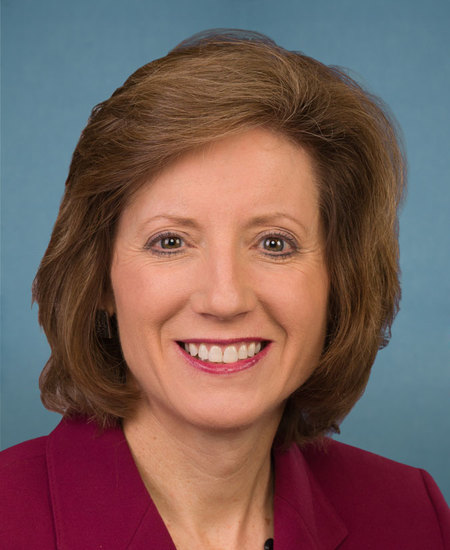
Rep. Vicky Hartzler
Sponsored bills
End the Draft Act This bill repeals the Military Selective Service Act, which requires most men of ages 18 through 25 years old to register with the Selective Service System in case a draft is reinstated. The assets, contracts, property, unexpended balances, and records held by the Selective Service System must be transferred to the General Services Administration upon the repeal. The Office of Personnel Management must assist officers and employees of the Selective Service System to transfer to other positions in the executive branch.
This bill prohibits the use of federal funds to require a member of the Armed Forces to receive a COVID-19 vaccination. The bill also prohibits adverse action (e.g., punishment) being taken against a member of the Armed Forces because the member refuses to receive a COVID-19 vaccination.
Ensuring Workers Get PAID Act of 2021 This bill reestablishes the Payroll Audit Independent Determination program, which is administered by the Department of Labor and allows employers to self-report federal minimum wage and overtime violations as an alternative to litigation. Employers may apply to the program by submitting certain information from a self-audit that includes calculations of any unpaid minimum or overtime wages. Labor must verify the calculations and, if the application is approved, supervise a settlement with affected employees that provides payment of any unpaid wages. Employees who accept a settlement under the program waive their private right of action to recover the unpaid wages provided under the settlement.
State, Local, Tribal, and Territorial Fiscal Recovery, Infrastructure, and Disaster Relief Flexibility Act This bill allows states, tribes, territories, and localities to use certain COVID-19 relief funds for new categories of spending, including for natural disasters and infrastructure projects. It also makes changes to expenditure deadlines and other aspects of this funding. Specifically, recipients may use funds for emergency relief from natural disasters and associated negative economic impacts of natural disasters. In addition, recipients may use a portion of their COVID-19 relief funds for designated infrastructure projects, such as nationally significant freight and highway projects. Furthermore, the bill allows recipients to expend COVID-19 relief funds on these types of infrastructure projects until September 30, 2026. Under current law, recipients must expend the funds by December 31, 2024. Other changes in the bill include (1) modifying eligibility and allocation requirements for funding set aside for counties and Indian tribes that are near public lands, (2) allowing Indian tribes an additional year to expend their COVID-19 relief funds, and (3) establishing a process for government entities to decline COVID-19 relief funds and requiring any declined funds to be used to reduce the federal deficit.
This joint resolution recognizes the sacrifice of veterans of the Vietnam War and commends them for their sacrifice to the United States. The joint resolution also urges the President to formally acknowledge the widespread mistreatment of such veterans and issue a formal apology to the veterans and their families. Additionally, the joint resolution expresses urgent support for increased education to better reflect the sacrifice and treatment of Vietnam veterans.
This resolution recognizes the dedication and courage of veterans, veterans' organizations, and private citizens who have worked and continue to work to evacuate U.S. persons and vulnerable Afghans from Afghanistan. The resolution also encourages the Department of State and Department of Defense to work with veterans' service organizations and their networks to evacuate those who remain in Afghanistan.
Fire Fauci Act This bill reduces the annual rate of pay of the Director of the National Institute of Allergy and Infectious Diseases (NIAID) to $0. This reduction applies until there is a new director who is not Anthony Fauci, MD. In addition, the Government Accountability Office must audit digital correspondence, policy memoranda, and financial transactions of the Office of the Director of NIAID from October 1, 2019, through December 31, 2021.
Simon Crosier Act This bill requires hospitals and other health care providers, as a condition of Medicare and Medicaid participation, to have certain written policies and procedures in place that limit the implementation of do-not-resuscitate (DNR) orders for unemancipated minors in accordance with specified criteria. Among other provisions, such policies and procedures must (1) require the informed consent of at least one parent and a reasonable attempt to contact the other parent before instituting a DNR order, (2) allow either parent to refuse to consent to a DNR order, and (3) allow a parent to transfer a minor to another facility after being informed of an intent to institute a DNR order.
This resolution recognizes the ultimate sacrifice of the unknown soldiers interred at Arlington National Cemetery and expresses gratitude and appreciation of all the members of the Armed Forces who have served during wars and peacetime. Additionally, the resolution commends all members of the 3d Infantry Regiment, specifically those who guard the Tomb of the Unknown Solider.