This resolution recognizes the importance of Christmas symbols and traditions. The resolution (1) disapproves of attempts to ban references to Christmas, and (2) supports the use of these symbols and traditions by those who celebrate Christmas.
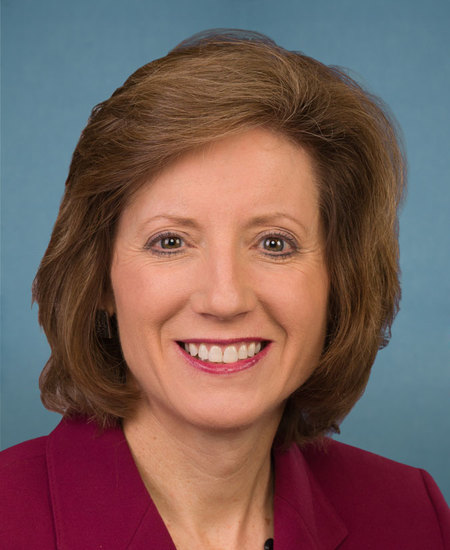
Rep. Vicky Hartzler
Sponsored bills
This bill requires that a discharge or dismissal of a member of the Armed Forces must be characterized as honorable in situations where the individual was discharged or dismissed solely for refusing to receive a COVID-19 vaccination. Such individuals may not be denied retired or retainer pay or any benefits through the Department of Defense or Department of Veterans Affairs solely on the basis that they refused to receive a COVID-19 vaccination.
This resolution condemns Turkey's continued occupation of Cyprus and calls on Turkey to withdraw all of its troops from the island. It also calls on Turkey to adhere to NATO's democratic principles and mission.
USA Batteries Act This bill removes lead oxide, antimony, and sulfuric acid from the list of taxable chemicals subject to the environmental excise tax.
Chronic Wasting Disease Research and Management Act This bill directs the Department of Agriculture (USDA) to address chronic wasting disease afflicting deer, elk, and moose populations. Specifically, the bill directs USDA to establish a program to research and manage the disease. Under the program, USDA must offer to enter into agreements with state or tribal wildlife agencies and departments of agriculture, institutions of higher education, and research centers to support research on the transmission of, resistance to, and diagnosis of the disease. In addition, USDA must offer to enter into agreements with such agencies and departments to support state and tribal efforts to develop and implement management strategies that address the disease. USDA must also develop and maintain materials to inform the public on chronic wasting disease and techniques to help prevent the spread of the disease. In addition, USDA must solicit public feedback on potential updates and improvements to standards of the chronic wasting disease herd certification program.
Cattle Contract Library Act of 2021 This bill directs the Department of Agriculture (USDA) to establish and maintain a library or catalog of each type of contract offered by packers to producers for the purchase of all or part of the production of fed cattle (including cattle that are purchased or committed for delivery), including any schedules of premiums or discounts associated with the contract. USDA must make the library or catalog publicly available in a user-friendly format and provide weekly or monthly reports as applicable. The bill makes it unlawful for any packer to willfully fail or refuse to provide USDA with accurate contractual information or to comply with any other requirements under the bill. The Agricultural Marketing Service must provide competitive grants to state agricultural experiment stations, universities, national laboratories, and other entities for producer outreach and education efforts on best uses of cattle market information, including information made available through the livestock mandatory reporting program and the library or catalog.
This bill prohibits the Department of Defense (DOD) from taking specified actions against a member of the National Guard based on whether the member has received a COVID-19 vaccine. Specifically, DOD may not (1) involuntarily discharge or discipline the member, (2) withhold pay or benefits from the member, or (3) prohibit the member from participating in training or using equipment.
Crucial Communism Teaching Act This bill directs the Victims of Communism Memorial Foundation to develop a civic education curriculum and oral history resources for high school students to promote understanding of certain political ideologies (e.g., communism and totalitarianism) that conflict with principles of U.S. democracy.
Cattle Price Discovery and Transparency Act of 2021 This bill requires the Department of Agriculture (USDA) to take various actions to address transparency in pricing and contract terms in the cattle industry. Among these requirements, USDA must (1) establish regional minimum percentages of cattle that meat packers must procure through negotiated purchases or negotiated grid purchases (i.e., transactions where the price is known and negotiated at the time of the transaction), and (2) maintain a publicly available catalog of contracts offered by meat packers to livestock producers for the purchase of fed cattle.
Conscience Protection Act of 2021 This bill provides statutory authority for certain protections for health care providers that refuse to participate in abortions based on religious beliefs or other convictions. Health care providers include individual professionals, medical facilities, health insurance organizations, and social services providers that refer clients to health care services. The federal government and entities that receive federal funding for health-related activities, including state and local governments, may not discriminate against a health care provider that refuses to be involved in, or provide coverage for, abortions. Currently, similar requirements apply to various related activities, including certain employment or personnel decisions (the Church Amendments), abortion services training (the Coats-Snowe Amendment), qualified health plans offered through health insurance exchanges, and annual appropriations bills for the Department of Health and Human Services (HHS) and other federal agencies (the Weldon Amendment). The HHS Office for Civil Rights must investigate complaints of this kind of discrimination. Furthermore, HHS may terminate or reduce HHS funding for health-related activities if a person or entity fails to comply with nondiscrimination requirements. Additionally, the Department of Justice or any entity adversely affected by such discrimination may bring a civil action to obtain appropriate relief. A plaintiff does not need to seek or exhaust administrative remedies before bringing the action. A plaintiff may also bring an action, including one for money damages, against a governmental entity. In many cases, principles of sovereign immunity shield states and some localities from these kinds of actions.