

Maddy summaryHRES 966 is a symbolic resolution condemning alleged sexual violence committed by Hamas during its October 7, 2023, attack on Israel. It specifically references eyewitness accounts, forensic evidence, and Hamas fighters' admissions of ordering gang rape, sexual mutilation, and assault against Israeli civilians. The resolution calls for international condemnation of such acts as weapons of war, urges nations to criminalize sexual violence, and supports investigations into Hamas' actions. As a non-binding resolution, it does not create new laws or directly affect any individuals but formally expresses the House's position on the issue.
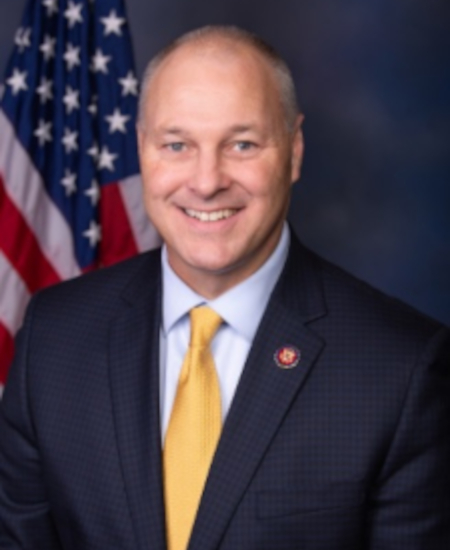
Rep. Pete Stauber
Sponsored bills
Maddy summaryThe ESA Flexibility Act (HR 6784) modifies the Endangered Species Act to give states more control over species protections. It allows the federal wildlife agency to choose whether to issue protective regulations for endangered species (previously required), and adds a key provision: federal regulations under this section only apply in states that have adopted them through cooperative agreements. This directly affects state governments and landowners in states with such agreements, as it limits federal regulation scope to areas where states have formally adopted the rules. The bill does not change core protections for listed species but shifts implementation flexibility to state-level decision-making.
Maddy summaryHR 7257, the GLRI Act of 2024, reauthorizes federal funding for the Great Lakes Restoration Initiative. It specifically adds $500 million annually for fiscal years 2027 through 2031 to the existing program under the Federal Water Pollution Control Act. This funding directly supports ongoing environmental restoration projects in the Great Lakes region, including pollution cleanup, habitat restoration, and invasive species management. The bill extends current funding levels for the next five years without altering program requirements or eligibility.
Maddy summaryHJRES 114 is a joint resolution seeking congressional disapproval of a Federal Highway Administration (FHWA) rule that would have required tracking greenhouse gas emissions as part of assessing performance for the National Highway System. The rule, published in the Federal Register in December 2023, aimed to establish specific metrics for evaluating highway system performance, including emissions data. If approved, this resolution would nullify the rule, preventing the FHWA from implementing the emissions tracking requirement. This action directly affects how the FHWA measures highway system performance, specifically regarding environmental metrics.
Maddy summaryThis resolution disapproves a Department of Energy rule that would have set new energy efficiency standards for consumer furnaces. The rule, published in the Federal Register (88 Fed. Reg. 87502), aimed to require furnace manufacturers to produce models meeting higher energy conservation levels. If enacted, this resolution would cancel the rule, preventing it from taking effect. As a result, current energy efficiency standards for furnaces would remain unchanged, and manufacturers would not face the new requirements.
Maddy summaryHR 5585, the Agent Raul Gonzalez Officer Safety Act, creates new criminal penalties for individuals fleeing U.S. Border Patrol officers or assisting officers while operating a motor vehicle within 100 miles of the U.S. border. It imposes prison terms of up to 2 years for basic offenses, 5-20 years if serious injury occurs, and 10 years to life if death results. People unlawfully in the U.S. who commit this offense become permanently ineligible for any legal status, including asylum. The bill also requires the Attorney General to submit annual reports to Congress on prosecutions and penalties related to this new offense.
Maddy summaryThis ceremonial resolution (HRES 985) expresses the U.S. House of Representatives' support for Catholic schools during the 50th anniversary of National Catholic Schools Week. It acknowledges Catholic schools' contributions to education, diversity, and community values - highlighting their 1.7 million students, 98.9% high school graduation rate, and role in serving diverse communities - while applauding the National Catholic Educational Association and the United States Conference of Catholic Bishops for organizing the event. The resolution has no binding effect or policy changes; it solely serves as a symbolic gesture of recognition.
Maddy summaryHR 6918 blocks a specific federal regulation that would have restricted funding for pregnancy centers. It prohibits the Health and Human Services Secretary from finalizing, implementing, or enforcing a proposed rule (described in a Federal Register notice) affecting pregnancy center funding. The bill directly affects pregnancy centers - defined as organizations supporting maternal and fetal life and providing services like counseling, pregnancy testing, and material support (e.g., diapers, baby clothes). This is a procedural measure preventing a regulatory change, not creating new programs or altering existing funding.
Maddy summaryHR 7026, the "Reducing Permitting Uncertainty Act," modifies EPA authority under the Clean Water Act regarding dredge and fill permits. It requires the Army Corps of Engineers to notify the EPA when a permit application is ready for review, then mandates a minimum 30-day period during which the EPA cannot block the permit. This directly affects construction, development, and environmental projects needing federal dredge/fill permits by creating predictable timelines. The key provision sets a fixed 30-day window after notification before the EPA may deny or restrict a permit, reducing delays in the approval process.
Maddy summaryHR 6964 limits how much federal transit agencies can pay upfront for new buses. It requires agencies to have a signed contract with the bus manufacturer, pre-approval, and meet existing rules before making any advance payment. The bill specifically caps advance payments at 20% of the total bus purchase price and prohibits payments without the manufacturer providing a financial guarantee. This directly affects transit agencies receiving federal funds for purchasing bus vehicles. The key change is imposing a strict 20% limit on upfront payments to reduce financial risk.