

Maddy summaryHR 3227, the Ensuring Seniors’ Access to Quality Care Act, amends Medicare and Medicaid rules to address nurse aide training programs in nursing facilities. It allows the Secretary of Health and Human Services to disapprove a facility’s nurse aide training program for up to two years if the facility received a $10,697+ civil penalty for substandard care and hasn’t corrected the quality issues. Facilities can have disapproval lifted by proving they fixed the care deficiencies, haven’t had recent patient harm incidents, and the penalty didn’t involve immediate patient jeopardy. The changes apply only to penalties assessed after the bill’s enactment and do not affect facilities already prohibited under prior rules.
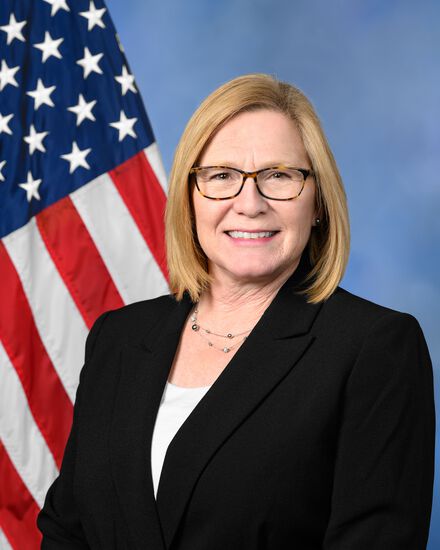
Rep. Michelle Fischbach
Sponsored bills
Maddy summaryThis bill would require Medicare to cover FDA-approved blood tests that screen for multiple cancers simultaneously (like breast, lung, or colorectal cancer) for beneficiaries. It directly affects Medicare recipients aged 65+ who could access these new screenings once per year, without prior authorization. The key provision adds "multi-cancer early detection screening tests" to Medicare's covered services under Part B, defining them as blood tests analyzing cell-free DNA, while maintaining existing coverage for standard screenings like mammograms. The bill does not change current coverage for individual cancer screenings but ensures Medicare keeps pace with new medical technology.
Maddy summaryThis bill expands Medicare Part B coverage to include specific pharmacist services, directly affecting Medicare beneficiaries and pharmacists who provide these services. It adds new coverage for pharmacist evaluations and treatments related to certain illnesses (like COVID-19, flu, or strep throat) and public health emergencies, requiring payment at 80% of the lesser of actual charge or 85% of physician payment rates (100% during emergencies). The bill also prohibits balance billing for these services, ensuring beneficiaries pay only the standard Medicare copayment. These changes aim to improve access to pharmacist care during health crises while aligning payment with existing physician service frameworks.
Maddy summaryHR 1666 extends deadlines for ambulance service reimbursement rules under Medicare. It amends Section 1834(l) of the Social Security Act by changing dates from 2025 to 2028 in two specific provisions: paragraph (12)(A) and paragraph (13)(A). This delay gives ambulance providers additional time to adjust to existing Medicare payment rules. The bill directly affects Medicare-certified ambulance services and the patients relying on ground ambulance care covered by Medicare.
Maddy summaryThis bill bans federal funding for abortions in most cases, prohibiting the use of taxpayer money for abortion services or health insurance plans covering abortion. Exceptions allow funding for abortions resulting from rape, incest, or when a pregnancy endangers a woman's life. It requires health insurance plans sold through the Affordable Care Act (ACA) marketplaces to clearly disclose any separate costs for abortion coverage and prohibits ACA subsidies from being used for plans that cover abortion (except in the specified exceptions). The law directly affects federal programs like Medicaid, ACA marketplace plans, and insurers offering health coverage to individuals using federal subsidies.
Maddy summaryHJRES 142 is a congressional disapproval resolution targeting a Department of Labor rule issued on April 25, 2024. It seeks to block the "Retirement Security Rule: Definition of an Investment Advice Fiduciary" (89 Fed. Reg. 32122), which defined standards for financial advisors handling retirement accounts. If passed, this resolution would make the Labor Department's rule ineffective, directly affecting retirement plan advisors and financial institutions subject to the regulation. The bill uses a specific procedural mechanism under Title 5, U.S. Code, to nullify the rule without creating new law.
Maddy summaryThis bill requires the Congressional Budget Office (CBO) to provide at least two annual updates to the budget baseline, with one update including the economic data used in its calculations. It also mandates that the President submit technical budget data to Congress by February 1 each year, covering current/prior year estimates and credit reestimates for the upcoming fiscal year. These updates aim to improve the timeliness and transparency of budget information available to Congress. The bill directly affects the CBO and the Executive Branch in their annual budget reporting processes.
Maddy summaryHR 7438 directs the U.S. Treasury to mint commemorative coins for the 2026 FIFA World Cup, including 100,000 $5 gold coins, 500,000 $1 silver coins, and 750,000 half-dollar coins. The coins will be sold to the public at face value plus surcharges ($35, $10, and $5 per coin, respectively), with all surcharge revenue paid to FWC2026 US, Inc. for U.S. soccer programs. These funds must support soccer initiatives, particularly in underserved communities and youth development, as specified in the bill. The coins are legal tender but will only be issued during 2026, with no net cost to the U.S. government.
Maddy summaryThis bill reinstates a pre-American Rescue Plan Act (ARP) tax reporting rule for gig economy platforms. It requires third-party payment platforms (like Uber or DoorDash) to report transactions to the IRS only if a gig worker earns over $20,000 in total or completes more than 200 transactions in a year. This directly affects gig workers whose income falls below these thresholds, exempting them from the reporting requirement. The provision effectively reverses a change made by the ARP, reducing administrative burden for both platforms and lower-earning gig workers. The bill amends IRS Code Section 6050W to restore these specific de minimis payment thresholds.
Maddy summaryThis bill amends the Regulatory Flexibility Act to require federal agencies to more thoroughly assess how proposed regulations impact small businesses, including indirect costs on businesses that aren't directly regulated but are affected by the rules (e.g., suppliers or partners). It creates a new process allowing small businesses or their representatives to petition the Small Business Administration's Chief Counsel to review an agency's claim that a rule won't significantly affect small entities, with strict timelines for agency responses. If an agency fails to cooperate with this review, the final rule cannot apply to small businesses. Agencies must also publish regulatory guidance online for small businesses to comment on, ensuring greater transparency in rulemaking.