

Maddy summaryThis bill requires Medicare Advantage plans to implement electronic prior authorization systems by 2027 and publish detailed data on their approval and denial rates for medical services by 2026. It directly affects Medicare Advantage plans (private insurers offering Medicare coverage) and their enrollees (seniors 65+), mandating transparency about prior authorization decisions, processing times, and appeal outcomes. Key provisions include requiring plans to report annual statistics on request approvals/denials, average processing times, and use of technology, with this data published publicly by the Centers for Medicare & Medicaid Services. The bill also sets timelines for plan responses to prior authorization requests and mandates reports to Congress on implementation and impacts.
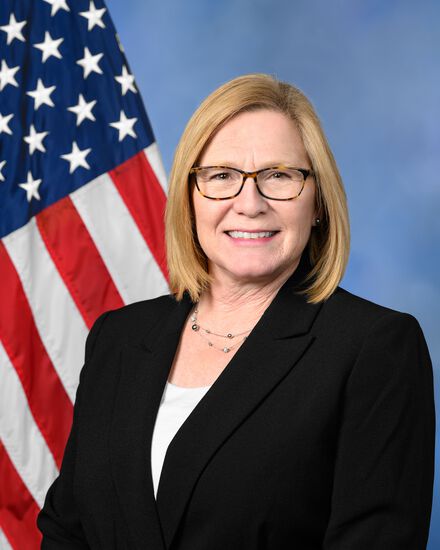
Rep. Michelle Fischbach
Sponsored bills
Maddy summary# Summary of Tariff Suspensions and Reductions Document This document is a section of U.S. tariff legislation that adds new duty suspensions and reductions to the Harmonized Tariff Schedule of the United States. It contains 120 new tariff items (numbered 9902.19.01 through 9902.20.24) that provide temporary duty-free or reduced-duty status for various goods. Key features of the document: 1. **Content**: The list includes chemical compounds, food ingredients, and specialty materials (such as shelled pine nuts, licorice extract, refined carrageenan, various chemicals like neodymium metal, tungsten concentrate, and numerous organic compounds). 2. **Tariff Treatment**: Most entries are listed as "Free" (meaning duty-free), with a few having small duty rates (e.g., 0.7%, 1.8%, 2.3%, 2.9%, 4.3%). 3. **Effective Period**: All listed suspensions and reductions are effective "On or before 12/31/2025." 4. **Purpose**: These tariff suspensions are intended to support specific industries, reduce costs for manufacturers, or provide temporary relief for certain imported goods. 5. **Technical Details**: Each entry includes the chemical name, CAS number, Harmonized Tariff Schedule code, duty rate, and a brief description of the product. This document represents a legislative amendment to the Harmonized Tariff Schedule, specifically adding new subchapter II of chapter 99 to provide temporary duty relief for these specific items.
Maddy summaryHR 7983 amends the tax code to define "free trade agreement" for clean vehicle credits as an international trade deal approved by Congress. This means the clean vehicle tax credit will only apply to vehicles manufactured in countries with trade agreements that Congress has formally approved, not just executive-negotiated deals. The change affects consumers and vehicle manufacturers seeking the credit, as eligibility now depends on congressional approval of the trade agreement. The new definition applies to vehicles placed in service after the bill's enactment date.
Maddy summaryThis bill clarifies that Medicare must cover fully implanted active middle ear hearing devices as prosthetics, not as hearing aids. It requires the Centers for Medicare & Medicaid Services (CMS) to update its rules within 60 days of the bill's enactment to remove these devices from Medicare's hearing aid coverage exclusion. This directly affects Medicare beneficiaries who rely on these specific implanted devices for hearing. The change means these devices will now be covered under Medicare's prosthetic benefits, not excluded under hearing aid rules, without altering existing coverage for other hearing aids.
Maddy summaryThe Preserving Seniors’ Access to Physicians Act of 2023 increases the Medicare payment adjustment rate for physicians from 1.25% to 4.62%, directly affecting doctors who treat Medicare patients (primarily seniors). It also reduces the funding for the Medicaid improvement fund from $5,796,117,810 to $3,973,117,810. These changes impact Medicare providers and Medicaid programs, with the Medicare adjustment aimed at supporting physicians adjusting to payment changes. The bill does not specify how the Medicaid funding reduction relates to its stated goal of preserving seniors' access to physicians.
Maddy summaryThis bill, HR 5796, prohibits the Department of Health and Human Services from implementing a proposed rule requiring minimum staffing levels in nursing homes. It creates an advisory panel of 15 members - including rural nursing home staff and experts - to study workforce shortages and report on access barriers for seniors, especially in rural areas. The panel must submit an initial report within 60 days, analyzing staffing challenges and recommending solutions to strengthen the nursing home workforce. These provisions directly aim to prevent nursing home closures (like the 129 that occurred in 2022) that threaten rural seniors’ access to care.
Maddy summaryThis bill establishes an Agricultural Trade Enforcement Task Force to address foreign trade barriers harming U.S. agricultural exports, specifically targeting India's WTO-violating price support programs for rice, wheat, and other commodities. The Task Force, led by the U.S. Trade Representative and Agriculture Department, must identify systemic trade barriers, develop enforcement strategies, and file a WTO dispute against India within 60 days of consultations if needed. It requires quarterly reports to Congress on progress, including a specific plan to challenge India's subsidies that exceed WTO limits (e.g., rice supports at 93.9% of production value). The bill directly affects U.S. farmers, ranchers, and exporters who face market access barriers due to these foreign subsidies.
Maddy summaryHR 5709 would amend the tax code to allow individuals who qualify for Medicare Part A due to age (typically 65+) to contribute to Health Savings Accounts (HSAs). Currently, Medicare beneficiaries are ineligible to contribute to HSAs, but this bill removes that restriction by updating the Internal Revenue Code. The key change adds a new eligibility category for Medicare Part A beneficiaries to the tax code provisions governing HSAs. This policy change directly affects seniors enrolled in Medicare Part A, enabling them to use HSAs for qualified medical expenses as part of their healthcare savings strategy. The amendment applies to contributions made after December 31, 2023.
Maddy summaryThe In Good Standing Adoption Agencies Act of 2023 requires states to annually submit to the federal government a list of child placement agencies that are licensed, in good standing with the state, and federally tax-exempt (under Section 501(c)(3)). The federal government will compile and maintain a public list of these agencies and report to Congress on any licensed agency not included, along with any state disciplinary actions taken against them. States that fail to submit the required list for a fiscal year will lose eligibility for federal adoption and legal guardianship incentive payments. This bill directly affects state child welfare agencies and the adoption agencies they regulate, with no change to existing agency licensing standards.
Maddy summaryHR 3423, the SAVE Act, defines "common name" for agricultural products (like "Cheddar" for cheese or "Merlot" for wine) as a term routinely used on packaging, consistent with international standards. It requires the Agriculture Secretary and U.S. Trade Representative to negotiate agreements with foreign countries to protect U.S. producers' right to use these common names in international markets. The bill directly affects U.S. agricultural exporters, processors, and producers who rely on familiar product names. It mandates biennial reports to Congress on these trade efforts, focusing on preserving market access for U.S. goods using common names.