

Maddy summaryHR 4302, the Transparency in Energy Production Act of 2023, requires energy companies seeking or holding leases to develop operations on public or Indian lands to disclose standardized environmental data. This applies to both fossil fuel projects (like oil and gas) and renewable energy projects (like wind and solar), mandating annual reports that detail greenhouse gas emissions, water use, biodiversity impacts, and other metrics disaggregated by state and operation type. Companies must submit these reports to the relevant federal agency (Interior or Agriculture) at lease application and annually thereafter, with failure to comply risking lease denial or suspension. The data must be published online in a machine-readable format and included in regular congressional reports assessing environmental impacts, wildfire risks, supply chain sources, and lifecycle effects of energy production.
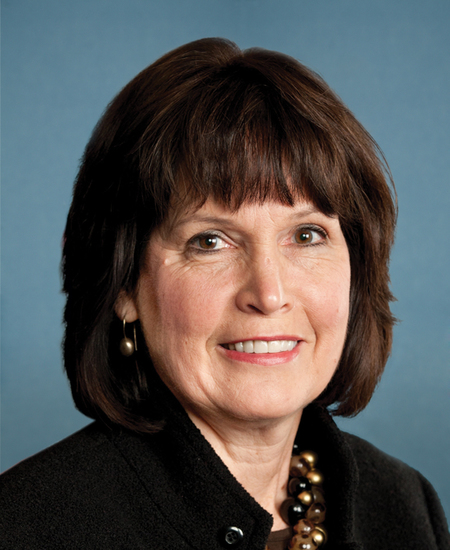
Rep. Betty McCollum
Sponsored bills
Maddy summaryHR 5217, the Refuge From Cruel Trapping Act, prohibits the possession or use of body-gripping traps (devices that kill or severely injure wildlife) within National Wildlife Refuges. It directly affects individuals and entities using such traps in refuges, with key exceptions allowing federal agencies to use them for controlling invasive species or protecting endangered species, Alaska refuge operations, and tribal subsistence hunting. Violations carry penalties including civil fines up to $500 per trap, up to 180 days in jail, and forfeiture of the trap and captured wildlife. The bill requires the Secretary of the Interior to issue implementing regulations within 120 days, though enforcement begins 120 days after enactment regardless of regulations.
Providing Essential Temporary Shelter Assistance For Emergencies Act of 2023 or the PETSAFE Act of 2023 This bill directs the Federal Emergency Management Agency (FEMA) to establish a pilot program to provide grants for mobile pet shelters during emergencies and major disasters. FEMA may provide funds to state, local, and tribal governments to establish a new pet shelter site that is a mobile unit, which may be a companion animal mobile equipment trailer, to be used in case of evacuation due to emergencies and major disasters. FEMA's authority to approve projects under this bill shall cease on January 1, 2029.
Assault Weapons Excise Act This bill imposes an additional 1000% excise tax on large capacity ammunition feeding devices and semiautomatic assault weapons. It exempts from such additional tax devices and weapons acquired by the United States or by a state or local government.
Maddy summaryHR 5113, the REACH Our Tribes Act, requires the U.S. Department of Agriculture to establish an annual consultation process with Tribal Governments on budget requests and program reauthorizations (like farm bills), including 30 days' notice before meetings and public reports summarizing discussions and responses. It also mandates USDA to publicly report on funding provided to Tribal entities through its programs and improve outreach for underutilized programs. Additionally, the bill creates an interagency task force to streamline application requirements for economic development programs and a public online repository listing all federal economic development programs available to tribes. These provisions directly affect Tribal Governments and Tribal entities (including tribes, tribal organizations, and businesses) by enhancing their input in budget decisions and improving access to federal resources.
Maddy summaryHJRES 84 designates August 20 as "Slavery Remembrance Day" to commemorate the arrival of the first enslaved Africans in what is now Virginia on August 20, 1619. The resolution urges the President to issue an annual proclamation encouraging Americans to observe the day with ceremonies and activities reflecting on slavery's history. It specifically honors 21 Black Congress members from the Reconstruction Era as honorary cosponsors and calls for acknowledging the enduring impacts of slavery. As a symbolic resolution, it does not create new laws or directly affect any group beyond establishing an annual observance.
Maddy summary# Summary of the "Protecting Our Democracy Act" This comprehensive legislation aims to strengthen democratic processes, increase government transparency, and prevent foreign interference in elections. Key provisions include: ## Ethics and Transparency - **Ethics Pledge**: Requires all appointees to sign an ethics pledge committing to: - Ban on gifts from registered lobbyists - 2-year revolving door ban (prohibiting participation in matters related to former employers) - Golden parachute ban (no special payments from former employers) - Commitment to decision-making based on public interest - **Tax Transparency**: Requires presidential and vice presidential candidates to disclose 10 years of tax returns, with sitting presidents submitting returns within 30 days of enactment ## Campaign Finance and Foreign Interference - **Foreign Contact Reporting**: Requires political committees to report any contact with "covered foreign nationals" within 1 week - **Enhanced Penalties**: Criminal penalties of up to $1 million and 5 years in prison for violations - **Online Advertising Rules** ("Honest Ads Act"): - Requires clear disclosure of who paid for political ads online - Mandates machine-readable public databases of political ads - Requires visible sponsor identification that remains when ads are shared - Defines "qualified political advertisements" to include various online formats ## Preventing Patronage Systems - Limits exceptions to competitive service for federal positions - Restricts transferring positions between competitive and excepted service - Requires employee consent for position transfers ## Use of Federal Property - Prohibits holding national political conventions on federal property - Requires publicly available visitor records at White House and other official locations (with privacy exceptions) The legislation establishes detailed definitions, reporting requirements, and enforcement mechanisms across multiple agencies, with the goal of increasing transparency, preventing foreign interference, and ensuring ethical conduct in government service.
Maddy summaryThe ACHE Act requires the National Institute of Environmental Health Sciences to study health impacts of mountaintop removal coal mining on communities near mining sites in Kentucky, Tennessee, West Virginia, and Virginia. It temporarily halts all new federal permits for such mining until a health risk determination is made, while mandating ongoing pollution monitoring (water, air, soil) at existing sites with monthly public reporting. The bill directly affects coal mining companies operating in designated steep-slope regions of those four states. Key provisions include the health study, permit moratorium, and public monitoring requirements, which end once the health risk determination is published.
Maddy summaryHR 4832, the Indian Programs Advance Appropriations Act of 2023, changes how funding is allocated for key Native American programs. It requires that starting in fiscal year 2024, new budget authority for specific accounts under the Bureau of Indian Affairs, Bureau of Indian Education, and Indian Health Service must be made available immediately for the current fiscal year *and* include advance funding for the next fiscal year. The bill mandates annual reports by July 31 each year, including workload estimates and resource sufficiency assessments developed with tribal consultation. This affects tribal programs funded through accounts like Operation of Indian Programs, Contract Support Costs, and Indian Health Services, aiming to improve budget planning predictability.
Maddy summaryHR 4068, or "Canyon’s Law," bans the use of M-44 devices - cyanide-based predator control tools - on all public lands managed by federal agencies like the National Park Service, Fish and Wildlife Service, and Forest Service. The bill prohibits agencies from preparing, placing, or deploying these devices and requires all existing M-44s on public land to be removed within 30 days of enactment. It directly affects federal, state, and county agencies that previously used these devices to target wildlife like wolves and coyotes. The law aims to prevent accidental poisonings of people, pets, and non-target species (including endangered animals) by eliminating the use of this hazardous method on public lands.