

Maddy summaryThis bill closes loopholes that allow domestic violence abusers to keep or buy firearms while under restraining orders. It requires courts to issue "firearm surrender orders" when domestic violence restraining orders are issued, mandating that abusers surrender all firearms within 24 hours. The law expands the definition of "intimate partner" to include dating partners and requires law enforcement to remove firearms if abusers don't comply. It also creates a federal grant program to help states implement these policies, directly affecting domestic violence survivors and abusers subject to restraining orders.
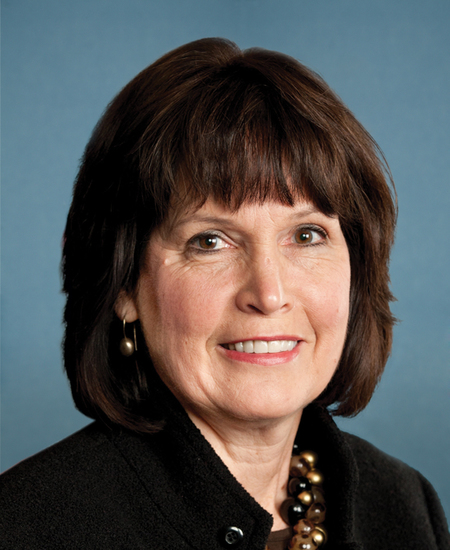
Rep. Betty McCollum
Sponsored bills
Maddy summaryThis resolution (HRES 823) is a symbolic measure supporting "Weatherization Day" to highlight the U.S. Weatherization Assistance Program. It directly affects low-income households, which pay nearly 14% of their income on energy costs and often live in inefficient, unsafe homes. The resolution cites that the program has helped over 7 million families since 1976, reducing energy use by 20%+ in upgraded homes while improving health outcomes. It urges federal agencies to expand weatherization efforts and recognizes community action agencies for connecting low-income residents to this program. The resolution does not create new laws but formally endorses the program’s goals and existing benefits.
Maddy summaryThe SMOKE Act establishes new federal workplace safety standards to protect employees from wildfire smoke exposure. It requires employers to monitor PM2.5 air quality (AQI ≥151), implement engineering controls (like filtered buildings), provide respirators, and communicate risks when smoke levels are hazardous. Employees at risk of health harm from smoke can take up to 12 weeks of unpaid leave per year, with job protection upon return. The law excludes emergency responders and workplaces with certified filtered air systems (e.g., closed vehicles or buildings with filtered ventilation). OSHA must finalize these standards within 42 months of enactment.
Maddy summaryHR 5976, the Youth Mental Health Research Act, establishes a new NIH research initiative led by the National Institute of Mental Health. The bill directs collaboration between three NIH institutes to coordinate research on youth mental health, focusing specifically on building community resilience for at-risk youth and improving how mental health services reach young people in schools, communities, and other settings where they live and work. It authorizes $100 million annually for fiscal years 2024 through 2028 to fund this research. The bill does not create direct services but aims to generate evidence to inform future mental health support strategies for young people.
Maddy summaryThe Healthcare Workforce Resilience Act (HR 6205) reallocates unused employment-based immigrant visas from fiscal years 1992-2021 to directly support foreign nurses and physicians seeking permanent residency in the U.S. It creates 40,000 new visas - 25,000 for nurses and 15,000 for physicians - available only to those with petitions filed within three years of the bill’s enactment. The bill includes expedited processing without fees, exempts these visas from country limits, and requires employers to attest that hiring foreign workers won’t displace U.S. workers. This policy change specifically targets healthcare staffing shortages by streamlining pathways for qualified foreign healthcare professionals.
Maddy summaryHRES 831 is a symbolic congressional resolution supporting October as "National Domestic Violence Awareness Month." It does not create new laws or allocate funding, but formally expresses the House of Representatives' support for the goals of raising awareness about domestic violence. The resolution urges Congress to continue highlighting domestic violence's impact and backing programs that prevent and address it. It directly affects public awareness efforts and serves as a non-binding statement of congressional support for victims and advocacy organizations.
Maddy summaryHR 5983, the Clean Water Act of 2023, redefines "protected water resources" under federal law to explicitly include all interstate and intrastate waters (such as intermittent and ephemeral streams), wetlands, and their tributaries. This directly affects federal agencies like the EPA, states managing water quality, and developers or landowners needing permits for activities near these waters. The bill eliminates the Supreme Court’s narrow "navigable waters" definition from Sackett v. EPA (2023), restoring protections for tens of millions of acres of wetlands and millions of miles of small streams. Key mechanisms require the EPA to annually review and adjust exclusions from protections based on scientific evidence, ensuring water bodies critical to drinking water, flood control, and ecosystems remain safeguarded.
Maddy summaryHRES 801 is a symbolic resolution recognizing the cultural significance of the Hmong New Year. It does not create new laws or policies but formally acknowledges the traditions of Hmong Americans celebrating this holiday. The resolution expresses respect for Hmong Americans observing the New Year and wishes them a happy celebration. It directly affects Hmong American communities by affirming their cultural practices through official congressional recognition. This is a ceremonial gesture with no binding obligations or policy changes.
Maddy summaryHRES 771 is a non-binding resolution expressing the U.S. House of Representatives' support for Israel following Hamas' October 7, 2023, attack. It condemns Hamas' actions, affirms Israel's right to self-defense, and calls for the immediate release of hostages. The resolution also urges enforcement of existing laws restricting aid to terrorists and sanctions against Iran for supporting Hamas. It does not create new policies or allocate funds, as it is a symbolic statement of congressional support.
This resolution supports the designation of National Wildlife Refuge Week. The resolution acknowledges the importance of national wildlife refuges for their recreational opportunities and contribution to local economies. Finally, the resolution reaffirms the support of the House for wildlife conservation and the National Wildlife Refuge System.