

Maddy summaryHR 2976 expands the definition of "animal" under the Animal Welfare Act to explicitly include cold-blooded species like reptiles, amphibians, cephalopods (e.g., octopuses), and fish used in research, testing, experimentation, or exhibition. This change directly affects research facilities, zoos, and aquariums that work with these animals, bringing them under the Act's existing protections. The bill amends the law to add cold-blooded animals to the covered categories while maintaining exemptions for research rats/mice, horses not used in research, and farmed animals raised for food or fiber. It does not create new requirements but ensures these animals are subject to the same welfare standards already applied to warm-blooded animals like dogs and cats.
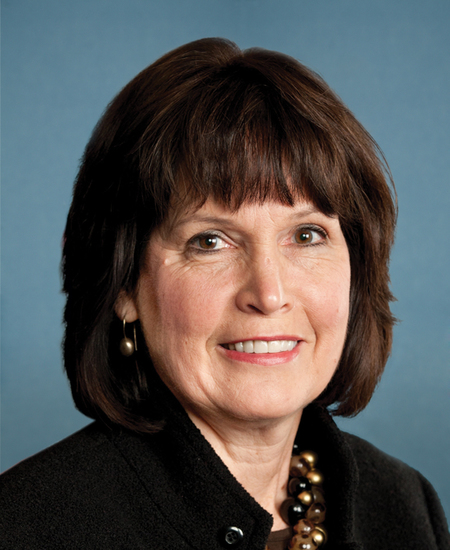
Rep. Betty McCollum
Sponsored bills
Maddy summaryThe MRRRI Act establishes a federal initiative to protect and restore the ecological health of the Mississippi River and its floodplain by creating a Mississippi River National Program Office within the Environmental Protection Agency. The program focuses on five key areas: improving water quality, enhancing community resilience to floods, protecting fish and wildlife habitat, preventing invasive species spread, and improving scientific monitoring. It will fund projects through grants to states, tribes, local governments, and organizations that address these focus areas, with specific requirements for Tribal involvement and environmental monitoring. The initiative requires the development of actionable goals, an action plan, and a science plan, and mandates regular reporting to Congress on progress.
Maddy summaryHR 2357, the Food Secure Strikers Act of 2025, removes a restriction that previously barred workers on strike from receiving Supplemental Nutrition Assistance Program (SNAP) benefits. The bill amends the Food and Nutrition Act of 2008 to eliminate language making workers ineligible for SNAP "as a result of being on strike," ensuring striking workers are not automatically denied food assistance during labor disputes. This change directly affects workers participating in strikes who would otherwise lose access to SNAP benefits. The key mechanism updates the eligibility rules to prevent SNAP ineligibility solely due to strike participation.
Maddy summaryHRES 337 is a symbolic House resolution honoring linemen for their critical role in maintaining power infrastructure and responding to emergencies. It recognizes them as first responders who work in dangerous conditions 24/7 to keep electricity flowing, supporting schools and businesses during storms. The resolution formally supports designating April 18, 2025, as "National Lineman Appreciation Day" to publicly acknowledge their contributions. As a non-binding resolution, it has no direct policy impact or effect on affected individuals.
Maddy summaryThis bill increases the federal tax credit for rehabilitating historic buildings. It raises the standard credit rate from 20% to 30% for qualifying small projects (with a $3.75 million expenditure cap) and further increases the cap to $5 million for projects in rural areas. The bill also allows taxpayers to transfer all or part of this credit to another taxpayer, creating a new market for the credit. These changes apply to properties placed in service after the bill's enactment date. The bill directly affects developers and owners of historic properties seeking tax incentives for rehabilitation projects.
Maddy summaryHRES 328 is a non-binding House resolution expressing support for library staff and the essential services libraries provide to communities across the United States. It recognizes libraries as critical infrastructure for community access to information, internet, social services, and safe spaces - especially for underserved groups - and calls for full federal, state, and local funding to sustain these services. The resolution reaffirms the public’s right to free access to information, supports library workers’ rights to unionize and collectively bargain, and defends staff from threats like book bans or intimidation for upholding library missions. It specifically endorses National Library Week and urges protection of civil rights for library workers. (Note: As a procedural resolution, it does not create new law but formally expresses congressional support.)
Maddy summaryThe SEER Act of 2025 strengthens ethics oversight for special government employees (SGEs) - non-career federal staff serving on advisory committees or in non-advisory roles - who previously faced fewer disclosure requirements than full-time employees. It requires SGEs serving more than 60 days in a year (reducing the current 130-day limit) to follow the same ethics rules as regular employees, including mandatory financial disclosures and public posting of conflict-of-interest waivers. The bill also mandates a searchable online database listing each SGE's service duration and appointment reason, prohibits SGEs from communicating with agencies about companies they own or lead (if not on an advisory committee), and extends disclosure requirements to SGEs not serving in low-level roles. These changes directly affect SGEs in significant decision-making roles, enhancing transparency for the public and Congress.
Maddy summaryThe Neighborhood Homes Investment Act creates a new tax credit for developers who build or rehabilitate affordable homes in distressed communities. The credit is calculated as the lesser of (1) the difference between development costs and sale price, (2) 40% of development costs, or (3) 32% of the national median home price. It applies only to homes sold to qualified homeowners with income up to 140% of area median income in designated "qualified census tracts" (areas with high poverty rates, low median home values, and low median family income). Developers must meet quality standards and repay the credit if the home is sold within 5 years of the affordable sale. This credit aims to address the "value gap" that prevents housing development in distressed communities by incentivizing affordable home construction and rehabilitation.
Maddy summaryHR 2906, the SERVICE Act, requires federal agencies to submit a detailed report to Congress and the Government Accountability Office (GAO) before reducing their workforce by more than 5% in a fiscal year. The report must analyze financial impacts (including pay, benefits, and replacement costs), mission effects on specific offices/services, and the agency’s analytical basis for the reduction. The GAO must then review the report within 180 days and assess whether it includes all required elements and credible supporting data. This 210-day review period applies to all agencies covered under the law, directly affecting federal workforce planning decisions. The bill aims to ensure transparency and evidence-based decision-making around federal staffing changes.
Maddy summaryHR 2837 establishes an Advisory Council under the Department of Health and Human Services to improve access to existing resources for victims of gun violence. The council, composed of federal agency heads and appointed victims/support professionals, will assess needs, identify effective programs, and compile a public resource hub with contact information for medical, financial, mental health, legal, and government support services. It requires a detailed report within 180 days of enactment and a follow-up report within two years, focusing on gaps in current assistance and coordination. The bill directly affects individuals defined as victims of gun violence (including those wounded, threatened, witnessing incidents, or related to victims) and aims to connect them to existing federal, state, and nonprofit resources without authorizing new funding. The council will sunset after five years.