

Maddy summaryThis resolution (HRES 1086) is a symbolic gesture expressing the House's support for designating March 19, 2024, as "National Agriculture Day." It does not create new laws or policies, but instead formally recognizes agriculture as a vital industry in the U.S. economy. The resolution celebrates agriculture's broad economic impact without imposing any requirements or changes on farmers, consumers, or government programs. It is a commemorative statement, not a substantive legislative action.
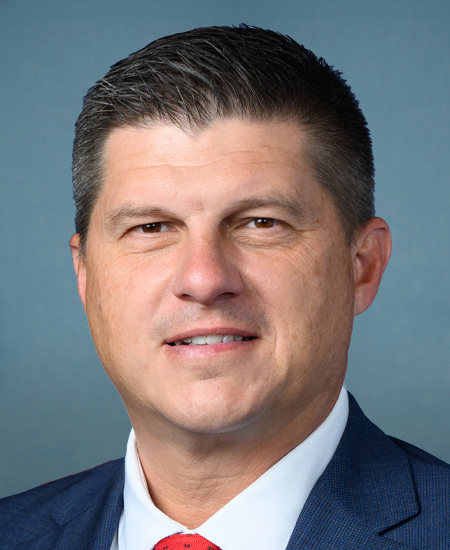
Rep. Brad Finstad
Sponsored bills
Maddy summaryThe Laken Riley Act (HR 7511) would require federal authorities to detain non-citizens charged with or convicted of burglary, theft, larceny, or shoplifting offenses. It also creates new legal standing for state attorneys general to sue federal immigration officials in federal court if they believe immigration enforcement decisions (like releasing aliens or granting parole) cause financial harm exceeding $100 to the state or its residents. The bill amends immigration laws to expand detention requirements for certain property crimes and allows states to seek court orders to enforce immigration policies. It does not create new criminal penalties but modifies existing immigration enforcement procedures. The bill’s findings and political language about the Laken Riley case are not part of its policy provisions.
Maddy summaryThe Farm to Fly Act of 2023 amends USDA programs to include sustainable aviation fuel (SAF) as a qualifying product for financial assistance, directly affecting farmers, biorefineries, and agricultural producers. It defines SAF as liquid fuel meeting strict environmental standards - requiring at least a 50% reduction in lifecycle greenhouse gas emissions compared to jet fuel and excluding sources like palm oil or petroleum. The bill mandates the Secretary of Agriculture to lead a cross-agency initiative focused on advancing SAF development, leveraging agricultural resources, and fostering public-private partnerships to expand the domestic SAF market. This aims to support rural economic growth, strengthen U.S. energy security, and align with national clean energy goals in aviation.
Maddy summaryThe LAST ACRE Act of 2023 creates a program to provide high-speed broadband internet access to agricultural land lacking adequate connectivity. It authorizes $10 million annually for grants and loans to qualified providers to build infrastructure on unserved or underserved eligible land (including farms, rangeland, and crop land) that meets minimum speed requirements of 100 Mbps downstream and 20 Mbps upstream. The program prioritizes remote areas and limited resource farmers, requiring providers to meet cybersecurity standards and submit competitive bids. It also mandates the collection of data on broadband usage by agricultural producers to better understand connectivity needs.
Maddy summaryThis resolution (HRES 1038) is a symbolic gesture honoring three Burnsville, Minnesota, first responders who died in the line of duty on February 18, 2024: Police Officers Paul Elmstrand and Matthew Ruge, and Firefighter/Paramedic Adam Finseth. It expresses the House’s condolences to their families, honors Sergeant Adam Medlicott (who was injured in the same incident), and recognizes all local law enforcement and first responders for their service. The resolution does not create new laws or policies but formally acknowledges their sacrifice through a non-binding expression of support. It specifically commemorates their heroic actions during a domestic call response in Burnsville.
Maddy summaryThis bill establishes "Operation Stonegarden," a new grant program funding border security efforts by law enforcement agencies in states bordering Canada, Mexico, or the coast. It allocates $110 million annually (2024-2028) for equipment, personnel, and activities supporting U.S. Customs and Border Protection operations. The bill also reauthorizes $400 million yearly for the High Intensity Drug Trafficking Areas Program and increases COPS Grant Program funding to $665 million annually, requiring a report on improving access for rural and smaller agencies. These provisions directly affect border law enforcement agencies and community policing programs.
Maddy summaryHR 7455, the Sunset Act of 2024, requires federal agencies to automatically expire significant rules after 10 years unless Congress passes a new law extending them. Agencies must submit reports 180 days before expiration, and Congress can extend rules via joint resolution within 3 legislative days of receiving the report. The bill also mandates annual reviews of 10% of active agency rules for 9 years, with rules not extended by Congress after the 10-year period expiring. It applies to all major agency rules (e.g., environmental or safety regulations) and includes limited presidential exemptions for emergencies, but does not affect existing rules already in effect.
Maddy summaryHR 7450, the Protecting Privacy in Purchases Act, prohibits payment card networks and covered entities (like payment processors) from requiring or assigning merchant category codes that specifically identify firearms retailers as different from general stores or sporting goods retailers. This directly affects firearms retailers and payment networks by preventing them from using business classification codes that could flag firearm sales. The bill establishes an enforcement process where the Attorney General investigates complaints, issues remediation notices, and can seek court injunctions for non-compliance, while preempting state or local laws on this issue. It does not create private lawsuits for individuals.
Maddy summaryHR 7434, the BEST for Vets Act of 2024, requires that only licensed health care professionals conduct medical disability examinations for veterans' benefits under certain VA pilot programs. The bill amends existing law to prohibit non-licensed personnel from performing these evaluations, ensuring only qualified professionals (as defined in the law) handle disability assessments. It also mandates annual reports to Congress detailing the pilot program's implementation and the VA's compliance actions. This directly affects veterans receiving disability benefits and VA contractors administering medical exams. The law aims to standardize exam quality and transparency in the disability evaluation process.
This joint resolution nullifies the final rule issued by the Animal and Plant Health Inspection Service (APHIS) titled Importation of Fresh Beef From Paraguay and published on November 14, 2023. The final rule allows for the importation of fresh (chilled or frozen) beef from Paraguay into the United States under certain conditions. The United States prohibits or restricts the importation of certain animals and animal products to prevent the introduction of various animal diseases, including foot-and-mouth disease (FMD). In response to a request from Paraguay to allow the importation of fresh beef from Paraguay into the United States, APHIS conducted a risk analysis. APHIS concluded that fresh beef could be safely imported from Paraguay, provided that certain conditions are met. These conditions include that (1) FMD has not been diagnosed in the exporting region within the previous 12 months; (2) the meat originated from premises where FMD has not been present during the lifetime of any bovines slaughtered for U.S. meat export; and (3) APHIS may periodically conduct on-site evaluations and subsequent inspections of the slaughter facilities, records, and operations.