

PFAS Accountability Act of 2021 This bill provides a cause of action under the Toxic Substances Control Act for individuals or classes of individuals who were significantly exposed to perfluoroalkyl or polyfluoroalkyl substances, commonly referred to as PFAS. These substances are man-made and may have adverse human health effects. A variety of products contain the compounds, such as nonstick cookware or weatherproof clothing. Specifically, the bill provides a cause of action those who were significantly exposed to PFAS (or have reasonable grounds to believe they were exposed) against persons who engaged in any portion of a manufacturing process that created the PFAS and foresaw (or reasonably should have foreseen) the creation or use of PFAS would result in human exposure. The bill authorizes a court to award medical monitoring to claimants if (1) they have been significantly exposed to PFAS, (2) they have an increased risk of developing a disease associated with such exposure, (3) the increased risk provides a reasonable basis to conclude that periodic diagnostic medical examinations is necessary, and (4) the medical examinations are effective in detecting a disease associated with PFAS exposure. The bill establishes a presumption of significant exposure to PFAS if the claimant (1) provides medical results proving the presence of PFAS in the body, or (2) demonstrates the defendant's manufacturing process created the PFAS to which the claimant was exposed and the PFAS were released into one or more areas where the claimant would have been exposed for at least one year.
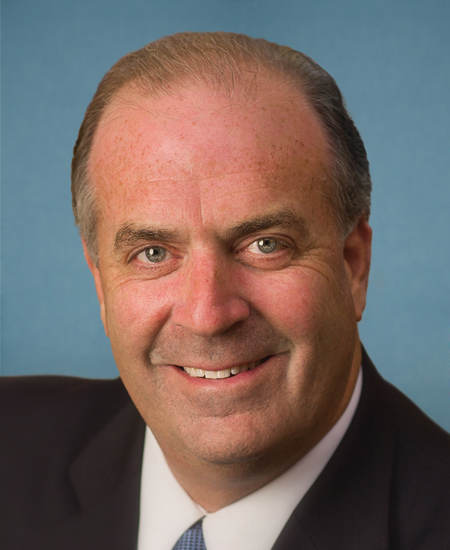
Rep. Daniel T. Kildee
Sponsored bills
Honoring Our Fallen TSA Officers Act This bill extends public safety officers' death benefits to Transportation Security Administration employees performing official duties related to protecting the nation's transportation systems.
Law Enforcement Protection Act of 2021 This bill includes armor-piercing, concealable weapons in the definition of firearm under the National Firearms Act.
Camp Lejeune Justice Act of 2021 This bill allows certain individuals to sue and recover damages for harm from exposure to contaminated water at Camp Lejeune in North Carolina between August 1, 1953, and December 31, 1987. This action is available only to individuals who were exposed to contaminated water for at least 30 days. The bill prohibits the U.S. government from asserting specified immunity from litigation in response to such a lawsuit. The bill also prohibits an individual who brings such an action from bringing a separate tort action against the United States based on the same harm.
Healthcare Workforce Resilience Act This bill makes previously unused immigrant visas available to nurses and physicians who petition for such a visa before the date that is 90 days after the end of the declared national emergency relating to the COVID-19 (i.e., coronavirus disease 2019) outbreak. The number of visas available shall be the total number of unused employment-based immigrant visas from FY1992-FY2020, up to 40,000. Of such visas, 25,000 shall be reserved for nurses and 15,000 for physicians. Certain family members may accompany the principal beneficiary of a visa provided under this bill, and visas for such family members shall (1) be made available from the unused visas from FY1992-FY2020, and (2) not be counted against the 40,000 cap. Visas provided under this bill shall be exempt from per-country limitations.
Equal Access to Abortion Coverage in Health Insurance Act of 2021 or the EACH Act of 2021 This bill requires federal health care programs to provide coverage for abortion services and requires federal facilities to provide access to those services. The bill also permits qualified health plans to use funds attributable to premium tax credits and reduced cost sharing assistance to pay for abortion services.
Help Extract Animals from Red Tape Act of 2021 or the HEART Act of 2021 This bill modifies notice requirements in a civil forfeiture proceeding that involves the seizure of an animal involved in animal fighting. Specifically, the government must notify interested parties of an animal's seizure within 30 days (currently, 60 days). The notice period may be extended only if a delay is warranted after considering certain factors, including the cost to the government of providing shelter for the animal, the health of the animal and the effect of a delay on its rehabilitation, any increased risk that a delay could necessitate the euthanasia of the animal, and any psychological harm incurred by the animal's owner due to the delay in disposition. Additionally, the bill authorizes amounts in the Department of Justice Assets Forfeiture Fund to be used to pay for costs associated with a seized animal, including transportation, shelter, care, veterinary services, and humane euthanasia.
Revising and Expediting Actions for the Crisis Hotline for Veterans Act or the REACH for Veterans Act This bill requires the Department of Veterans Affairs (VA) to update training and procedures for call responders of the Veterans Crisis Line. Specifically, the VA must enter into an agreement with an outside organization to review the training for crisis line call responders. The VA must update the training if any deficiencies are identified after the review. Among other requirements, the VA must develop guidelines on retraining and quality management for when a call responder has an adverse event or needs improvement, annually perform a common cause analysis for identified callers to the crisis line who died by suicide in situations where the crisis line was the last point of contact, develop enhanced guidance and procedures to respond to calls to the crisis line related to substance use and overdose risk, review the current emergency dispatch standard operating procedure of the crisis line, and solicit feedback from veterans service organizations on how to conduct outreach regarding the move to 988 as the new suicide and mental health crisis hotline. Each call responder must be subject to at least two calls per month that are silently monitored by a supervisor to check for quality of conduct. The Veterans Crisis Line, Office of Mental Health and Suicide Prevention of the VA, and National Center for Patient Safety of the VA must establish quality management processes and expectations for staff of the crisis line.
Veteran Peer Specialist Act of 2021 This bill requires the Department of Veterans Affairs (VA) to make permanent and expand the program that establishes at least two peer specialists in patient aligned care teams at VA medical centers to promote the use and integration of services for mental health, substance use disorder, and behavioral health in a primary care setting.
Lead Poisoning Prevention Act of 2021 This bill reauthorizes through FY2026 grants and programs carried out by the Centers for Disease Control and Prevention for screening and other public health activities to prevent childhood lead poisoning. Additionally, the bill changes the name of an advisory body that coordinates federal lead poisoning prevention efforts from the Interagency Task Force on the Prevention of Lead Poisoning to the Advisory Committee on Childhood Lead Poisoning Prevention. It also modifies the committee's membership, reporting requirements, and other duties.