

Maddy summaryHRES 1260 is a non-binding resolution expressing the U.S. House of Representatives' support for designating May 2024 as "Progressive Supranuclear Palsy Awareness Month." It recognizes progressive supranuclear palsy (PSP) as a rare neurodegenerative disease affecting approximately 30,000 Americans, with no known cure and symptoms including cognitive decline, balance issues, and speech difficulties. The resolution specifically supports raising public awareness, encourages research for better treatments and a cure, and commends efforts by patients, families, and organizations working to improve PSP care. As a symbolic gesture, it does not create new laws or allocate funding but aims to increase visibility for this under-recognized condition.
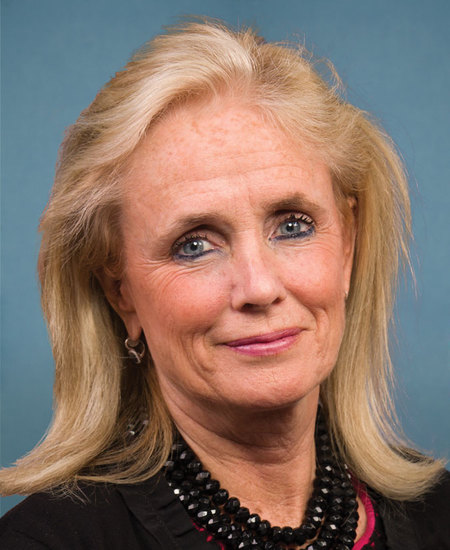
Rep. Debbie Dingell
Sponsored bills
Maddy summaryThe George Floyd Justice in Policing Act of 2024 establishes a National Police Misconduct Registry to track complaints and disciplinary actions against officers, requiring all federal, state, and local law enforcement agencies to report use-of-force incidents with racial, gender, and age data. It bans chokeholds and carotid holds in police encounters, prohibits no-knock warrants in drug cases, and reforms qualified immunity to make it harder for officers to avoid accountability for misconduct. The bill mandates body cameras for federal officers, requires independent investigations of officer-involved shootings, and creates new data collection systems to monitor racial profiling and use-of-force patterns. It also includes provisions for civilian oversight boards, improved officer training on de-escalation and implicit bias, and restrictions on military equipment transfers to local police departments. This law affects all law enforcement agencies receiving federal funding under programs like Byrne and COPS grants.
Maddy summaryThe SIREN Reauthorization Act (HR 4646) reauthorizes a federal program supporting rural emergency medical services (EMS) from 2024 through 2028. It directly affects rural EMS providers and personnel by requiring training on mental health and substance use disorders in emergency settings and allowing the acquisition of FDA-approved drugs for overdose treatment. Key provisions include updating the program's funding period, mandating new training standards for EMS staff, and expanding equipment access to include overdose-reversal medications. The bill amends Section 330J of the Public Health Service Act to implement these changes.
Maddy summaryHRES 1251 is a non-binding House resolution honoring Rosalynn Carter's decades-long advocacy for mental health policy and reducing stigma. It commemorates her role as a national leader, including chairing the President's Commission on Mental Health (leading to the 1980 Mental Health Systems Act), founding The Carter Center's mental health program, and co-founding the Rosalynn Carter Fellowships for Mental Health Journalism. The resolution expresses the House's gratitude for her work advancing mental health parity, access to care, and support for vulnerable populations. It does not create new policy but formally recognizes her legacy and The Carter Center's ongoing efforts in mental health advocacy.
Maddy summaryThis resolution (HRES 1252) honors emergency medical services (EMS) personnel across the United States for their critical work. It recognizes their 24/7 service in rural and underserved areas, their role in stabilizing and transporting patients during emergencies, and their dedication to public health care. The resolution specifically expresses appreciation for EMS workers during Emergency Medical Services Week (May 19-25, 2024). As a ceremonial resolution, it contains no new policies, funding, or legal requirements - only symbolic recognition of their contributions.
Maddy summaryThis bill reauthorizes existing mental health support programs for healthcare professionals under the Dr. Lorna Breen Act. It extends funding and reporting periods for two key initiatives: (1) an education campaign encouraging healthcare workers to access mental health services, and (2) programs promoting mental wellness within healthcare workplaces. The bill updates the timeline from 2022-2024 to 2025-2029 for both programs and requires grantees to focus on reducing administrative burdens for healthcare workers. It directly affects healthcare professionals by maintaining access to mental health resources and supports eligible entities like hospitals and health systems administering these programs.
Maddy summaryThis resolution (HRES 1238) symbolically supports designating May 17, 2024, as "Endangered Species Day" to raise public awareness about species conservation. It does not create new laws or policies but formally recognizes the importance of the Endangered Species Act of 1973, which has helped prevent extinction for over 99% of listed species. The resolution acknowledges the value of biodiversity, ongoing threats like habitat loss, and the Act's role in protecting species such as the California condor and whooping crane. It is a non-binding gesture by the House of Representatives aimed at promoting conservation awareness, not a legislative change affecting specific groups or policies.
Maddy summary# Summary of Legislative Text This is a comprehensive legislative proposal focused on addressing substance use disorder through public health approaches, with significant funding and program requirements. Key elements include: 1. **Major Funding Programs:** - **Subtitle A (Local Grants):** $3.0 billion annually (2024-2033) for local entities to provide prevention, treatment, and recovery services - **Subtitle B (State/Regional Grants):** $4.6 billion annually (2024-2033) for state-level programs - **Subtitle C (Other Grants):** $1.0 billion annually (2024-2033) for specific entities and underserved populations - **Subtitle D (Innovation/Training):** $1.5 billion annually (2024-2033) for training, research, and capacity building 2. **Key Program Requirements:** - Mandates for evidence-based treatment services across multiple levels of care - Requirements for cultural competency, particularly for Native American communities - Specific focus on harm reduction, prevention, and recovery support - Provisions for naloxone distribution and overdose reversal programs 3. **Regulatory Changes:** - New certification requirements for covered manufacturers, distributors, and dispensers of Schedule II controlled substances - Penalties for failure to submit certifications or submitting false certifications - Creation of a "Comprehensive Addiction Resources Fund" for penalty revenues 4. **Focus Areas:** - Prevention services (including trauma-informed approaches) - Early intervention services - Recovery support services - Harm reduction programs - Workforce development for treatment providers - Special attention to underserved populations (rural communities, racial minorities, formerly incarcerated individuals) 5. **Funding Priorities:** - 10% of funds for Native American communities - Specific requirements for cultural competency and language access - Mandated data collection and reporting systems This legislation represents a significant shift toward public health approaches to substance use disorder, emphasizing prevention, treatment, and recovery support rather than punitive measures, with substantial funding commitments over a decade.
Mamas First Act This bill requires state Medicaid programs to cover doula and midwife services, including prenatal, delivery, and postpartum services, in a variety of settings.
Maddy summaryThis bill requires call center employers (with 50+ full-time staff) to notify the Labor Secretary 120 days before moving operations overseas or contracting such work, adding them to a public list for 5 years. Employers on this list become ineligible for federal grants or loans during that period, and federal contracts must prioritize companies not relocating work overseas. It also mandates that all businesses handling customer service communications disclose agent locations at call start (with limited exceptions), allow transfers to U.S.-based agents upon request, and annually certify compliance to the FTC. These provisions directly affect large call center employers and all businesses providing customer service via phone, email, or chat in the U.S.