

Maddy summaryHRES 594 is a resolution recognizing the Older Americans Act of 1965 (OAA) nutrition program for its role in addressing hunger, malnutrition, and social isolation among seniors. The program provides meals, social interaction, and health checks to older adults (60+), particularly benefiting homebound individuals and those with chronic conditions. The resolution encourages Congress members to support local OAA programs by volunteering and advocating for sustained federal funding to meet growing demand. It emphasizes the program's proven cost-effectiveness in reducing Medicare/Medicaid costs through preventive health outcomes.
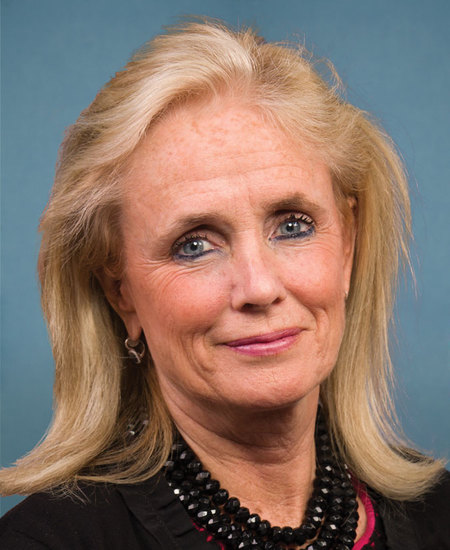
Rep. Debbie Dingell
Sponsored bills
Mercury 13 Congressional Gold Medal Act This bill provides for the award of a Congressional Gold Medal to commemorate the Mercury 13 in recognition of their accomplishments as part of the First Lady Astronaut Trainees (FLATs) Program (a privately funded project testing women pilots for astronaut fitness in the 1960s), their work for gender equity, and their example of women in the science, technology, engineering and mathematics (STEM) fields.
Maddy summaryHJRES 82 is a non-binding resolution stating that the Equal Rights Amendment (ERA) has been validly ratified by the required 38 states (including Virginia's 2020 ratification) and should be certified as the 28th Amendment to the U.S. Constitution. It directs the Archivist of the United States to fulfill their statutory duty under Title 1, U.S. Code, to certify and publish the ERA without delay. The resolution argues Article V of the Constitution has no ratification deadline, citing precedents like the 27th Amendment. It does not change the Constitution itself but urges the Archivist to complete the certification process. The bill affects the Archivist’s office, requiring them to act on the ERA’s ratification status.
Maddy summaryHRES 580 is a symbolic resolution expressing the House's support for designating "Journeyman Lineworkers Recognition Day." It honors lineworkers who work in hazardous conditions (such as at heights near live wires) and respond to disasters like hurricanes and wildfires, while recognizing their contributions and the legacy of Henry Miller, an early electrical worker who died on the job. The resolution has no legal effect - it solely encourages public recognition and reflection on these workers' service.
Wireless Electric Vehicle Charging Grant Program Act of 2023 This bill requires the Department of Transportation to establish a program that awards grants for projects to construct, install, or improve existing wireless charging infrastructure and technology for electric vehicles, including performance, safety, electromagnetic compatibility, interoperability, development, and testing of wireless charging. State and local governments, metropolitan planning organizations, transit agencies, and other eligible entities may apply for the grants.
Maddy summaryThis bill authorizes $30 million annually (2024-2028) for the National Institutes of Health to expand research on uterine fibroids, including studies on racial disparities (noting Black women are 80% likely to develop fibroids by menopause versus 70% of White women). It also requires the creation of a Medicaid database to track treatment services for fibroids and mandates a congressional report on related costs and coverage. The bill directs the Department of Health and Human Services to develop public education materials about fibroid symptoms, treatment options (including non-hysterectomy care), and racial prevalence differences. It directly affects women with fibroids - particularly those from racial minority groups - and aims to improve data collection and awareness around a condition causing significant health burdens and healthcare costs.
Maddy summaryThe Vehicle Innovation Act of 2023 authorizes the Department of Energy to consolidate and fund research, development, and commercialization of advanced vehicle technologies. It allocates $313 million to $367 million annually (2024-2028) for projects focused on improving fuel efficiency, reducing emissions, and advancing electric, hydrogen, and alternative-fuel vehicle systems. Key provisions include supporting domestic manufacturing of batteries, lightweight materials, and infrastructure, while requiring reports on technology adoption and U.S. job creation. The bill directly affects the Department of Energy, vehicle manufacturers, and technology developers by directing federal funding toward cleaner, more efficient transportation solutions.
Maddy summaryThe RISE from Trauma Act creates federal grants to support community-based coordination of trauma-informed services for children, youth, and families who have experienced or are at risk of trauma. It provides up to $6 million per grant to local entities that bring together diverse stakeholders (including schools, healthcare providers, law enforcement, and community organizations) to develop local strategies for preventing trauma, promoting resilience, and improving outcomes in health, education, and child welfare. The bill reauthorizes and expands existing programs like the National Child Traumatic Stress Network, school-based trauma support services, and hospital-based interventions for trauma patients. It also includes specific funding increases for these programs and requires grant recipients to prioritize communities with high rates of trauma exposure, including those affected by violence, substance misuse, or systemic inequities.
Maddy summaryThe DISCLOSE Act of 2023 would increase transparency in political spending by requiring organizations making campaign-related disbursements over $10,000 to disclose the names and addresses of their major donors, including the top five funders for political communications. It would close loopholes allowing foreign nationals to secretly fund election activities through corporations or other entities by expanding the definition of prohibited foreign contributions. The bill would mandate "stand by every ad" disclosure requirements for political communications across all media, including audio, video, and internet ads, requiring clear identification of funders. It would also require reporting of disbursements related to Federal judicial nominations, which currently aren't subject to disclosure requirements. These provisions would apply to corporations, labor organizations, and certain nonprofits that engage in political activity.
Maddy summaryThe IDEA Full Funding Act (HR 4519) mandates specific annual increases in federal funding for special education programs under the Individuals with Disabilities Education Act (IDEA). It requires Congress to appropriate increasing amounts each fiscal year - from $5.87 billion for 2024 up to $55.53 billion for 2033 - to reach 40% of the national average per-pupil expenditure for public schools by 2033. This directly affects all public school districts serving students with disabilities, as federal IDEA funding supports their special education services. The bill sets fixed dollar amounts or percentage targets (whichever is greater) for each fiscal year, aiming to gradually close the long-standing gap between promised and actual federal funding. It does not alter eligibility for services but mandates higher, phased funding levels to meet the 40% target.