

Maddy summaryThis bill requires the U.S. Department of Health and Human Services to launch a national education campaign about the risks and benefits of human cell and tissue transplants (including infectious disease risks like tuberculosis and sepsis) for both the public and healthcare providers. The campaign must be evidence-based, developed with input from experts like the CDC, and can fund nonprofit organizations to run public awareness activities. It also sets civil penalties of up to $20,000 per violation (or per day for ongoing violations) with a $10 million cap for safety rule breaches by transplant product providers. Additionally, the bill mandates a congressional report within two years on improving safety regulations and a review of donor eligibility guidance within three years.
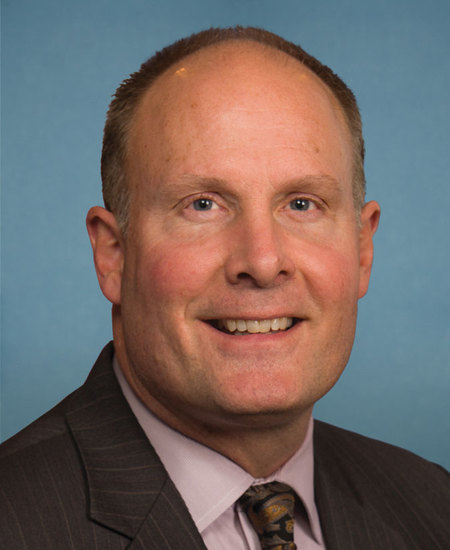
Rep. John R. Moolenaar
Sponsored bills
Maddy summaryThis bill amends the Social Security Act to require states to establish child support obligations for the biological father of an unborn child when the mother requests it. Key provisions include allowing support to begin from the month of conception (as determined by a physician), permitting retroactive payments even if paternity is established after birth, and requiring court determination of payment amounts based on the mother's and child's best interests. It prohibits forced paternity testing for unborn children if it risks harm and explicitly bans any experimental programs from modifying these provisions. The bill directly affects mothers of unborn children and biological fathers, expanding child support enforcement to cover pregnancy.
Maddy summaryThis bill, HR 6860, protects patients with end-stage kidney disease (ESRD) who require dialysis by preventing health insurance plans from discriminating against them. It amends Medicare rules to prohibit plans from treating dialysis coverage differently than other medical services based on a patient’s ESRD diagnosis, need for dialysis, or any other factor. The bill clarifies that plans can still choose which dialysis providers to include in their networks but cannot deny or limit coverage for dialysis services solely because of the patient’s condition. It ensures Medicare remains the secondary payer for these services as intended, without forcing plans to cover specific providers.
Maddy summaryThe PACE Expanded Act (HR 6590) expands access to the Program of All-inclusive Care for the Elderly (PACE) by allowing seniors to enroll at any time during the month - rather than only at month-start - while requiring prorated payments for mid-month enrollments. It also permits PACE providers to submit applications for new service areas or centers anytime, with applications deemed approved after 45 days unless denied. The bill establishes a pilot program to test expanded eligibility for high-need populations not currently covered by PACE, requiring providers to partner with community organizations and adapt care models. It mandates an evaluation of PACE’s effectiveness in rural areas, focusing on reduced hospitalizations, costs, and improved health outcomes for beneficiaries. These changes aim to make PACE more flexible for seniors, providers, and states, with key provisions effective January 2025.
Maddy summaryThe Maximum Pressure Act (HR 6114) is a legislative proposal that would maintain and expand U.S. sanctions against Iran. The bill would codify existing sanctions, require Iran to meet 12 specific conditions before sanctions could be lifted (including ending support for terrorism, releasing hostages, and ending nuclear enrichment), and expand sanctions on Iran's Revolutionary Guard Corps and missile programs. It also establishes new reporting requirements for the U.S. government to monitor Iran's activities and the impact of sanctions. The legislation would require congressional review before any sanctions could be lifted or modified, preventing the executive branch from unilaterally easing restrictions.
Maddy summaryThis bill, HR 5796, prohibits the Department of Health and Human Services from implementing a proposed rule requiring minimum staffing levels in nursing homes. It creates an advisory panel of 15 members - including rural nursing home staff and experts - to study workforce shortages and report on access barriers for seniors, especially in rural areas. The panel must submit an initial report within 60 days, analyzing staffing challenges and recommending solutions to strengthen the nursing home workforce. These provisions directly aim to prevent nursing home closures (like the 129 that occurred in 2022) that threaten rural seniors’ access to care.
Maddy summaryHR 5709 would amend the tax code to allow individuals who qualify for Medicare Part A due to age (typically 65+) to contribute to Health Savings Accounts (HSAs). Currently, Medicare beneficiaries are ineligible to contribute to HSAs, but this bill removes that restriction by updating the Internal Revenue Code. The key change adds a new eligibility category for Medicare Part A beneficiaries to the tax code provisions governing HSAs. This policy change directly affects seniors enrolled in Medicare Part A, enabling them to use HSAs for qualified medical expenses as part of their healthcare savings strategy. The amendment applies to contributions made after December 31, 2023.
Maddy summaryThis bill changes Medicare payment rules for anesthesiologist services in specific rural hospitals. It requires Medicare to pay for anesthesiologist services in qualifying rural hospitals using the same "reasonable cost, pass-through" reimbursement method currently used for certified registered nurse anesthetists (CRNAs), rather than the standard physician payment rate. The bill directly affects rural hospitals and anesthesiologists working in those facilities, ensuring they receive comparable reimbursement to CRNAs under existing rules. The change applies to services provided during cost reporting periods starting after the bill's enactment date. This is a technical adjustment to payment methodology, not a new coverage benefit.
Maddy summaryHR 5107, the Pandemic Unemployment Fraud Recoupment Act, extends the statute of limitations for enforcing fraud related to pandemic unemployment benefits from 3 years to 10 years across multiple programs, including Pandemic Unemployment Assistance, Federal Pandemic Unemployment Compensation, and Lost Wages Assistance. It requires states to recover overpayments from individuals who knowingly received benefits they weren’t entitled to, through deductions from future unemployment benefits, while maintaining existing due process protections like hearings before repayment. States may waive repayment if the overpayment wasn’t the individual’s fault or if repayment would be unfair. The bill applies directly to individuals who received pandemic-era unemployment benefits through fraudulent means, ensuring states have a longer timeframe to address these cases under established fraud procedures.
Maddy summaryThe Leveling the Playing Field 2.0 Act (HR 3882) updates U.S. trade law to better address international trade practices that disadvantage American businesses. It establishes special rules for handling multiple investigations of the same merchandise (called "successive investigations"), requiring the Commerce Department to consider previous injury determinations when making new findings. The bill also creates mechanisms to address market distortions from foreign government subsidies, including currency undervaluation, and strengthens procedures to prevent duty evasion through certification requirements for importers. These changes primarily affect foreign exporters of goods subject to U.S. antidumping and countervailing duty investigations, as well as U.S. importers of those goods.