

Maddy summaryHR 682, the Heartbeat Protection Act of 2025, prohibits physicians from performing abortions without first checking for a detectable fetal heartbeat according to standard medical practice and informing the patient of the results. It directly affects physicians and clinics performing abortions, requiring them to document heartbeat checks and comply with strict exceptions for life-threatening conditions, rape (with 48-hour documentation of counseling/treatment), or incest involving minors (with proof of prior report to authorities). Violations could result in fines or up to five years in prison, though the bill explicitly states it does not create or recognize a right to abortion. The law adds detailed documentation requirements for exceptions and mandates retention of medical records per federal health privacy rules.
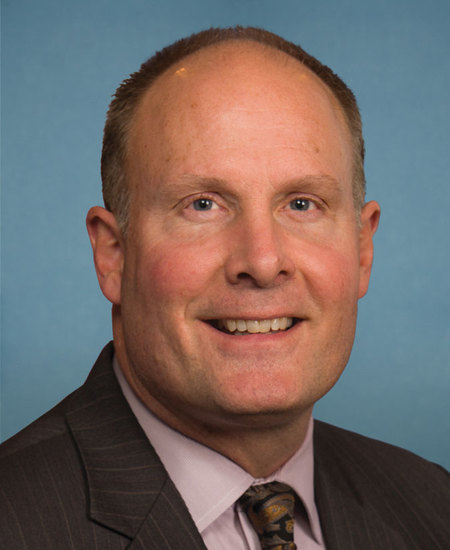
Rep. John R. Moolenaar
Sponsored bills
Maddy summaryThis bill requires the U.S. Office of National Drug Control Policy (ONDCP) to ensure the World Anti-Doping Agency (WADA) has fair U.S. representation and governance reforms within 90 days of enactment. It mandates ONDCP to assess whether WADA meets standards like independent athlete representation on its governing bodies, conflict-of-interest policies, and transparent decision-making. If WADA fails these standards, the U.S. can withhold all membership dues (up to 100% of annual payment) and must issue a report detailing barriers to U.S. participation. The bill directly affects U.S. athletes - particularly "independent athletes" (those not affiliated with Olympic bodies or WADA) - by shaping their influence on global anti-doping governance. It does not change anti-doping rules for athletes but sets U.S. policy for engaging with WADA.
Maddy summaryHJRES 28 proposes a constitutional amendment to permanently fix the number of justices on the U.S. Supreme Court at nine. This would require ratification by 38 state legislatures (three-fourths of states) within seven years to become part of the Constitution. The amendment directly affects the structure of the Supreme Court, which has had nine justices since 1869 but could otherwise be altered by future congressional action. It does not change current court operations or create new laws, but instead seeks to make the nine-justice composition a permanent constitutional requirement.
Maddy summaryThis bill prohibits federal funding from being provided to Planned Parenthood Federation of America or its related clinics. It redirects funds previously allocated to Planned Parenthood to other eligible providers like community health centers, hospitals, and clinics that offer women's health services. These services include contraception, cancer screenings, prenatal care, STI testing, and family planning - particularly in underserved areas. The bill explicitly states it does not reduce overall federal funding for women's health care or affect existing abortion-related funding restrictions.
Maddy summaryHR 632 prohibits federal funding (directly or indirectly) for colleges and universities that host or are affiliated with campus health clinics providing abortion drugs or abortions to students or employees. Institutions must annually certify to federal education and health agencies that no such services are offered at their campus sites. The bill defines "abortion drugs" broadly as any medication intended to terminate pregnancy (excluding cases for live birth, miscarriage management, or ectopic pregnancy treatment). This policy directly affects institutions receiving federal funds, requiring them to ensure campus health services comply with the prohibition to maintain eligibility.
Maddy summaryHR 7 prohibits federal funds from being used for abortions or health insurance plans covering abortion, with exceptions for pregnancies resulting from rape, incest, or when a woman's life is endangered. It blocks federal premium tax credits under the Affordable Care Act for health plans covering abortion (except in specified cases) and requires clear disclosure of abortion coverage and related surcharges in plan materials. The bill allows individuals or employers to purchase separate abortion coverage using non-federal funds, such as out-of-pocket payments, without affecting federal subsidies. It directly affects federal health programs, ACA marketplace plans, and health insurance issuers offering coverage that includes abortion services.
Maddy summaryHR 578, "Sarah’s Law," requires mandatory detention for certain non-citizens (aliens) charged with crimes resulting in death or serious bodily injury. It directly affects non-citizens facing such charges and their victims' families. Key provisions mandate that the Department of Homeland Security detain these individuals immediately and notify victims or their closest living relatives (like parents or spouses) about the alien’s identity, immigration status, custody details, and removal efforts. The bill adds specific categories of non-citizens to the mandatory detention list, including those whose visas were revoked or who are deportable for prior immigration violations. This creates a formal process for victim notification while expanding detention requirements under immigration law.
Maddy summaryHR 563 requires the Bureau of Alcohol, Tobacco, Firearms and Explosives (ATF) to destroy all firearm transaction records from discontinued businesses within 90 days of the law's enactment. It also amends a federal law to prevent future registration of such transactions by removing language that required these records to be delivered to the Attorney General. The bill mandates that the ATF submit a report to Congress detailing how many records were destroyed. This legislation directly affects ATF record-keeping procedures, not individual gun owners or firearm ownership rights.
Maddy summaryHR 502, the Protecting Infrastructure Investments for Rural America Act, modifies the rural surface transportation grant program under Title 23, U.S. Code. It redefines "small community" as areas outside urbanized zones with populations of 5,000 or less (down from 200,000), and requires that 5% of annual program funds support projects in these communities. The bill increases the federal share for eligible projects in small communities to 90% and mandates that projects must benefit economic development or quality of life in the community. These changes directly affect rural areas and small towns by prioritizing infrastructure funding for the smallest communities.
Maddy summaryHR 473, the SHOW UP Act of 2025, requires federal executive agencies to return to pre-pandemic telework policies within 30 days of enactment, limiting work-from-home options to those in place on December 31, 2019. Agencies must then conduct a 6-month study analyzing pandemic-era telework impacts - including effects on mission performance, costs from underused office space, and employee productivity tools - and submit a plan to Congress if they seek to expand telework beyond these baseline levels. The plan requires certification from the Office of Personnel Management confirming it will improve mission performance, reduce real estate costs, lower locality pay expenses, and ensure secure remote work capabilities without increasing agency costs. This bill directly affects all federal executive agencies (excluding the Government Accountability Office) and their employees by restricting telework flexibility and imposing strict requirements for any future expansion.