

Maddy summaryHR 1818, the Aviation Workforce Development Act, expands tax-advantaged 529 college savings plans to cover costs for aviation maintenance and commercial pilot training. It allows families to use 529 funds for tuition, fees, books, and equipment at qualifying schools - specifically aviation maintenance technician programs under FAA Part 147 rules or commercial pilot courses at FAA-certified flight schools (Part 61 or Part 141). The bill directly affects students pursuing these aviation careers by making their training more affordable through existing tax-advantaged savings accounts. The change applies to distributions made after the law's enactment date.
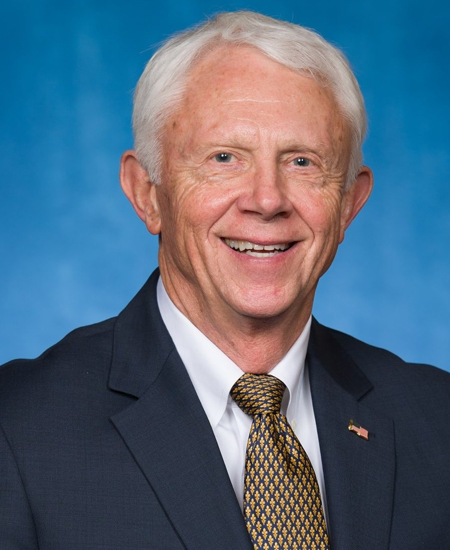
Rep. Jack Bergman
Sponsored bills
Maddy summaryHR 1771, the Improper Payments Transparency Act, requires federal agencies to include detailed explanations of improper payments in the President's annual budget. It directly affects executive agencies that already report improper payments under existing law (specifically under Chapter 33, Subchapter IV of the U.S. Code). The bill mandates agencies provide a narrative explaining *why* improper payment amounts and rates changed (or didn't change) for specific programs over the past three years, plus details on incomplete corrective actions and future steps to address these issues. This aims to increase transparency about government payment errors by making specific, factual data publicly available in the budget submission.
Federal Firearms Licensee Protection Act of 2025 This bill modifies criminal penalties for an offense involving the theft of a firearm from a licensed importer, manufacturer, or dealer, or from their business premises. Specifically, the bill does the following: increases from 10 to 20 years the maximum prison term, and creates a 3- or 5-year mandatory minimum prison term for an offense that occurs during the commission of a burglary or robbery. An attempt to commit an offense is subject to the same penalties as a substantive offense.
Maddy summaryThe PLUS for Veterans Act of 2025 regulates how agents and attorneys can represent veterans in claims for benefits with the Department of Veterans Affairs. It establishes new requirements for these representatives, including application processes, conditional recognition periods while verification occurs, and caps on fees (limiting them to $12,500 or 5 times the monthly benefit increase). The bill reinstates penalties for unauthorized fee charging, including fines up to $50,000 and bars from representation for repeat violations. This legislation directly affects veterans seeking benefits, their representatives, and the Department of Veterans Affairs in handling claims. The bill also preempts state laws that conflict with these new federal regulations.
Maddy summaryHR 1383 extends the Secure Rural Schools program, which provides payments to counties and states with federal land (like national forests) to support local schools and services. It reauthorizes these payments through fiscal year 2026, adding specific rules to ensure counties don’t receive duplicate payments for 2024 and 2025. The bill also extends related authorities for special projects on federal land and county fund expenditures through 2028-2029. This directly affects rural communities adjacent to federal lands that rely on these payments for education and infrastructure.
Maddy summaryThis bill amends federal mental health law to allow states to use up to 5% of their existing mental health funding for early intervention programs targeting children and adolescents. It requires states to include evidence-based prevention strategies in their plans - such as school-based support or community programs - to delay or reduce the severity of mental health issues before they become serious. States must report biennially to Congress on program details, demographics served (including age), and outcomes like reduced wait times for care. The law directly affects states receiving federal mental health funds and focuses on preventing escalation of mental health challenges in young people.
Maddy summaryThis bill freezes the minimum wage rate for H-2A agricultural workers at the level effective in each state on December 31, 2023, through December 31, 2026. It directly affects farms hiring H-2A visa workers and the workers themselves by maintaining current wage requirements. The bill clarifies that wage determination for these workers will use a "primary duties evaluation" to assess their main job tasks, rather than all duties performed. This provides stability in wage calculations for agricultural employers and workers during the specified period.
Maddy summaryHRES 163 is a non-binding resolution expressing the House of Representatives' goal that all U.S. students achieve grade-level reading proficiency as a foundation for success in school, work, and life. It encourages schools to implement 1-on-1 tutoring for students reading below grade level (5 days/week) and promotes collaboration between schools, states, and private organizations to develop literacy programs for both students and adults. The resolution cites research supporting these approaches but does not create new laws or mandate specific actions.
Maddy summaryHR 1573, the Military and Educational Data Integration Act, requires the Secretaries of Defense and Homeland Security to create a secure process for state education agencies to access specific demographic data about military members and applicants who graduated from high school in that state. The data includes educational attainment, military branch, test scores, and separation dates, allowing states to integrate this information into their education systems. The bill mandates strict privacy protections, requiring confidential transmission, compliance with existing privacy laws, and secure data handling practices. It does not change military recruitment policies or create new programs, focusing solely on enabling data sharing between military and education agencies.
Maddy summaryHR 1582, the Volunteer Driver Tax Appreciation Act of 2025, increases the mileage reimbursement rate for volunteers driving for qualifying organizations. It amends IRS Code section 170 to set a minimum rate of 14 cents per mile for volunteer driving, with the Secretary of the Treasury allowed to set a higher rate for transportation of persons or property on behalf of tax-exempt organizations (like charities or religious groups). This directly affects volunteers who drive for these organizations, allowing them to deduct higher mileage costs on their taxes. The change applies to taxable years beginning after December 31, 2024.