

Maddy summaryThe BUILD GREEN Infrastructure and Jobs Act establishes a $50 billion annual grant program (2025-2034) to fund electrified transportation infrastructure projects that reduce greenhouse gas emissions and improve transportation access. It prioritizes projects in frontline, vulnerable, or disadvantaged communities (requiring 40% of funds), with 30-40% allocated to rural areas and 60-70% to urban areas. The bill mandates recipients use 5% of grant funds for workforce training, pay a minimum wage of $17 per hour (increasing annually), and use renewable energy sources for project operations. Eligible projects include electric buses, rail systems, port infrastructure with EV charging, and micromobility initiatives that reduce emissions and improve transportation services.
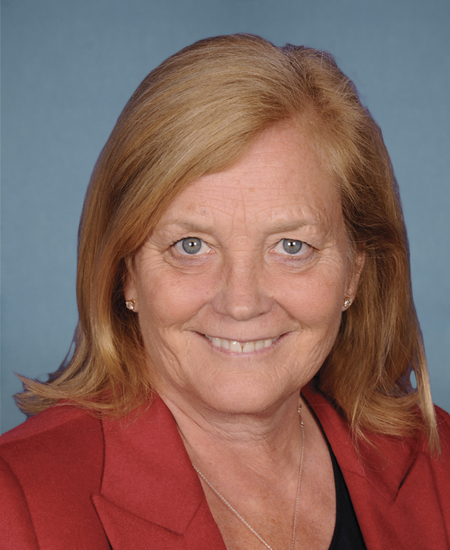
Rep. Chellie Pingree
Sponsored bills
Maddy summaryThis bill codifies the Environmental Protection Agency's 2023 determination that the Pebble Mine project would cause unacceptable harm to Bristol Bay's salmon habitats. It makes the EPA's prohibition on the mine's waste disposal sites legally binding, directly affecting the Pebble Mine developers and protecting the watershed. The key provision permanently enforces the EPA's finding that the mine would destroy critical salmon streams, wetlands, and fishery areas vital to the region's ecosystem and Indigenous subsistence culture.
Maddy summaryHRES 1177 designates May 5, 2024, as the "National Day of Awareness for Missing and Murdered Indigenous Women and Girls." The resolution expresses congressional support for this designation, calls on the public to commemorate affected individuals and show solidarity with families, and recommends the Department of Justice commission a new study on the crisis to update statistics since the 2016 report. It directly affects awareness efforts for Indigenous communities and families impacted by violence, while acknowledging ongoing gaps in addressing the crisis despite prior legislation like Savanna’s Act. The resolution does not create new laws or funding but focuses on recognition and data collection.
Maddy summaryHRES 1166 is a symbolic resolution expressing congressional support for Earth Day. It urges the President to issue an Earth Day proclamation, encourages Americans to take specific environmental actions (like addressing pollution and supporting indigenous stewardship), and calls for global efforts to advance climate goals. The resolution does not create new laws or directly affect any groups - it serves as a non-binding statement of support for environmental action. It references historical environmental milestones but focuses on reaffirming the need for year-round climate and environmental protection efforts.
Maddy summaryThis bill establishes a 10-year phaseout of nonessential uses of perfluoroalkyl and polyfluoroalkyl substances (PFAS), often called "forever chemicals," requiring manufacturers and users to report on current uses and develop phaseout plans. Specific timelines are set for different product categories, such as a 1-year phaseout for food packaging, carpets, and juvenile products, and a 5-year phaseout for outdoor apparel for severe wet conditions. The bill creates "Centers of Excellence" for PFAS detection and remediation research, mandates new reporting and monitoring mechanisms, and establishes enforcement provisions including civil penalties for violations. It directly affects manufacturers, users, and distributors of PFAS-containing products, as well as environmental agencies responsible for implementation.
Maddy summaryHR 8042, the Community Paramedicine Act of 2024, creates a federal grant program to fund community paramedicine programs that use specially trained paramedics to address health needs outside emergency settings. The program provides up to $25 million annually (2025-2029) for grants to eligible entities like local governments, emergency medical services agencies, and Tribal communities, with 15% reserved for Tribal programs. Funds can cover hiring staff, purchasing equipment, training, and public outreach to improve access to care for underserved populations while reducing unnecessary use of emergency resources. Grantees must report on program outcomes, and the Secretary must submit a report to Congress detailing cost-savings and best practices for rural and underserved communities.
Maddy summaryHR 8061, the Crime Victims Fund Stabilization Act of 2024, ensures stable funding for the Crime Victims Fund by directing certain False Claims Act collections into it from 2024 through 2029. Specifically, it adds a provision requiring that amounts collected under the False Claims Act (excluding whistleblower rewards and government reimbursement for damages) be deposited into the fund during this period. This directly affects crime victims who rely on the fund for services like counseling and emergency aid, as it prevents potential shortfalls in funding. The bill makes a concrete policy change by redirecting specific federal civil penalties into the fund, rather than altering the fund's existing purposes or eligibility rules.
Maddy summaryHR 8025, the Blast Overpressure Safety Act, requires the Department of Defense to implement new protocols for monitoring and addressing blast-related brain injuries among military personnel. The bill mandates baseline and annual neurocognitive assessments for all service members, establishes detailed blast exposure logs tracking each member's cumulative exposure to weapons firing and training, and sets safety thresholds for blast overpressure exposure. It also creates a Warfighter Brain Health Initiative requiring evidence-based prevention strategies, specialized treatment programs for high-risk personnel, and regular reporting on brain injury incidents to Congress. The legislation requires the Department to document all blast exposures, track treatment outcomes, and publish annual reports on the effectiveness of these safety measures.
Maddy summaryThe Love Lives On Act of 2023 modifies benefits for surviving spouses of military veterans and service members. It removes an expiration date on the Marine Gunnery Sergeant John David Fry Scholarship for surviving spouses, ensures remarriage doesn't automatically end eligibility for veterans' dependency and indemnity compensation, and expands access to commissary and exchange privileges for remarried surviving spouses. The bill also clarifies that remarried widows or widowers whose subsequent marriage ended (due to death, divorce, or annulment) can still be considered dependents under TRICARE. These changes directly affect surviving spouses of veterans and military members who have remarried or are considering remarriage, providing more consistent benefits regardless of marital status.
Maddy summaryHR 1083, the Caring for Survivors Act of 2023, increases financial support for surviving spouses of veterans. It amends Title 38 to raise dependency and indemnity compensation from a fixed $1,154 to 55% of the monthly compensation rate under section 1114(j), effective six months after enactment. The bill also modifies eligibility for survivors of veterans who died before 1993, ensuring they receive the greater of their current benefit or the new calculation. Additionally, it reduces the required continuous service rating period for survivors from 10 years to five years when a veteran was totally disabled at death. These changes directly affect surviving spouses, particularly those with veterans who died prior to 1993.