

This resolution states that the House of Representatives condemns the February 1, 2021, military coup in Burma (Myanmar) and denounces the Burmese military for human rights violations. The resolution calls on the Burmese military to end violence against prodemocracy activists and release political prisoners.
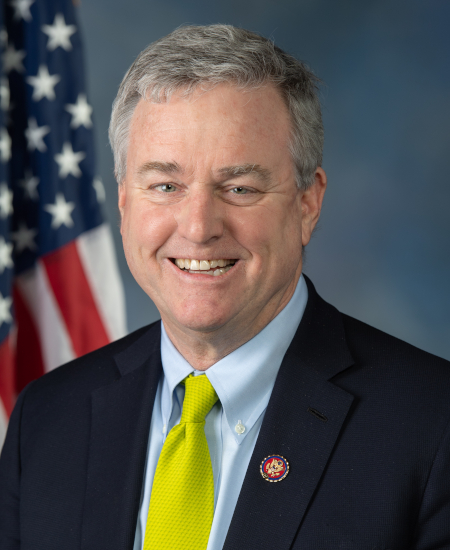
Rep. David J. Trone
Sponsored bills
Maddy summaryHR 715, the Bipartisan Background Checks Act of 2023, requires background checks for all firearm transfers between private individuals, not just those through licensed dealers. It mandates that unlicensed sellers must involve a licensed dealer to conduct a background check before transferring a firearm, with exceptions for family transfers (like spouses or parents/children), law enforcement, temporary safety transfers, and certain hunting or range activities. The bill also requires licensed dealers to provide a notice and certification form in both English and Spanish to buyers. It explicitly states it won't create a national gun registry or override state laws on the same topic. The law would take effect 180 days after enactment.
Maddy summaryHR 727 establishes a 12-member National Council on African American History and Culture within the National Endowment for the Humanities (NEH). The Council, appointed by the President with Senate consent, advises the NEH on preserving and celebrating African-American history and culture. Its key duties include evaluating NEH programs, gathering information on cultural trends, developing national policy recommendations, and submitting annual reports to the NEH Chair. The Council terminates 10 years after the bill's enactment, with members serving five-year terms (initially staggered) and receiving partial compensation for their service.
Maddy summaryThis bill helps new car dealers affected by pandemic-era supply chain disruptions by changing tax rules for inventory sales. It allows dealers using LIFO accounting to treat certain sales of unsold vehicles (liquidations) between March 2020 and December 2021 as "qualified" for tax purposes. Dealers can defer recognizing income from these sales and have until 2026 to replace the sold vehicles before potential tax adjustments apply. The provision specifically targets dealers who couldn't replenish inventory during the supply chain crisis.
Veterans Census-Enabled National Treatment Equitable Resource Supplement for Mental Health Act of 2023 or the Vet CENTERS for Mental Health Act of 2023 This bill requires the Department of Veterans Affairs (VA) to ensure that there is a minimum number of Vet Centers located in each state. Vet Centers are community-based counseling centers that provide social and psychological services to eligible veterans, service members, and their families. The minimum number of Vet Centers required in each state is generally based on the state's geographic size or the number of veterans located in the state. The VA must establish additional Vet Centers as necessary to meet the minimum required number for each state. The VA may establish the additional Vet Centers at facilities made available by a state, local government, or recognized Indian tribe. If a state needs more than one additional Vet Center to meet its minimum requirement, the VA must establish at least one additional Vet Center and may establish Vet Center outstations to cover the difference.
Maddy summaryHR 709, the Muhammad Ali Congressional Gold Medal Act, authorizes Congress to award Muhammad Ali a gold medal in recognition of his life and achievements. The bill directs the Secretary of the Treasury to strike a gold medal for presentation by congressional leaders, which will then be given to Ali's widow, Lonnie Ali. Duplicate bronze medals may be sold to cover production costs, with proceeds deposited into the U.S. Mint fund. This is a commemorative measure, not a policy change affecting laws or programs.
Maddy summaryHR 660, "Ethan's Law," requires gun owners in homes where minors (under 18) or individuals prohibited from owning firearms under federal/state law reside to store firearms securely. It makes unsecured storage unlawful if a minor or prohibited person could access the firearm, with fines of $500 per violation and enhanced penalties (up to 5 years in prison) if injury or death occurs. The bill also establishes a federal grant program to help states implement similar secure storage laws and provides funding incentives for states that already have such laws in place.
Maddy summaryHR 666, the Access to Counsel Act, requires U.S. immigration officers to provide certain travelers a meaningful opportunity to consult with legal counsel within one hour of starting secondary inspection at ports of entry. It directly affects travelers including U.S. citizens, lawful permanent residents returning from abroad, visa holders, refugees, and parolees seeking entry. Key provisions mandate phone access to counsel, allow advocates to present evidence to officers, and require in-person meetings when possible. Lawful permanent residents cannot abandon their status without first consulting a lawyer unless they waive this right in writing. The bill takes effect 180 days after enactment.
Disaster Reforestation Act This bill sets forth a special rule for the tax deduction for casualty losses of uncut timber (including pre-merchantable timber). It provides that in losses of any uncut timber from fire, storm, insects, invasive species, drought, or other casualty, or from theft, the basis for determining the amount of the deduction for such loss shall not be less than the excess of the value of such timber determined immediately before such loss was sustained, over the salvage value of such timber. To be eligible for the casualty loss deduction, the uncut timber subject to the loss must be reforested not later than the close of the five-year period beginning on the date of the loss.
Maddy summaryThis bill amends the Higher Education Act to allow colleges to use Federal Work-Study funds to pay college students for tutoring and mentoring in after-school programs at public elementary and secondary schools. It requires colleges to prioritize schools in low-income communities and establishes a registration process for schools to participate. Key provisions include expanding work-study funding to cover after-school activities (like tutoring), allowing federal funding to exceed 75% of student compensation, and requiring training for students providing these services. The policy directly affects participating colleges, K-12 schools, and college students working in these programs.