Maddy summaryHR 6063, the Empowering Striking Workers Act of 2023, modifies unemployment insurance rules to provide benefits for workers unable to work due to strikes or lockouts. It directs that unemployment compensation begins 14 days after a strike starts, or earlier if permanent replacements are hired, a lockout begins, or the dispute ends. The bill directly affects workers participating in labor disputes by making them eligible for benefits under these specific conditions, rather than requiring them to meet standard job search requirements. This change is implemented through amendments to the Internal Revenue Code and Social Security Act.
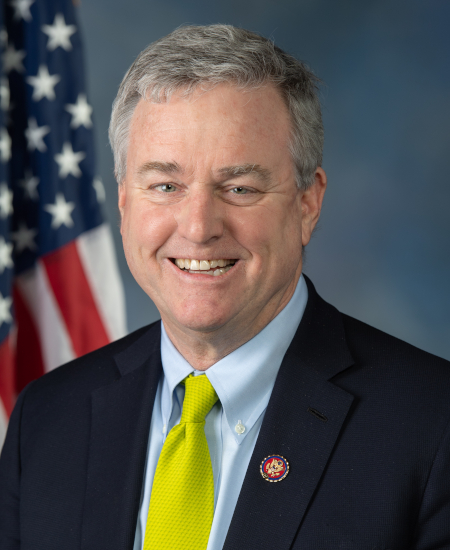
Rep. David J. Trone
Sponsored bills
Maddy summary# Summary of the Proposed "States Reform Act" This comprehensive federal legislation proposes to comprehensively reform U.S. cannabis policy by: 1. **Decriminalizing and regulating cannabis**: Removing cannabis from Schedule I of the Controlled Substances Act and establishing a federal regulatory framework similar to alcohol regulation. 2. **Creating a regulatory structure**: - Establishing a federal excise tax of 3% on cannabis products - Creating categories for different cannabis products (flower, pre-rolls, extracts, etc.) - Implementing packaging, labeling, and safety requirements - Establishing a certification process for designated State medical cannabis products 3. **Medical cannabis provisions**: - Creating a process for FDA to certify medical cannabis products - Allowing for specific medical indications (arthritis, nausea, pain, PTSD, etc.) - Permitting State medical cannabis programs to operate under federal framework - Creating a "Law Enforcement Retraining and Successful Second Chances Fund" (30% of tax revenue) 4. **Business and economic provisions**: - Removing barriers for cannabis-related businesses to access SBA loans - Establishing "cannabis-related legitimate business" definitions - Creating new reporting requirements for the cannabis industry - Mandating demographic data collection on cannabis industry workers 5. **Veterans' access**: - Prohibiting federal employment discrimination against veterans who use medical cannabis - Allowing VA health providers to discuss State-approved medical cannabis programs with veterans 6. **Other key provisions**: - Establishing a "cannabis" term to replace "marijuana" or "marihuana" in all federal law - Allowing veterans to have security clearances reconsidered if denied for cannabis use - Creating international trade policy for cannabis - Mandating continued federal drug testing for employees in certain positions - Establishing a 10-year moratorium on increasing cannabis excise tax The bill would establish a comprehensive federal framework for legal cannabis that would operate alongside existing State programs, with detailed tax, regulatory, and reporting requirements. It would also include significant provisions to address social equity, veterans' access, and economic opportunities in the emerging cannabis industry.

Maddy summaryThe SAFE in Recovery Act protects pregnant and postpartum individuals with substance use disorders by prohibiting toxicology testing without consent and preventing child welfare investigations based solely on prescribed medications for treatment. It establishes a Federal interagency task force to coordinate services across multiple departments and allocates $500 million for community health centers to expand behavioral health services. The bill also provides $60 million annually for Head Start programs to support children from families impacted by substance use disorder. These provisions aim to improve access to care while preventing unnecessary family separations.
Maddy summaryHR 5840, the Transportation Security Screening Modernization Act of 2024, simplifies the process for transportation workers to obtain multiple TSA security credentials. It requires the TSA to allow individuals to apply for and renew programs like the TWIC (Transportation Worker Identification Credential) and HAZMAT Endorsement through a single enrollment at any TSA center, with a combined fee lower than separate applications. The bill mandates coordinated expiration dates for all credentials and ensures state-issued commercial driver's licenses reflect the correct HAZMAT endorsement validity. These changes aim to reduce duplication and costs for workers needing multiple security clearances. The TSA must implement these changes within two years and publish details online.
Maddy summaryThis bill (HR 5752) modifies health insurance rules to improve access to mental health care. It prevents health insurance plans from being classified as "high deductible" if they waive deductibles for the first $500 of mental health benefits (like therapy or counseling) each year. This change directly affects health insurance plans and their members, ensuring those plans can still qualify as high deductible plans while offering more accessible initial mental health coverage. The provision applies to plan years starting after December 31, 2023.
Maddy summaryThe End Diaper Need Act of 2023 creates a federal program that will provide free diapers and incontinence supplies to low-income families with infants, toddlers, medically complex children (3+ years old with chronic health conditions), and low-income adults with disabilities. It allocates $200 million annually from 2024-2027 to fund this assistance through states and community organizations, making medically necessary diapers eligible for reimbursement through health savings accounts and other health benefit programs. The legislation requires integration with existing services like Medicaid, WIC, and TANF, and includes annual reporting requirements and an evaluation of the program's effectiveness within two years.
Maddy summaryThe MORE Act (HR 5601) would federally decriminalize cannabis by removing it from the Schedule I list of controlled substances under the Controlled Substances Act. It requires federal courts to expunge non-violent cannabis convictions and associated arrests, with a focus on addressing racial disparities in cannabis enforcement. The bill creates an Opportunity Trust Fund that would allocate 50% of funds to criminal justice programs, 20% to small business assistance for minority cannabis entrepreneurs, and 20% to community reinvestment grants for individuals impacted by the War on Drugs. It also prohibits federal agencies from denying benefits or security clearances based on cannabis use or past cannabis convictions, and establishes a Cannabis Justice Office to administer these programs.
Maddy summaryThe CARE for Moms Act aims to reduce maternal mortality in the United States by improving healthcare access and quality for pregnant and postpartum women, with specific attention to racial disparities. Key provisions include requiring 12-month continuous Medicaid coverage for postpartum individuals (up from 60 days), expanding oral health coverage during pregnancy, and funding State-Based Perinatal Quality Collaboratives through $35 million annual grants. The bill specifically targets the higher maternal mortality rates faced by Black women, who are about 3 times more likely to die from pregnancy-related causes than White women. It also includes provisions for doula services, rural mobile health units, and improved data collection on maternal health outcomes.
Maddy summaryThis bill prohibits government agencies from using administrative offset to withhold Social Security, Railroad Retirement, or Black Lung benefits to pay other debts. It nullifies specific provisions in federal law (31 U.S.C. § 3716(c)(3)) that allowed such offsets, effectively banning this practice. The law directly affects beneficiaries of these programs who previously had benefits reduced or withheld for unrelated debts like student loans or taxes. The change applies to all collections occurring after the bill's enactment, covering claims arising before, on, or after that date.
Maddy summaryThis bill allows employees to directly transfer funds from a health flexible spending account (FSA) or health reimbursement arrangement (HRA) to a health savings account (HSA) when switching to a high-deductible health plan after a gap in coverage. It sets a dollar limit on these transfers based on annual HSA contribution rules and requires the transfer to occur after a significant period without coverage. Employers must report these transfers on employees' W-2 forms. The changes apply to distributions made after December 31, 2023.