

Maddy summaryThis bill changes how the VA calculates benefits for veterans with health conditions linked to military sexual trauma. It requires the VA to start paying retroactive benefits from the day after a veteran's military discharge, rather than from the claim filing date. This directly affects veterans diagnosed with covered mental or physical health conditions resulting from military sexual trauma. The key provision amends VA law to mandate retroactive payments beginning at discharge, ensuring veterans receive compensation for the full period they were discharged until the claim is approved. It does not alter eligibility but changes the effective date for payment calculations.
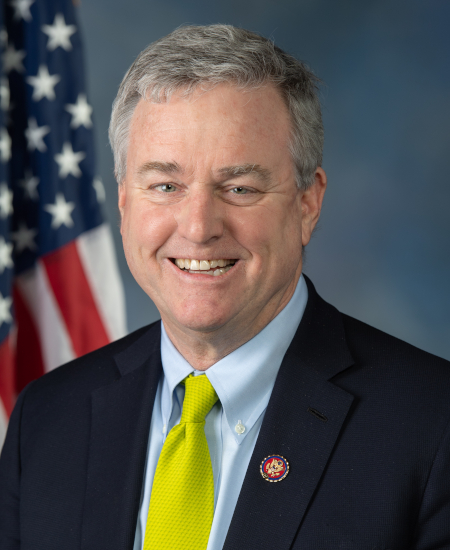
Rep. David J. Trone
Sponsored bills
Maddy summaryHR 6301, the Cancer Drug Parity Act of 2023, requires group health plans to ensure that out-of-pocket costs for oral anticancer drugs (taken by patients at home) are no higher than for intravenous or injected anticancer drugs. It applies to patients prescribed oral anticancer medications approved by the FDA and deemed medically necessary or clinically appropriate by their physician. The law prohibits insurers from increasing patient costs for oral drugs through benefit changes, such as higher copays or stricter coverage limits, and allows prior authorization for all chemotherapy. The law takes effect for 2024 plan years, and the GAO will study its impact on patient costs within two years.
Maddy summaryHR 6290, the Recidivism Reduction Transparency Act of 2023, requires states and localities receiving federal grants for offender reentry programs to submit detailed annual reports. These reports must now include specific recommendations for replicating successful reentry projects, in addition to standard performance data. The Department of Justice must then compile and publicly release an annual summary of all grantees' results, including strategic outcomes and progress. This bill directly affects states and local governments managing federal reentry grants and the Justice Department, focusing on increasing transparency around program effectiveness without changing the core grant program itself.
Maddy summaryThis bill requires colleges and universities planning to close to create and submit a detailed record-management plan to their accrediting agency. The plan must cover how student records (including transcripts, billing, and financial aid) will be stored, accessed, and handled after closure, along with a timeline for providing student contact lists to federal and state agencies. It also mandates that institutions release all financial holds on records and stop charging students for copies for one year after closing, with a possible nominal fee after that period. These requirements apply to any institution notifying its accreditor of intended closure, starting five years after the bill's enactment.
Maddy summaryThe SHIP Act imposes sanctions on foreign entities that knowingly handle Iranian petroleum, targeting those involved in port operations, transportation, refining, or ship-to-ship transfers of Iranian oil. Starting 90 days after enactment, the President must block assets, deny visas, and impose penalties on individuals or companies engaging in these activities, including family members or owners of sanctioned entities. It requires annual reports tracking Iran's oil exports, revenues, and key players like shipping companies and ports. The sanctions terminate if the President certifies Iran has stopped supporting terrorism and dismantled weapons programs.
Maddy summaryHR 6204, the "See the Board Act," establishes a federal grant program to provide free eye care services to students in public elementary and secondary schools. The bill directs the Health and Human Services Secretary to fund nonprofit organizations that operate mobile eye clinics using portable equipment to deliver screenings, exams, and glasses directly at schools. This program covers costs for equipment, personnel, and operational expenses, targeting students in schools defined under the Elementary and Secondary Education Act. The initiative is authorized for fiscal years 2024 through 2029.
Maddy summaryHR 6172, the AMMO Act, requires federal firearms licensees (dealers/manufacturers) to implement new rules for selling ammunition to non-licensed buyers. It prohibits transfers exceeding 100 rounds of .50 caliber or 1,000 rounds of other calibers within any 5-day period and mandates written certification from buyers confirming they haven’t exceeded these limits. Licensees must also conduct background checks through the National Instant Criminal Background Check System (NICS) before selling ammunition to non-licensed individuals, similar to firearm sales. The bill includes recordkeeping, signage, and reporting requirements for violations, with penalties including fines up to $250,000 for licensees and $50,000 for buyers making false statements.
Maddy summaryThe GROWTH Act of 2023 expands funding for nursing workforce training by making community colleges and their healthcare partnerships eligible for grants under the Nurse Education, Practice, Quality, and Retention program. It directly affects community colleges with existing nursing programs and partnerships between these colleges and healthcare facilities like Federally Qualified Health Centers. The bill requires the Secretary of Health and Human Services to prioritize up to 50% of annual funding for these community colleges or their partnerships. This changes how funds are distributed, ensuring a significant portion supports workforce development at the community college level.
Maddy summaryThis bill, the PROTECT Act, creates a federal initiative focused on reducing youth and young adult e-cigarette use. It directs the CDC to conduct research on youth e-cigarette use patterns, marketing, health impacts, and effective prevention strategies, while developing guidance for healthcare providers and schools. The initiative also mandates a public education campaign about e-cigarette risks and allocates $100 million annually (2024-2028) to fund state programs targeting youth tobacco prevention and cessation services. It directly affects youth and young adults (ages 13-24), healthcare systems, schools, and state health departments through these research, education, and funding mechanisms.
Maddy summaryHR 5976, the Youth Mental Health Research Act, establishes a new NIH research initiative led by the National Institute of Mental Health. The bill directs collaboration between three NIH institutes to coordinate research on youth mental health, focusing specifically on building community resilience for at-risk youth and improving how mental health services reach young people in schools, communities, and other settings where they live and work. It authorizes $100 million annually for fiscal years 2024 through 2028 to fund this research. The bill does not create direct services but aims to generate evidence to inform future mental health support strategies for young people.