This resolution supports the designation of National Microtia and Atresia Awareness Day. Microtia is a congenital condition affecting the outer ear; it is often accompanied by aural atresia (the absence or closure of the external ear canal resulting in hearing loss).
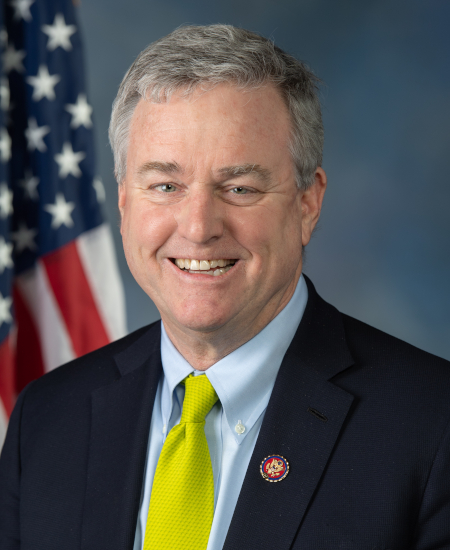
Rep. David J. Trone
Sponsored bills
Maddy summaryHR 3601, the Student Veteran Work Study Modernization Act, expands eligibility for a Veterans Affairs work-study allowance to veterans enrolled at least half-time in rehabilitation, education, or training programs - lowering the previous requirement from three-quarter-time. The bill establishes a five-year pilot program to test this change, requiring the VA to apply the same allowance rules to these veterans as to other participants, except for the enrollment threshold. It also mandates annual reports to Congress tracking participation numbers, four-year degree completion rates, and full-time VA employment outcomes for participants. The policy directly affects veterans seeking education benefits while balancing academic and personal responsibilities.
Maddy summaryThis bill amends federal transit grant rules to encourage housing near transit by adding incentives for projects that support "pro-housing policies." It defines such policies as local actions removing regulatory barriers to housing construction, including reducing parking minimums, creating faster approval processes for multi-family housing, and eliminating height restrictions. Transit project applicants can earn an extra point in their grant rating if they submit evidence of these policies in areas near transit, with the Department of Transportation consulting the Housing Secretary to assess how the policies will increase housing supply. The bill directly affects state and local governments implementing these policies and transit project applicants seeking federal capital investment grants.
Maddy summaryThis resolution designates the week beginning November 13, 2023, as "National Apprenticeship Week" through symbolic congressional support. It does not create new laws or programs but formally recognizes the value of registered apprenticeships in providing paid on-the-job training, industry credentials, and career pathways. The resolution highlights apprenticeships' role in developing skilled workers, supporting high-wage sectors like healthcare and green energy, and promoting diversity in training opportunities. It aims to increase public awareness of apprenticeships as an effective "earn-and-learn" model for workers and employers.
Maddy summaryThis bill establishes a federal working group under the Department of Health and Human Services to standardize how loneliness and isolation are measured across government agencies and research. The Working Group, composed of HHS agencies, state representatives, and experts, will develop consistent definitions and measurement tools to improve data collection for public health research and healthcare planning. It aims to create reliable methods for tracking these issues across populations and fields, with a report due to Congress within one year of enactment. The effort expires in 2026, focusing solely on measurement standards rather than direct services or funding.
Maddy summaryHR 6251, the HERO Act, provides $1 billion in federal grants to K-12 schools (both public and private) to purchase opioid overdose reversal drugs and develop staff training programs. Schools receiving funds must create emergency response plans for staff and implement educational resources on overdose prevention, CPR, and emergency response. Priority is given to schools in areas with high opioid overdose rates. Grantees must report drug usage and training outcomes to national health databases like NEMSIS and ODMAP.
Maddy summaryThe Advanced Coursework Equity Act aims to increase access to advanced courses like AP, STEM programs, and Algebra I for students in under-resourced schools, particularly focusing on historically underrepresented groups including Black, Latino, Native American students, students with disabilities, English learners, and low-income students. The bill establishes a federal grant program requiring states and schools to implement either "open enrollment" (allowing any student to enroll in advanced courses without academic prerequisites) or "universal screening" (systematically screening all students for advanced courses based on objective measures) to improve equitable access. It mandates data collection and reporting on enrollment and performance by student subgroups (race, disability, socioeconomic status, etc.) and sets specific 3-year equity goals for each subgroup. The grant program provides funding to states and schools to support these changes, with requirements for staff training, advisory councils, and communication with families about advanced course opportunities.

Maddy summaryHR 6327, the Youth Financial Learning Act, provides federal grants to state education agencies to integrate financial literacy education into public elementary and secondary schools. States use these funds to develop curricula covering topics like budgeting, credit, and student loans, and to award subgrants to local schools, prioritizing high-need areas. States must contribute 25% of the grant amount from non-federal sources and ensure programs sustain beyond the grant period. The bill directly affects public K-12 schools, requiring them to embed financial literacy into classroom learning and partner with community organizations for after-school programs. It authorizes funding for fiscal years 2024 through 2027.
Maddy summaryThe Fair Warning Act of 2023 amends the Worker Adjustment and Retraining Notification (WARN) Act to require employers with 50+ employees or $2 million+ annual payroll to provide 90 days' written notice before site closings or mass layoffs. The bill specifies that employers must notify affected employees, state dislocated worker units, local governments, and the Department of Labor, including details about the number of affected employees, reason for the layoff, recall date, and available benefits. Exceptions to the 90-day notice period include natural disasters, terrorist attacks, public health emergencies, and potential new business or financing. Employers who fail to provide required notice may face penalties, including back pay for affected employees. The bill also establishes a public database of layoff notices maintained by the Department of Labor for transparency.
Maddy summaryThe FAMILIES Act creates a program allowing courts to divert eligible parents and caregivers from incarceration into community-based supervision instead of prison or probation. Eligible individuals include parents of minor children, expectant parents, and caregivers for minors, elderly, or disabled family members. The program provides comprehensive services like education, job training, substance abuse treatment, and family counseling, with provisions to prevent financial barriers from hindering participation. Courts must consider factors like caregiver responsibilities and risk to family members when determining eligibility, and successful participants may qualify for record expungement.