

Maddy summaryThis bill amends the Equal Credit Opportunity Act to require lenders to collect and report data on loans to LGBTQI-owned businesses. It specifically adds "LGBTQI-owned" to existing categories for data collection, includes sexual orientation, gender identity, and intersex status as protected characteristics in lending data, and defines an "LGBTQI-owned business" as one where over 50% of ownership/control and net profit/loss accrues to self-identifying LGBTQI individuals. The policy change directly affects financial institutions that report lending data to the government, mandating they track and disclose these new categories. This provides concrete data on lending practices for LGBTQI business owners, who face documented barriers in accessing credit.
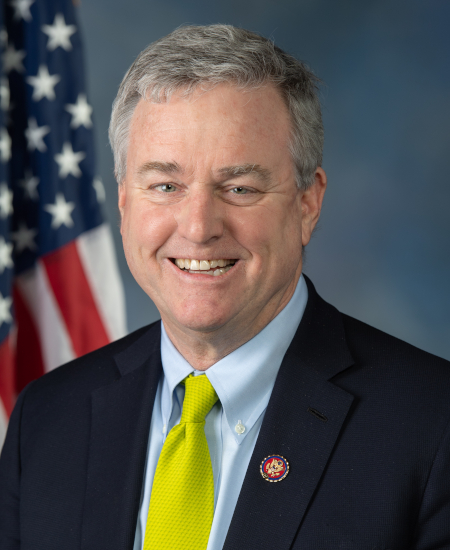
Rep. David J. Trone
Sponsored bills
Maddy summaryThe PLAN for School Safety Act of 2023 creates a federal program to fund State and regional centers that help schools develop and improve individualized safety plans. These centers, established by eligible entities like state education agencies or Tribal organizations, provide tailored consulting on school safety, mental health, and violence prevention using research-backed methods. The program requires centers to cover 5% of activity costs and prioritizes support for schools in rural, Tribal, or low-resourced communities. Annual reports to Congress will track implementation progress, effectiveness, and how centers assist schools in accessing funding for safety initiatives.
Maddy summaryThe Workers POWER Act (HR 6634) strengthens federal labor enforcement by expanding staffing and resources for the Department of Labor's Wage and Hour Division and Occupational Safety and Health Administration (OSHA). It creates new paid student positions (5 in Washington, DC, plus 2 per regional office), establishes child labor fellowships (5 per agency), and increases student loan repayment benefits for eligible employees. The bill also authorizes performance-based bonuses, retention incentives, and $250 million annually in grants to states to improve their labor enforcement capacity. These changes directly affect Department of Labor enforcement staff and state/local labor agencies working to address wage theft, child labor, and workplace safety violations.
Maddy summaryThe Elizabeth Dole Home Care Act of 2023 increases the expenditure cap for home- and community-based care for veterans from 65% to 100% of costs, with exceptions for certain cases based on clinical need and geographic factors. It establishes new programs including Veteran-Directed Care, which allows veterans to select and manage their own in-home care services, and Home-Based Primary Care, which provides in-home health care overseen by VA providers. The bill requires improved coordination with existing programs like the Program of All-Inclusive Care for the Elderly (PACE) and mandates a centralized website with information about available services. It specifically targets veterans who would otherwise require nursing home care or face increased risk of hospitalization, and includes provisions to address home health aide shortages through pilot programs.
Maddy summaryThe TRAIN Act creates a federal grant program to help community colleges develop career training programs in partnership with local industries. It directly affects community colleges, which would receive funding to establish or improve programs aligned with in-demand industries and occupations. The bill requires 15% of grant funds to cover supportive services like childcare, transportation, and mental health services to help participants complete training. It also mandates performance tracking to ensure programs lead to quality jobs with good wages, benefits, and career advancement opportunities. The program is funded with $110 million in 2024, increasing to $176 million by 2029.
Maddy summaryHR 6592, the Fight Book Bans Act, provides federal grants to reimburse public school districts for legal costs when they choose to keep instructional or library materials after parental objections. It directly affects school districts (covered local educational agencies) that select materials for students and handle challenges to their removal. The bill authorizes up to $100,000 per case in grants to cover attorney fees and court costs, provided the district didn’t remove the materials and wasn’t reimbursed by the state. Funding of $15 million is authorized for fiscal years 2024-2028. The grants are strictly for legal challenges to decisions not to remove materials, not for the content of the materials themselves.
Maddy summaryHR 5785 modifies the Edith Nourse Rogers STEM Scholarship for veterans and military dependents pursuing STEM degrees. It updates eligibility by adding "or graduate" to degree requirements, reduces maximum benefit periods from 60 to 45 months for undergraduate and 90 to 67.5 months for graduate study, and adds new priority criteria for beneficiaries who've used the most entitlement months or are studying STEM fields. The bill also requires veterans to exhaust all other educational benefits before using this scholarship. These changes directly affect individuals seeking STEM education benefits under the program.
Maddy summaryThis bill changes the standard for proving discrimination under federal law. Workers can now show that a protected characteristic (like age, race, sex, religion, national origin, or disability) was a motivating factor in an employment decision - even if other factors were also involved - rather than proving it was the sole cause. If a violation is found and the employer shows the same decision would have been made without the discriminatory factor, courts can only grant limited remedies like injunctive relief or attorney fees, not damages or reinstatement. This applies to claims under the Age Discrimination in Employment Act (ADEA), Title VII, the Americans with Disabilities Act (ADA), and the Rehabilitation Act, affecting workers facing discrimination and the employers they sue.
Maddy summaryHR 6576, the Full-Service Community School Expansion Act of 2023, authorizes $500 million to $1 billion annually for fiscal years 2024-2028 to expand full-service community schools. The bill directly affects public elementary and secondary schools with at least 40% of students eligible for free or reduced-price lunch or identified for improvement under federal education law. Key mechanisms include funding planning grants to develop community-wide leadership teams, implementation grants for schools to provide integrated student supports (health, mental health, housing services), expanded learning opportunities (after-school programs, career training), and family engagement activities. The bill requires schools to establish collaborative leadership structures, maintain public transparency, and ensure services complement rather than replace existing programs. This legislation aims to create school environments that address students' academic, social, emotional, and health needs through coordinated community partnerships.
Maddy summaryHR 6578 establishes a 9-member bipartisan commission to study antisemitism in the United States. The commission will investigate current manifestations of antisemitism, evaluate government efforts to combat it, and report findings and recommendations to Congress within one year. It directly affects Jewish communities by examining incidents like the 300% surge in antisemitic activity reported by the Anti-Defamation League, and impacts federal, state, and local governments through its evaluation of existing policies. The commission terminates 120 days after submitting its report, with no predetermined conclusions or interference in ongoing law enforcement.