

Maddy summary# Summary of "Protecting Communities from Plastics Act" (Title II) This comprehensive legislation addresses the environmental, health, and environmental justice impacts of plastics production and use. Key provisions include: ## Environmental Justice Protections - Requires environmental justice assessments for permits of "covered facilities" (plastics manufacturing facilities) - Mandates consultation with "fenceline communities" (communities near facilities) including: * Prompt notification in multiple languages * Public hearings with translation services * Community benefit agreements - Establishes a 45-day waiting period before approving permits after public hearings ## Regulatory Requirements - Amends Clean Air Act to establish new source performance standards for plastics facilities - Requires continuous monitoring of air emissions (benzene, nitrogen oxides, etc.) - Amends Clean Water Act to prohibit discharge of plastic pellets in wastewater - Requires financial assurance for facility closure and emergency response - Prohibits new facility permits within 5 miles of community buildings (schools, hospitals, etc.) ## Research and Monitoring - Requires study of microplastics in food (including fish, meat, fruits, vegetables) - Mandates research on microplastics in human bodies (urine, breastmilk, stool) - Establishes a pilot program to test technologies for microplastic removal - Requires inventory of plastics manufacturing and distribution ## Additional Provisions - Temporary permitting moratorium on new plastics facilities (during "temporary pause period") - Requires listing of discarded polyvinyl chloride as hazardous waste - Limits National Recycling Strategy to exclude chemical recycling technologies - Creates grants to reduce single-use plastics in agricultural packaging - Requires biodegradable alternatives to plastic weed barriers The legislation aims to address the disproportionate environmental and health impacts of plastics production on vulnerable communities while establishing comprehensive regulatory frameworks for plastics manufacturing and disposal.
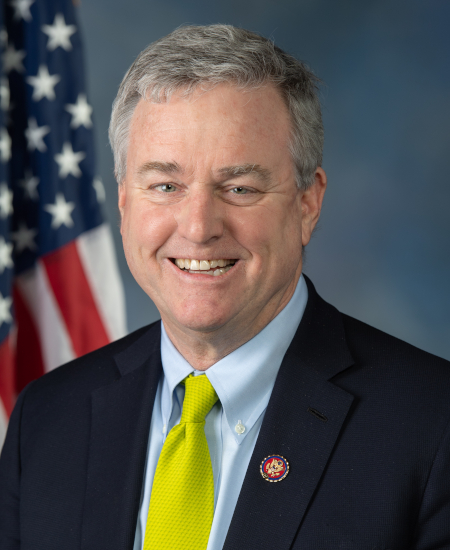
Rep. David J. Trone
Sponsored bills
Maddy summaryThis resolution commemorates the 60th anniversary of President Johnson's 1964 War on Poverty declaration and acknowledges its historical achievements, such as creating Medicare, Medicaid, and SNAP, alongside its shortcomings. It specifically notes the War on Poverty's failure to adequately address fair employment, workforce preparation, and racial disparities in poverty, while recognizing that current antipoverty policies have not adapted to today's challenges. The resolution is purely symbolic, with no new policy requirements, and urges continued efforts to address poverty through existing frameworks.
Maddy summaryThis bill creates a federal grant program to fund high-quality tutoring in schools with teacher shortages (called "hard-to-staff" or "high-need" schools). Local groups (like school districts, colleges, and community partners) apply for competitive grants to hire and train tutors - such as education students, recent graduates, or certified educators - to provide small-group tutoring aligned with school curriculum, with 85% of funds going directly to student support (e.g., tutor stipends, materials, meals). It prohibits using funds to replace teachers and prioritizes tutors from minority-serving colleges or education programs. The program authorizes $500 million over three years.
Maddy summaryThis bill restores visa eligibility for immigrants who had diversity visas allocated for fiscal years 2017-2022 but were denied entry due to specific travel restrictions (like Executive Orders 13769/13780 or related proclamations) or pandemic-related delays. The State Department must notify affected individuals within 90 days of the bill’s enactment, giving them one year to confirm they wish to proceed with their visa applications. Unused visas from those years can be reallocated without counting against current annual limits, and applicants who fail to respond or are denied for standard reasons (like education requirements) lose eligibility. The policy directly affects individuals impacted by these specific past barriers to immigration.
Maddy summaryHRES 962 is a ceremonial resolution honoring Reverend Dr. Martin Luther King, Jr.'s legacy, specifically celebrating his 95th birthday on January 15, 2024. It symbolically affirms his teachings by condemning hate, discrimination, and prejudice against Black Americans, Indigenous people, Jewish, Asian-American/Pacific Islander, Muslim, Hispanic/Latino communities, and LGBTQ+ individuals. The resolution does not create new laws or affect any policies - it solely expresses the House's support for Dr. King's values of diversity, tolerance, and equality through non-binding statements. As a symbolic gesture, it has no legal effect or direct impact on any group or individual.
Maddy summaryHRES 963 is a symbolic resolution honoring Korean American Day, which commemorates the January 13, 1903 arrival of the first large wave of Korean immigrants to the U.S. It recognizes Korean Americans' contributions to U.S. society, including their economic, cultural, and military impacts, and marks the 121st anniversary of this historic migration. The resolution urges all Americans to observe Korean American Day to appreciate these contributions. As a commemorative measure, it does not create new policies or affect specific groups beyond this ceremonial recognition.
Maddy summaryHR 6963, the Pediatric Cancer Drug Supply Act of 2024, creates a federal pilot program to prevent shortages of essential pediatric cancer drugs. The Secretary of Health and Human Services will enter agreements with manufacturers to maintain a 6-month reserve supply of each covered drug - defined as drugs on a list developed by the Secretary that treat pediatric cancer and meet specific criteria - held in the U.S. by manufacturers. Manufacturers must store extra inventory beyond normal levels, ensure drugs have over a year of shelf life, and allow the government to audit compliance. During shortages, the Secretary can order these reserves distributed to patients, with recipients paying the government's purchase price to replenish the supply. The program is funded with $500 million for fiscal year 2024.
CONtinuity in Necessary Evaluative Crisis Treatment Act of 2024 or the CONNECT Act of 2024 This bill requires the Substance Abuse and Mental Health Services Administration to award grants to certain crisis centers for providing follow-up care to individuals who receive suicide prevention and crisis intervention services.
This bill allows certain small businesses a new tax credit for 10% of their qualified drug threat mitigation research expenses. Such expenses include research into mitigating or treating the effects of specified drugs, including any emerging drugs, fentanyl, a fentanyl-related substance, or methamphetamine.
Maddy summaryThe BOP Release Card ID Act of 2024 requires the Bureau of Prisons to issue a photo identification card meeting federal standards to U.S. citizen prisoners released from federal custody. The card must be valid for at least 18 months and accepted by federal programs like Social Security, Medicaid, Medicare, and SNAP, as well as for entry into federal buildings. The bill also directs the Attorney General to provide guidance to states on issuing similar cards for state prisoners, with annual reports to Congress on progress.