

Maddy summaryThe CROWN Act of 2024 prohibits discrimination based on hair texture or style commonly associated with race or national origin, such as braids, locs, cornrows, twists, or afros. It directly affects individuals - particularly people of African descent - who face workplace, school, housing, or public accommodation discrimination due to natural or protective hairstyles. The bill expands existing federal civil rights laws (like Title VI, the Fair Housing Act, and Title VII) to explicitly include hair-based discrimination, requiring compliance in federally funded programs, housing, employment, and public spaces. It clarifies that grooming policies targeting these hairstyles violate anti-discrimination protections without creating new legal standards.
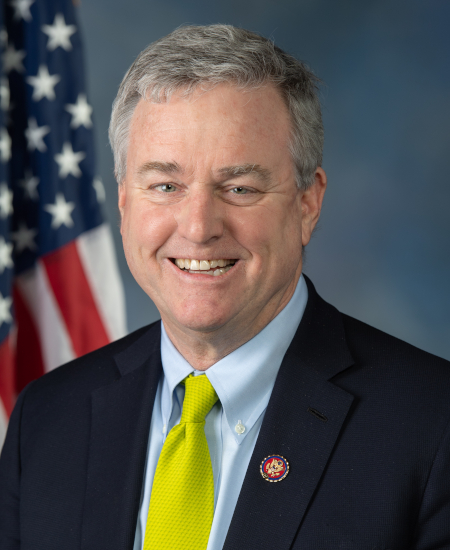
Rep. David J. Trone
Sponsored bills
Maddy summaryHR 8188, the Stealthing Act of 2024, creates a federal civil remedy allowing victims of non-consensual condom or sexual barrier removal (known as "stealthing") to sue perpetrators in court. The bill directly affects individuals who experience this non-consensual act, which the bill defines as removing a condom or barrier without consent during sexual contact. Key provisions establish federal jurisdiction for such civil actions when the conduct involves interstate commerce, payments, communications, or occurs within U.S. territories. Victims may seek compensatory damages, punitive damages, and other court-ordered relief. This legislation does not criminalize the act but provides a legal pathway for victims to pursue civil remedies under specific federal jurisdictional conditions.
Maddy summaryThe Captive Primate Safety Act prohibits the import, export, sale, transport, breeding, or possession of certain nonhuman primates - including chimpanzees, gorillas, monkeys, and their hybrids - in interstate or foreign commerce. It directly affects private owners, breeders, and commercial traders of these animals, with limited exceptions for pre-enactment animals (requiring registration with the U.S. Fish and Wildlife Service and restrictions on breeding/sale) and registered research facilities. The law amends the Lacey Act to add these primates to prohibited species lists, effective upon enactment, with regulations to be issued within 180 days. Enforcement remains active even if regulations are delayed, ensuring immediate prohibitions on commercial trade and possession.
Maddy summaryHRES 1166 is a symbolic resolution expressing congressional support for Earth Day. It urges the President to issue an Earth Day proclamation, encourages Americans to take specific environmental actions (like addressing pollution and supporting indigenous stewardship), and calls for global efforts to advance climate goals. The resolution does not create new laws or directly affect any groups - it serves as a non-binding statement of support for environmental action. It references historical environmental milestones but focuses on reaffirming the need for year-round climate and environmental protection efforts.
Maddy summaryHR 4389, the Migratory Birds of the Americas Conservation Enhancements Act of 2023, amends the Neotropical Migratory Bird Conservation Act to increase federal funding for conservation projects from 25% to 33.3% of eligible costs. It extends the authorization period for funding through 2028 and requires the Secretary to submit a report to Congress on collaboration efforts with partners. This bill directly affects conservation organizations, state governments, and local groups that receive federal funds to protect migratory birds traveling between the U.S. and the Neotropics (Central and South America, Caribbean). The changes provide more stable financial support and accountability for existing bird conservation programs.
Maddy summaryThis non-binding resolution supports designating April 2024 as "Second Chance Month" to raise public awareness about barriers (like employment restrictions, housing limitations, and educational barriers) that individuals with criminal records face after incarceration. It calls on communities, employers, and organizations to take action to help these individuals reintegrate successfully and become productive members of society. The resolution emphasizes that these "collateral consequences" often persist even after individuals have served their time, hindering their ability to secure jobs, housing, and education.
Maddy summaryThis bill creates a national network of State judicial threat intelligence and resource centers to enhance safety for State and local judges and court staff. It directs the State Justice Institute to fund eligible nonprofits with expertise in judicial security to establish these centers, which will provide safety training, conduct security assessments, monitor threats, coordinate with law enforcement, and develop standardized reporting systems. Centers must also create a shared database for tracking threats and incidents across jurisdictions. The bill requires an annual report to Congress detailing the number and types of threats faced by judges and court staff. It directly affects State and local courts, judges, and court personnel by strengthening security protocols and information sharing.
Maddy summaryThis bill requires the EPA to establish new water quality standards and discharge limits for PFAS chemicals (like "forever chemicals") within strict deadlines. It mandates the EPA to publish human health criteria by 2027 and set industry-specific discharge limits for targeted sectors (e.g., chemical manufacturing, electroplating, landfills) by 2025-2027. The bill also requires immediate monitoring of PFAS discharges from these industries and wastewater treatment facilities, and allocates $200 million annually (2024-2028) to help treatment works address PFAS contamination. These changes directly affect regulated industries, wastewater systems, and communities near water sources contaminated by PFAS.
Maddy summaryHR 8061, the Crime Victims Fund Stabilization Act of 2024, ensures stable funding for the Crime Victims Fund by directing certain False Claims Act collections into it from 2024 through 2029. Specifically, it adds a provision requiring that amounts collected under the False Claims Act (excluding whistleblower rewards and government reimbursement for damages) be deposited into the fund during this period. This directly affects crime victims who rely on the fund for services like counseling and emergency aid, as it prevents potential shortfalls in funding. The bill makes a concrete policy change by redirecting specific federal civil penalties into the fund, rather than altering the fund's existing purposes or eligibility rules.
Maddy summaryThis bill establishes a federal grant program to expand digital skills training for workers in in-demand industries. It directly affects states, workforce systems, and individuals with barriers to employment - particularly those with low digital literacy (high school diploma or less, low earnings, or limited English proficiency). States receive funding based on population metrics to support digital skills training through subgrants to local providers, prioritizing workers with employment barriers. The program requires detailed reporting on outcomes, including disaggregated data by demographics, and mandates public sharing of results. It aims to build "digitally resilient" systems and individuals by aligning training with industry needs and existing state digital equity plans.